Anthropic’s move to embed Claude directly into Slack is the clearest sign yet that enterprise AI is shifting from standalone chatbots to tools that sit inside the software workers already use every day.
Claude in Slack Signals Workflow AI Shift
That matters because the next phase of the AI market is less about showing what models can do and more about whether they can become unavoidable inside corporate workflows. Putting Claude into Slack targets a high-frequency collaboration layer where employees exchange decisions, files and approvals, making the assistant more useful and harder to ignore than a separate web app. For Anthropic, it is a distribution play as much as a product launch: if AI is where the work happens, then the winner may be the model that lives inside the workstream.
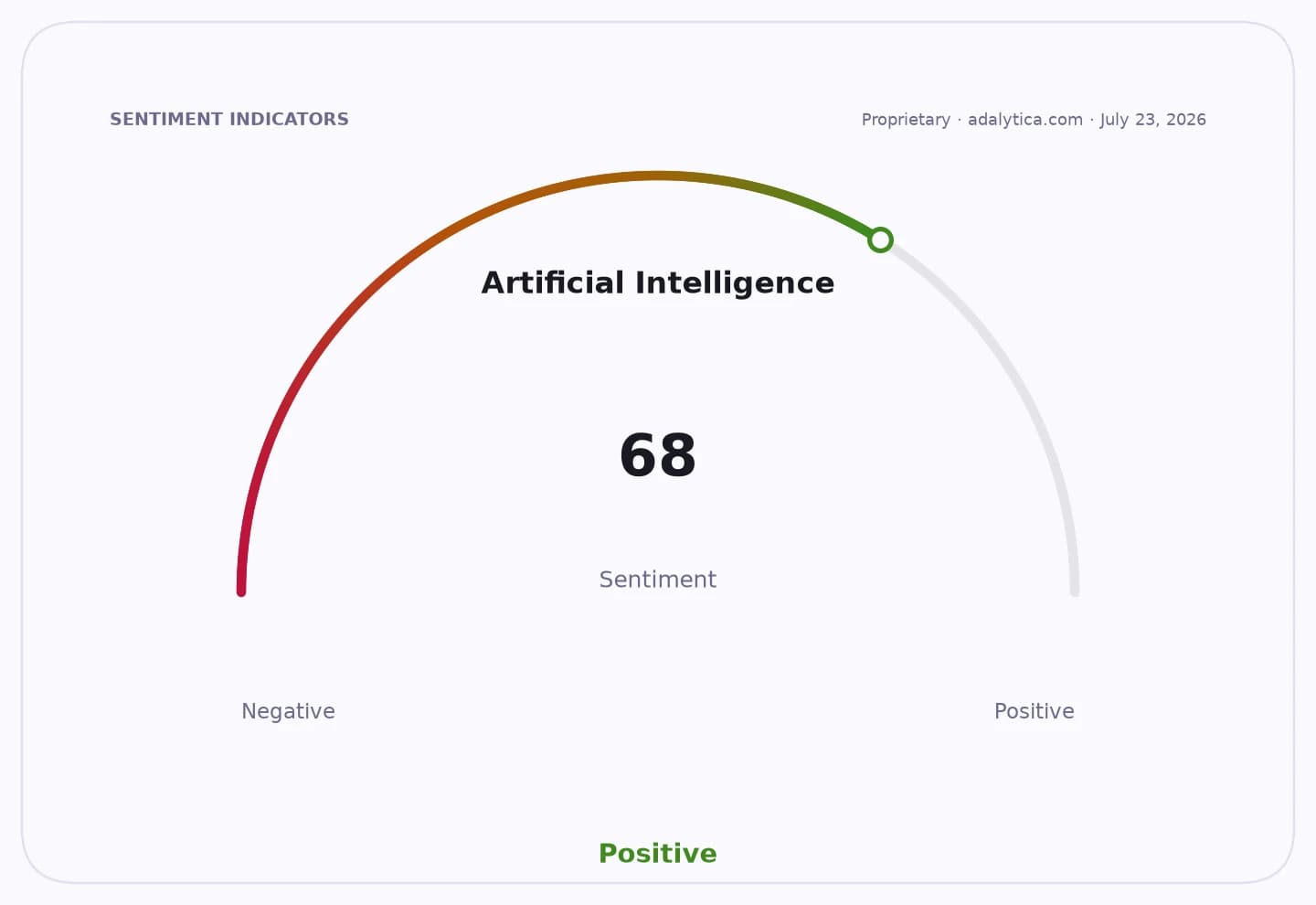
Sentiment IndicatorsⓘProprietary · adalytica.com · July 23, 2026
This is a snapshot — live sentiment, awareness and momentum for 130+ markets update continuously in the dashboard.Open AlphaPulse
The development also intensifies competition with Microsoft, whose own AI strategy is anchored in bundling Copilot across Office, Teams and Azure. The two approaches reflect the same economic logic: enterprise buyers want productivity gains without forcing staff to change behavior. Slack, owned by Salesforce, has long been a central communications hub for desk workers, so an embedded assistant could help automate summaries, draft responses, surface context and reduce time spent searching through channel history. If adoption is real, the payoff is higher employee efficiency and lower friction in knowledge work — benefits that are increasingly central to corporate AI spending decisions.
For investors, the implication is that enterprise AI is moving into a more commercial stage. Early enthusiasm was driven by model capability; now the focus is on distribution, retention and monetization. Anthropic’s integration strategy suggests that the companies controlling the day-to-day workflow may capture more value than those offering generic AI access. That is why partnerships with collaboration software, cloud infrastructure and systems integrators are becoming as important as model benchmarks. TCS’s new industrial AI lab in Bengaluru and other enterprise automation tie-ups point to the same trend: businesses are no longer asking whether to test AI, but how to operationalize it at scale.
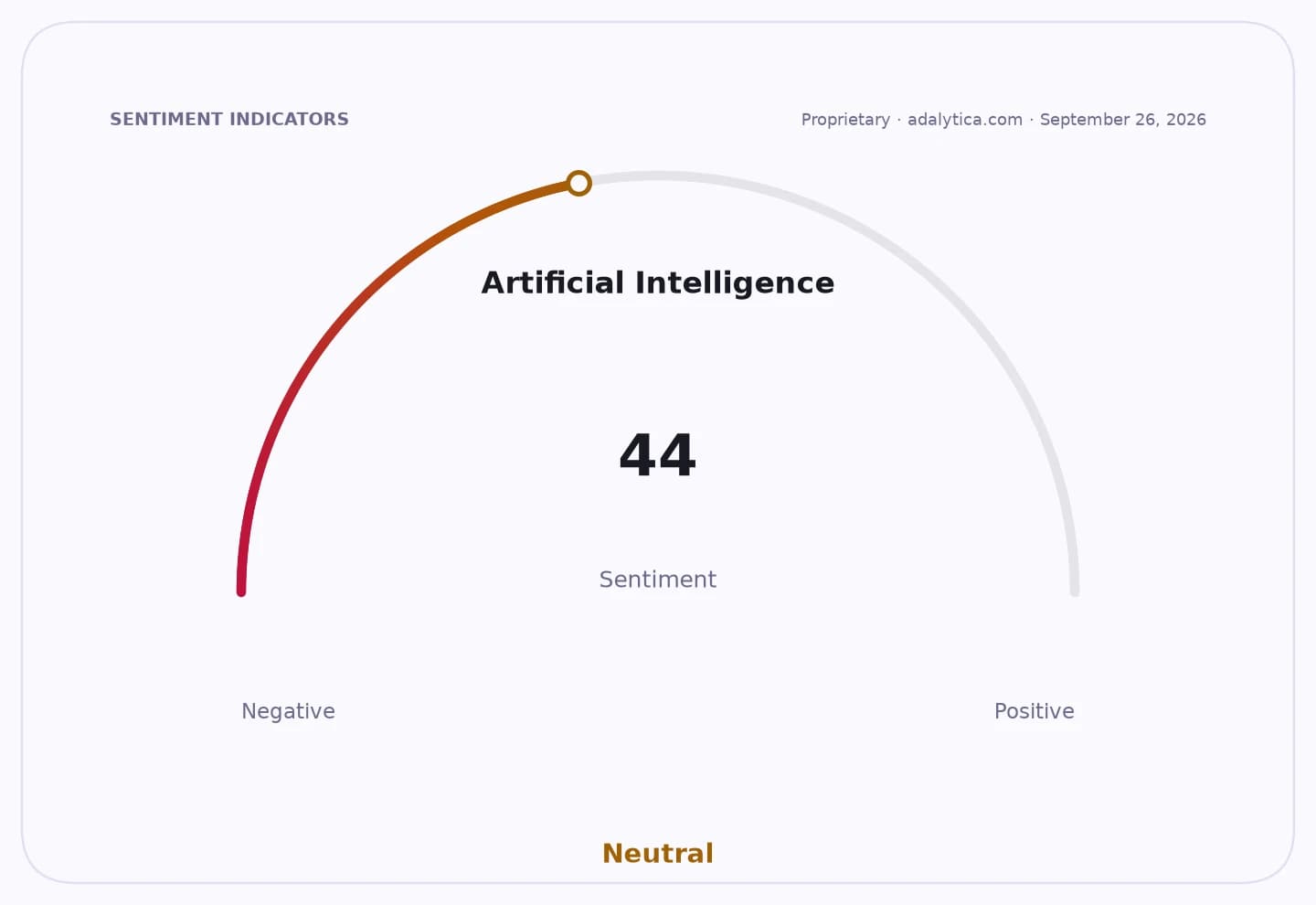
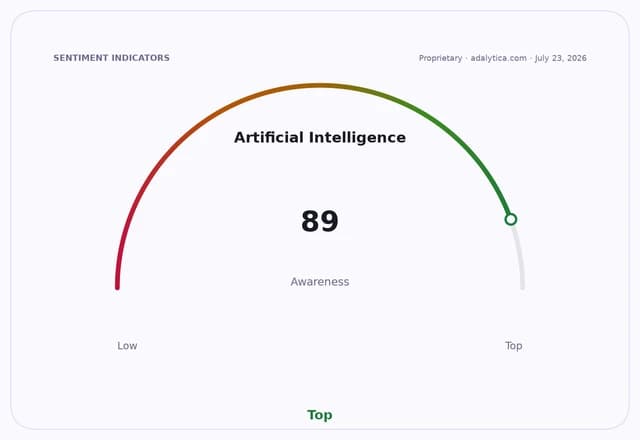
The market backdrop remains mixed. Technical readings on large-cap software names have weakened in recent sessions, with Salesforce, Microsoft and Alphabet all under pressure, even as broader AI sentiment remains elevated on Adalytica’s measures. That disconnect suggests investors are still sorting winners from beneficiaries: model vendors, platform owners and software incumbents may not all capture the same economics from the AI rollout. The near-term bull case is that embedded assistants accelerate seat expansion and raise switching costs. The bear case is that customers remain cautious on cost, governance and trust, slowing monetization even as usage rises.
What to watch next is whether Slack users treat Claude as a productivity layer or just another feature. If usage spreads from trials into routine work, it would strengthen the case that enterprise AI is becoming embedded infrastructure rather than a novelty. If not, the launch will be another reminder that in enterprise software, distribution matters — but habits matter more.
| Entity | Gains | Losses |
|---|---|---|
| Anthropic | ▲Enterprise distribution | ▼Standalone chatbot positioning |
| Slack/Salesforce | ▲Higher platform stickiness | ▼Channel commoditization risk |
| Microsoft | ▲Validation of AI workflow demand | ▼Copilot faces deeper competition |
| Enterprises | ▲Faster knowledge work | ▼Added governance and cost burden |