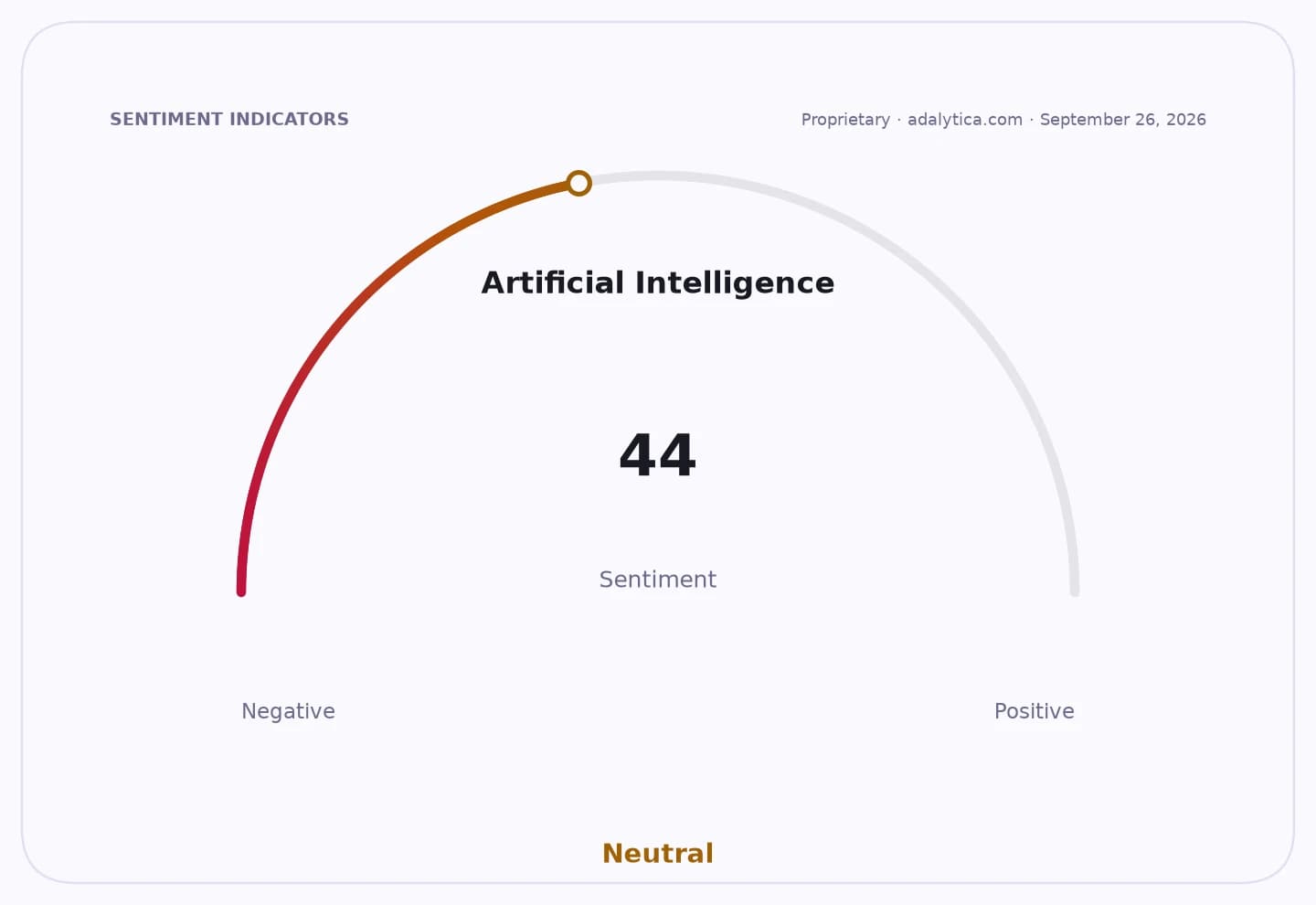
Coal India’s latest profit miss underscores a basic but important problem for the world’s biggest coal miner: output softness and rising costs are squeezing earnings even as the stock trades well above its longer-term trend. For investors, the key message is that the company’s cash-generation story is increasingly dependent on volumes holding up and operating costs staying contained, both of which are under pressure.
Coal India Earnings Pressure Raises De-Rating Risk
The earnings shortfall matters because Coal India remains a bellwether for India’s power-fuel economics and a major cash source for the state. When volumes weaken, the company loses operating leverage quickly, and higher costs then bite harder because the business is built on thin incremental margins. That combination can also limit dividend headroom, which is a major part of the investment case for a government-controlled miner.
The broader backdrop is not especially supportive. Industry data and sector reporting point to mixed coal-market conditions globally, with weak coking coal demand in parts of Asia and uneven export trends. At the same time, India’s coal system still faces structural demand from power generation, which keeps the medium-term floor under the sector. But that does not shield Coal India from quarterly earnings volatility if production, dispatches or realizations disappoint.
The stock’s recent technical setup suggests the market had already priced in a degree of optimism. Coal India’s shares have been trading above both the 50-day and 200-day moving averages, while momentum indicators had pointed to an extended run-up before the latest pullback. That leaves the company vulnerable to a de-rating if investors conclude that profit growth is flattening rather than expanding.
For bulls, the argument is that Coal India still benefits from entrenched domestic demand, state backing and limited competitive threat in its core market. Any improvement in dispatches, pricing or cost control could quickly restore earnings momentum. For bears, the concern is that volume growth is harder to deliver than the market assumes, while wage, logistics and input-cost pressures may keep margins capped.
The result is a reminder that Coal India’s valuation is still tightly linked to execution, not just to the persistence of coal demand. The next catalyst will be whether management can show that production and offtake are stabilizing enough to offset inflation in operating costs. If not, the market may start treating the stock less as a steady yield play and more as a cyclical name with fading earnings leverage.
| Entity | Gains | Losses |
|---|---|---|
| Coal India management | ▲if volumes recover | ▼from margin pressure |
| Dividend-focused shareholders | ▲if cash flow holds | ▼if earnings stay weak |
| Indian power buyers | ▲lower fuel costs if supply improves | ▼higher costs if coal tightens |
| Coal India bears | ▲downside thesis validated | ▼if output rebounds |