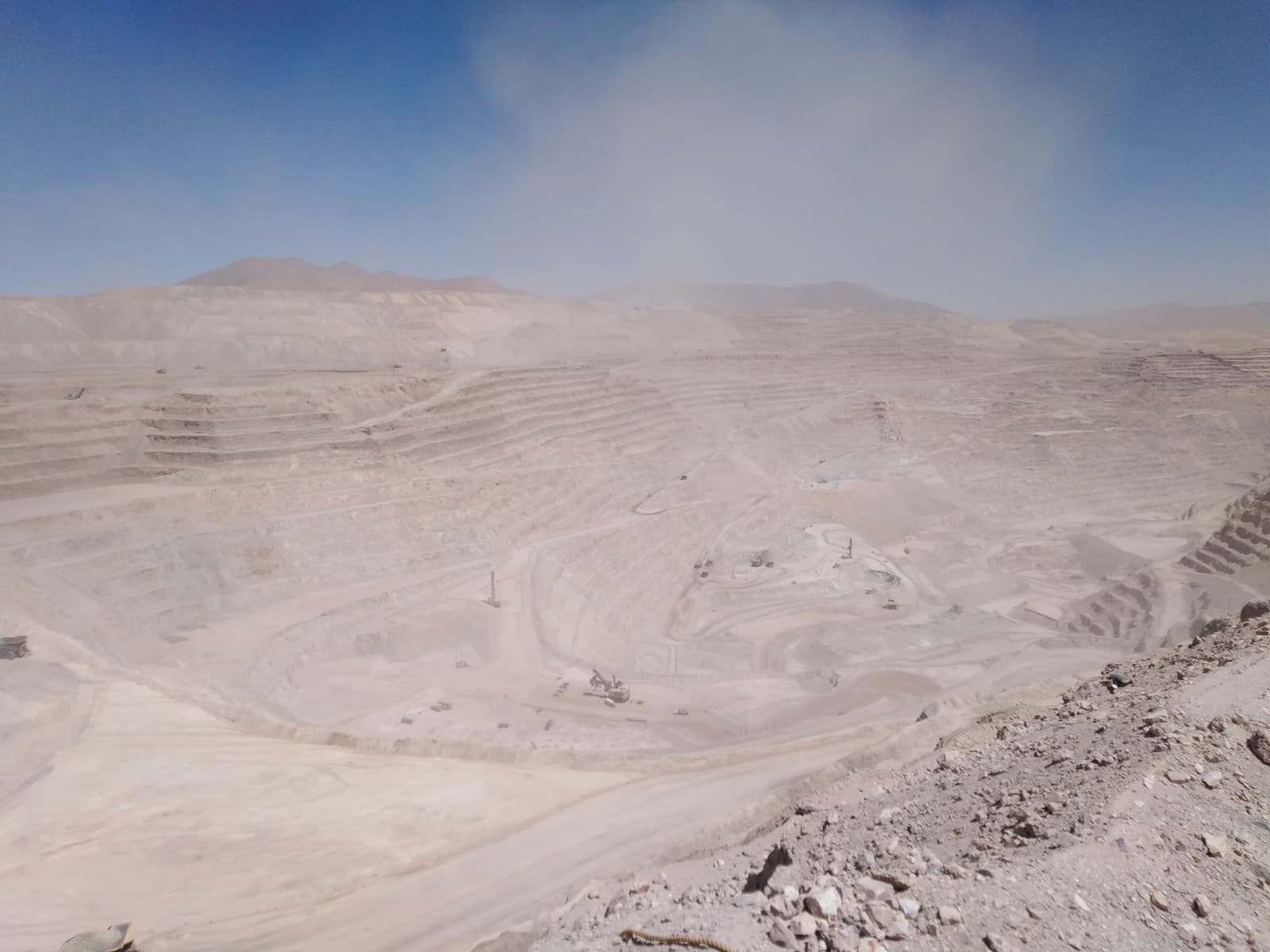
Codelco said its copper production figures were overstated by 42,100 tons across 2024 and 2025, a disclosure that deepens concerns over governance at the world’s largest copper producer and points to a possible $120 million to $140 million hit to results from falsely booked inventory.
Codelco says copper output was overstated by 42,100 tons
The update matters because the issue goes beyond a bookkeeping error. Codelco is not only dealing with a reputational blow but also with a balance-sheet and incentive problem: the inflated output numbers increased reported inventories by about 17,000 tons, distorted employee bonuses and forced the company to consider clawing back overpayments. For a state-owned miner that sits at the center of Chile’s fiscal revenue base and global copper supply, the episode raises questions about internal controls at a time when copper remains strategically important to electrification, power grids and data-center investment.
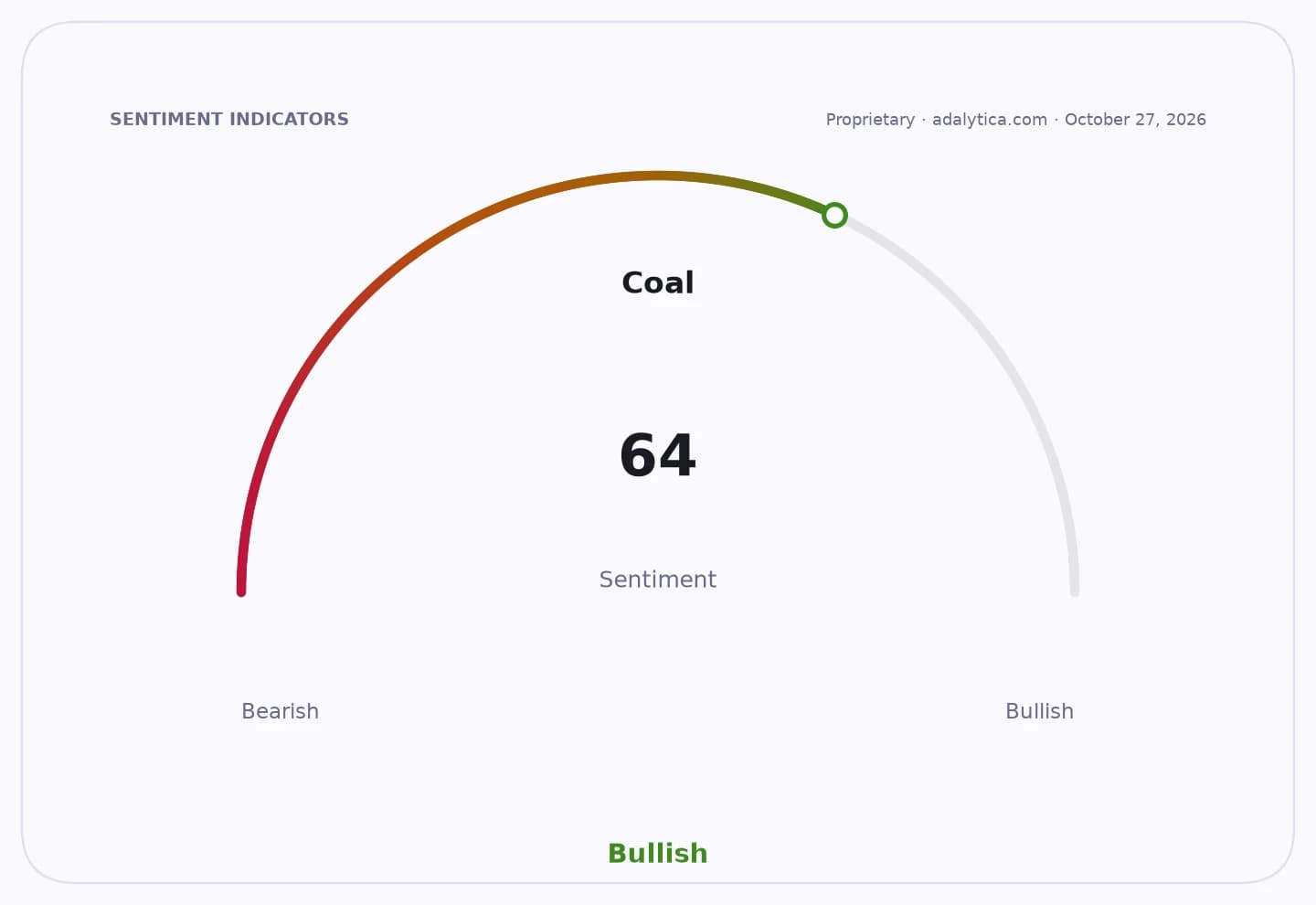
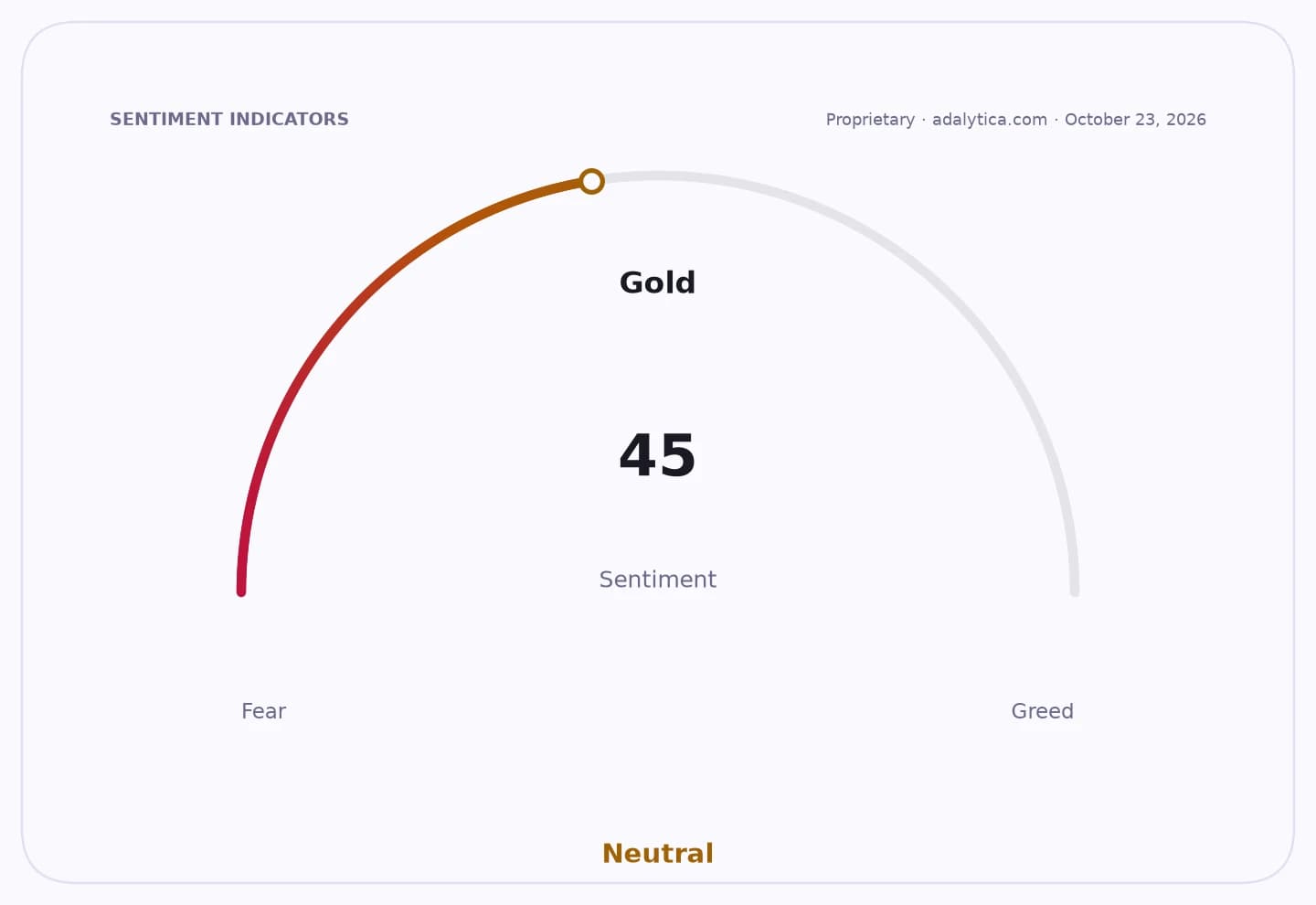
Sentiment Indicators
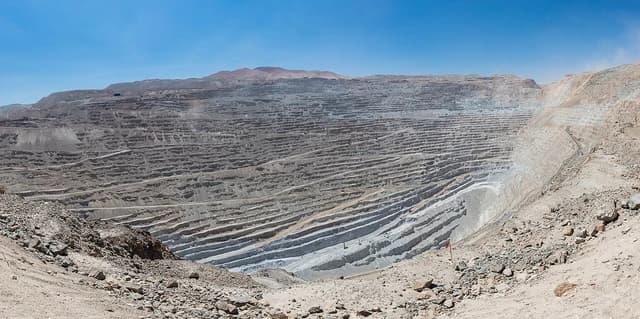
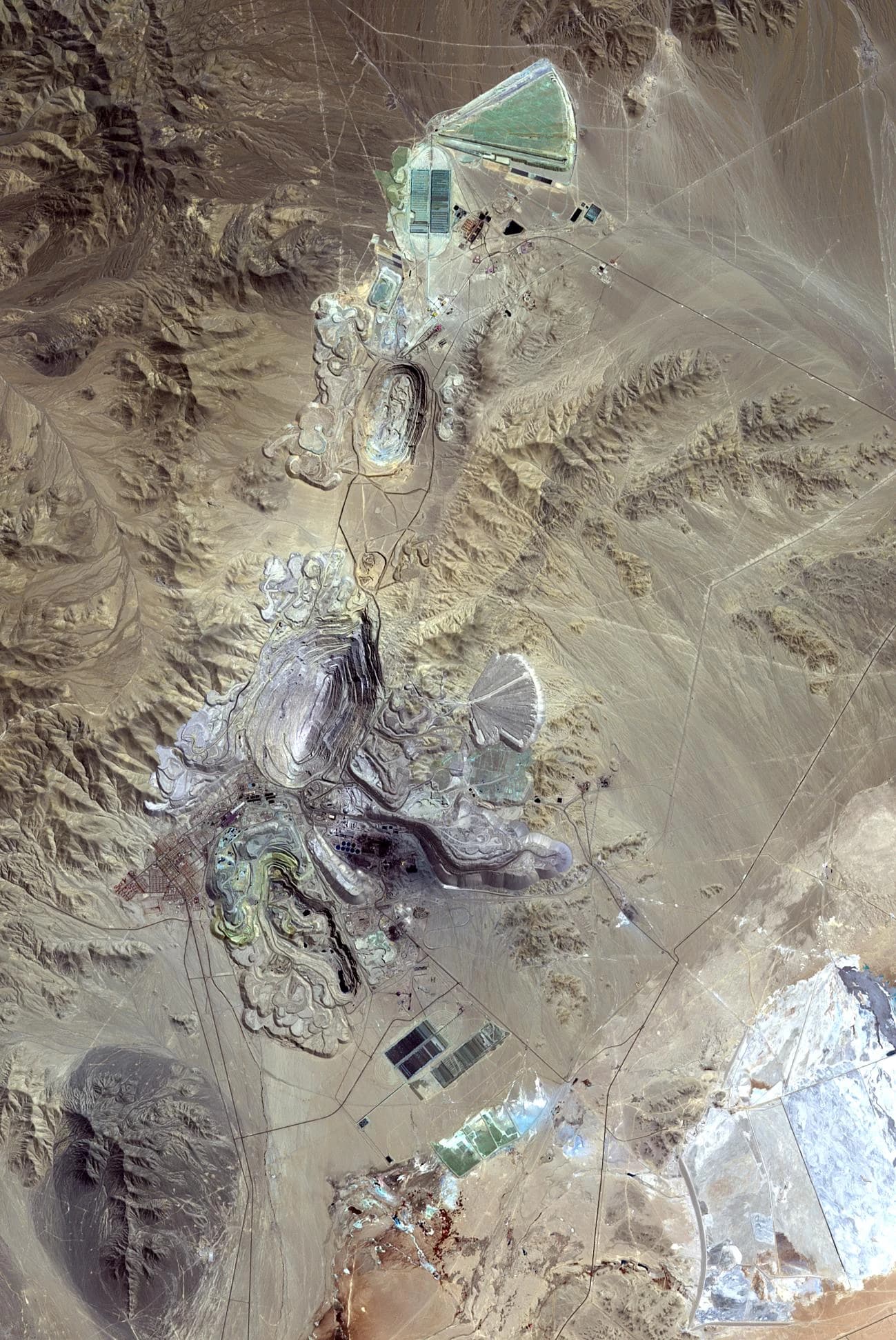
Bernardo Fontaine, Codelco’s chairman, said preliminary reviews show 2024 production was inflated by 24,000 tons and 2025 by 18,100 tons. That is materially larger than the 26,875-ton excess initially identified earlier this year at Chuquicamata and Ministro Hales, suggesting the problem was broader than first understood. Fontaine also said the company had removed eight executives on Oct. 29 and that other former employees may still face responsibility under the audits.
The financial consequence is likely to land in the income statement through an inventory write-down, with the company and its external auditor still refining the final figure. A charge of $120 million to $140 million would be manageable relative to Codelco’s scale, but the larger cost may be slower-moving: higher funding costs, more scrutiny from the state and counterparties, and a tougher path to restoring credibility with investors, lenders and suppliers.
The scandal also has implications for Chile’s copper sector at a time when peers are already under pressure to lift output reliably. Investors in copper producers care about this because operational transparency affects valuation, capital allocation and the reliability of guidance. In an industry where small changes in tonnage can move earnings sharply, misreported volumes can distort not just bonuses but also market expectations for supply.
Shares of U.S.-listed copper miners have been volatile, and the broader sector remains sensitive to confidence in supply growth. Freeport-McMoRan, Southern Copper and the copper exchange-traded fund have all traded with elevated volatility this year as the market weighs stronger prices against operational and political risks. Against that backdrop, Codelco’s admission reinforces a key investor theme: in copper, governance is becoming as important as geology.
For Codelco, the immediate task is internal repair. The longer-term test is whether the company can show that tighter controls, external audits from KPMG and EY, and disciplinary action are enough to prevent a repeat. If it succeeds, the damage may stay contained to one bad year and a one-off charge. If not, the episode could weigh on the state miner’s standing just as global demand for copper is expected to remain structurally strong.
| Entity | Gains | Losses |
|---|---|---|
| Codelco reform team | ▲Tighter controls | ▼Short-term credibility |
| Chilean state/Codelco | ▲Chance to reset governance | ▼Reputational damage |
| Copper peers | ▲Relative credibility | ▼Less direct scrutiny? |
| Employees tied to bonuses | ▲Clawback avoidance if disputed | ▼Bonus repayments |