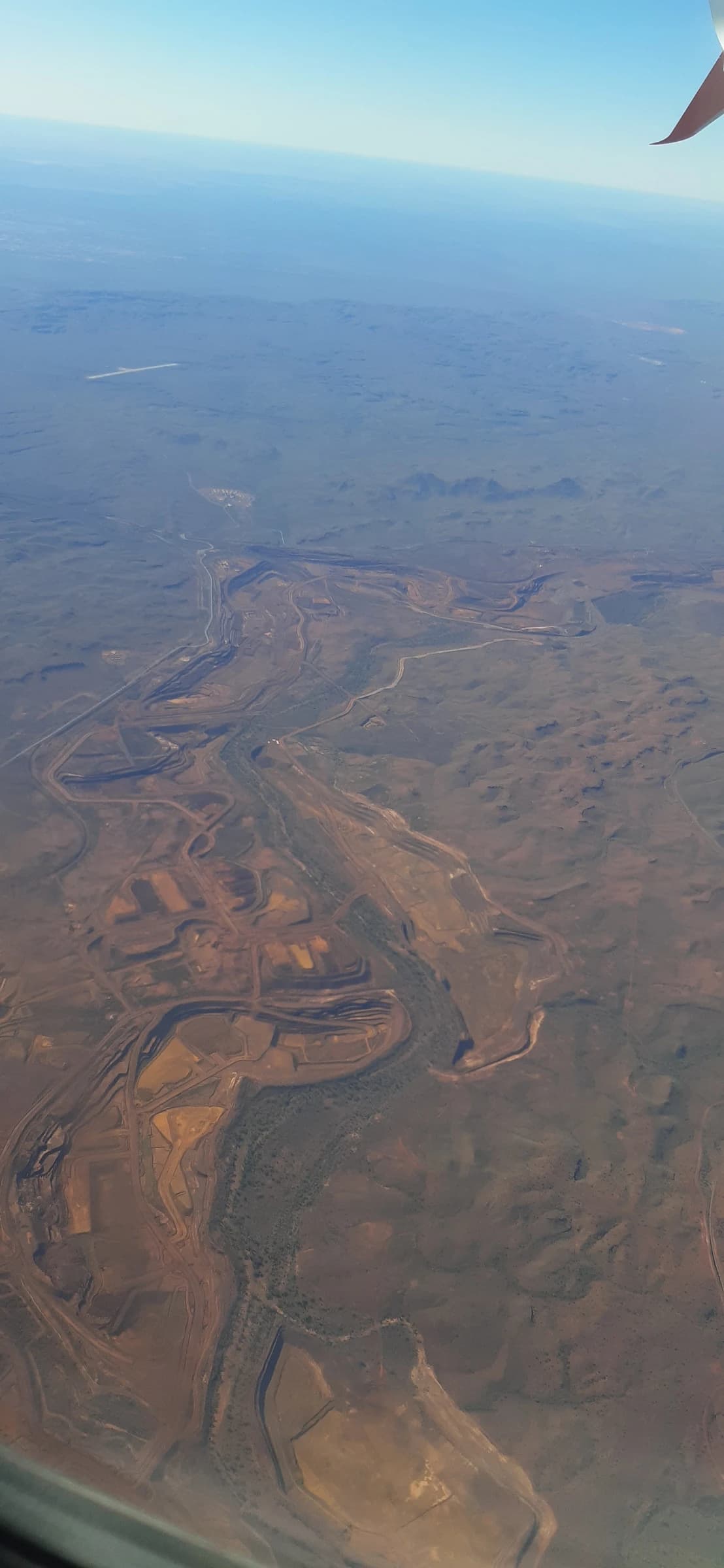
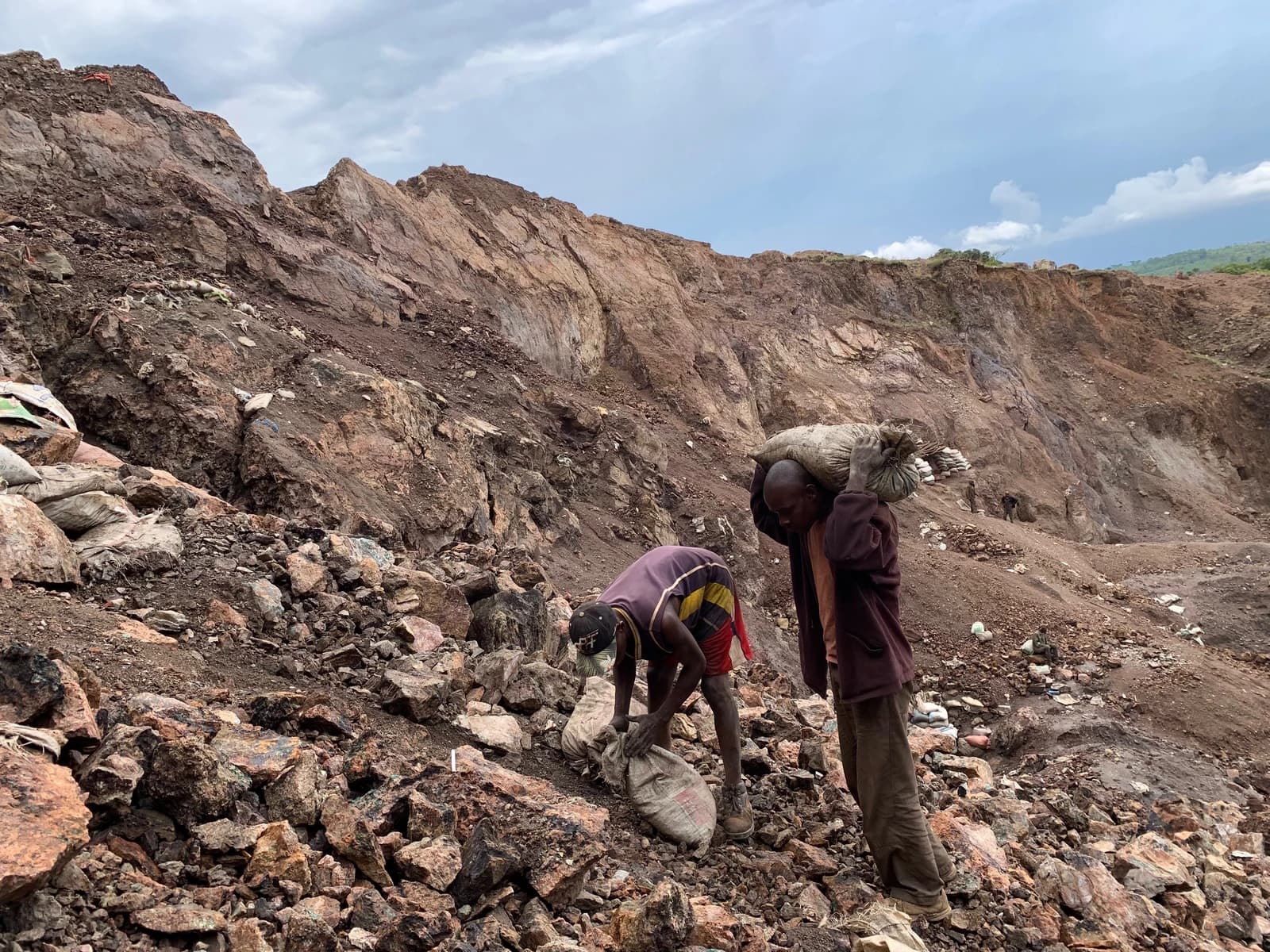
BHP Group is heading into its annual meeting under pressure from two sides: slipping copper output at the miner’s growth engine and renewed scrutiny of its coal business from activists and shareholders.
BHP Copper Output and Coal Pressure Ahead of AGM
Coal
That combination matters because copper has become central to BHP’s investment case as the company leans on the metal for long-term production growth, while coal remains a politically and reputationally charged cash generator. Investors are being asked to back a strategy that depends on delivering higher copper volumes through the next decade even as operational setbacks and climate opposition test execution.
Sentiment Indicators
BHP told shareholders this week it still expects compound annual production growth of about 3% to 4% through 2035, including roughly 5% annual growth in copper, underscoring how much of the company’s valuation is tied to that metal. The pitch comes after a difficult quarter in which copper output was hit by disruptions at Escondida in Chile, the world’s biggest copper mine, following severe weather and a fatal accident.
The company said on Oct. 21 that there was no change to production guidance, but the miss at Escondida adds to concerns about whether BHP can hit its long-term targets on schedule. Copper is one of the clearest beneficiaries of electrification and grid spending, so any sign of operational fragility in BHP’s biggest copper asset can move the stock and influence sentiment toward the broader diversified miners.
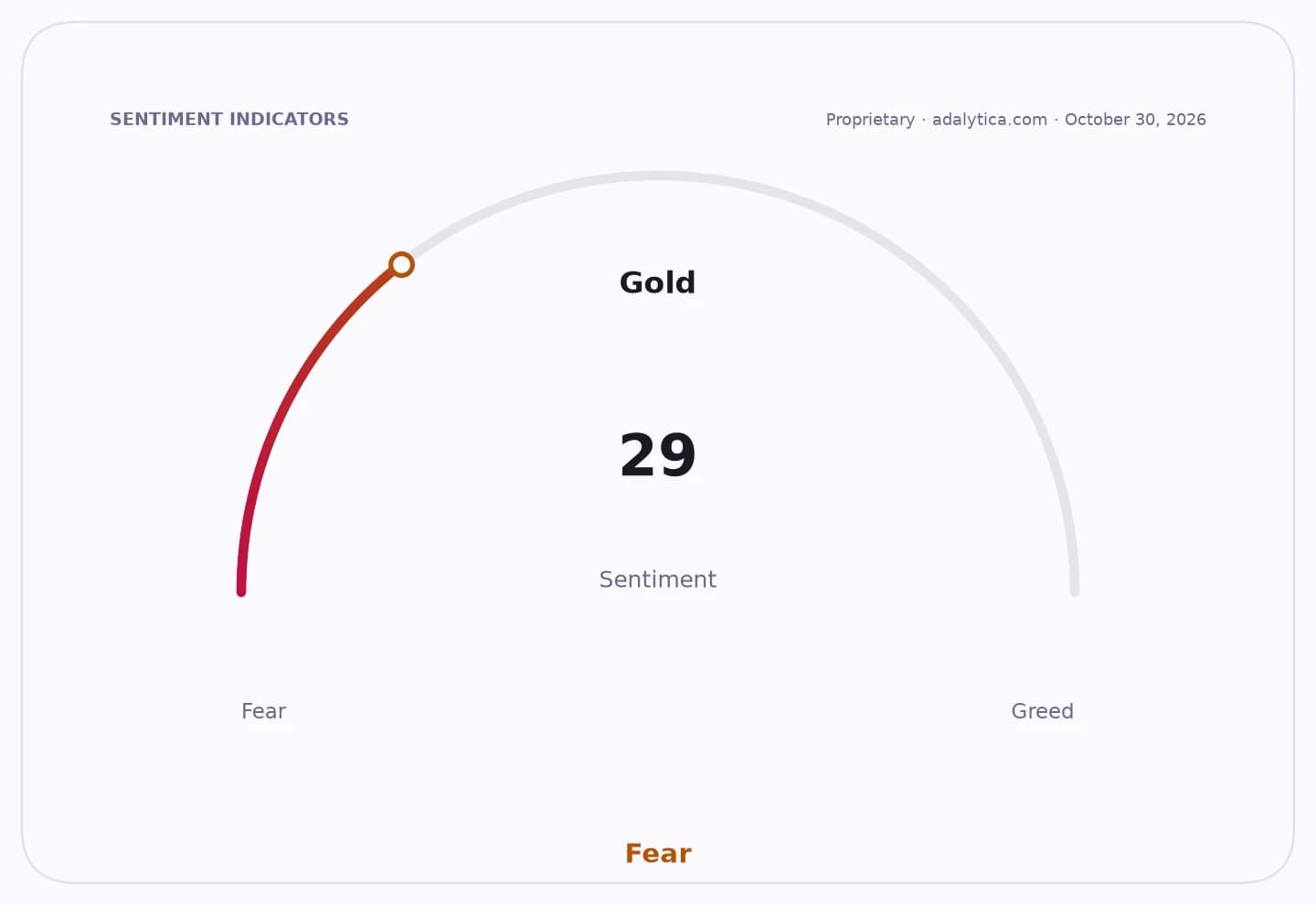
Coal — 30-day sentimentadalytica.com
Explore this data interactively — full history, time series and cross-market comparisons.
The shares have already been volatile. BHP ended at 82.39 on Oct. 27, still below its 50-day moving average of 86.93 and well under its 200-day average of 79.56, after a sharp pullback from a recent peak near 96.58 in late August. The stock’s RSI of 41.7 suggests it has recovered from oversold levels, but momentum remains softer than earlier in the year.
Rio Tinto and Freeport-McMoRan are also in focus as copper investors assess whether BHP’s issues are company-specific or part of a wider production challenge across the sector. For BHP, the immediate test is whether it can steady Escondida and convince investors that its copper growth plan is still intact while defending the economics of coal.
The AGM is likely to keep pressure on management over capital allocation, safety and climate exposure, with the next catalyst coming from the company’s progress on copper volumes and any fresh shareholder pushback over coal assets.
| Entity | Gains | Losses |
|---|---|---|
| BHP copper growth story | ▲Long-term growth case | ▼Near-term execution credibility |
| Coal activists / ESG-focused holders | ▲Greater pressure on coal | ▼Limited leverage if guidance holds |
| Diversified miners with stable copper output | ▲Relative appeal | ▼Scrutiny if BHP steadies |
| BHP shareholders | ▲Clearer strategy if delivered | ▼Volatility from production misses |