Chile’s lawmakers have turned Codelco’s inflated production figures into a governance problem with real economic stakes, pressing for executives to be held responsible for reputational damage at the state-owned copper giant just as the country’s mining output is being revised lower.
Chile probes Codelco over production figures
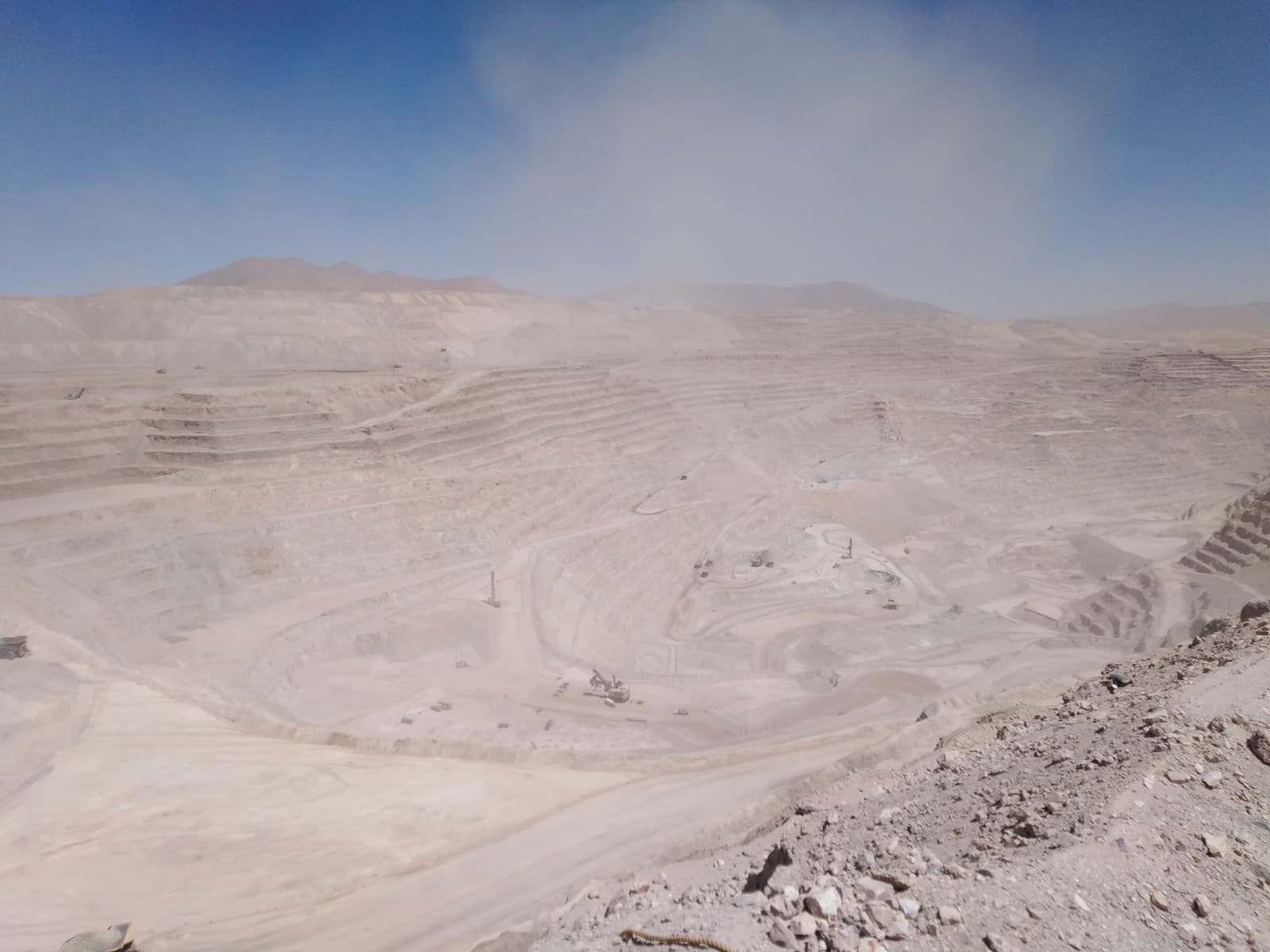
The commission investigating the 2025 figures unanimously approved a 13-point report saying the company’s reputation has been harmed and that the damage should be redressed. That matters because Codelco is not just another miner: it is Chile’s flagship copper producer, a fiscal pillar for the state and a bellwether for global supply. Any erosion of trust around its reporting raises questions about oversight, production planning and the reliability of a sector that is central to Chilean exports and government revenue.
Sentiment Indicators
The timing is particularly awkward for a market already wrestling with tighter copper supply and volatile production expectations. Chile’s finance minister said mining output could fall 8% to 9% this year, deeper than the 7% decline previously flagged. For investors, that combination of weaker national output and scrutiny over Codelco’s disclosures reinforces the risk that supply from the world’s biggest copper-producing country may be less dependable than headline numbers suggest.
The parliamentary panel’s report also sharpened criticism of Cochilco, the Chilean copper commission charged with direct oversight, and suggested executives should remain accountable for up to a year after leaving the board. That is an important signal for governance across the copper sector: if lawmakers harden oversight at Codelco, the implications could ripple into how production is reported, audited and benchmarked across Chile’s mining industry.
The commission heard from Comptroller General Dorothy Pérez, who said the case contained enough evidence to justify a more active role from the watchdog, while noting that Cochilco remains the direct supervisor. Lawmakers said they still lacked the full report from the comptroller’s audit arm, underscoring that the controversy is far from closed. Separate audits, internal and external investigations and a complaint to the prosecutor’s office are still pending, which keeps legal and reputational risk alive for the company and its executives.
For investors, the key issue is not the political theater. It is whether this episode forces a broader reset in Codelco’s operating discipline at a time when copper demand remains tied to electrification, AI infrastructure and grid spending. If Chile’s state miner is distracted by governance fallout, the near-term effect is likely to be more uncertainty around supply, costs and execution — exactly the mix that tends to support higher copper prices and the shares of better-run peers.
That makes the spread between winners and losers increasingly clear. Well-run copper names with cleaner operating records and stronger balance sheets stand to benefit if the market keeps discounting Chilean supply risk, while Codelco and any company exposed to weaker oversight face a higher credibility hurdle. In a market where copper is already supported by structural demand, governance problems at the industry’s anchor producer are not a side story — they are a supply signal.
| Entity | Gains | Losses |
|---|---|---|
| Freeport-McMoRan | ▲Supply-pricing tailwind | ▼None from Chile probe |
| Southern Copper | ▲Higher copper price support | ▼Governance discount pressure |
| Codelco executives | ▲None | ▼Reputational damage risk |
| Chilean copper market | ▲Tighter supply narrative | ▼Credibility of reporting |