Colombia’s move to recover 10 properties allegedly used to support illegal gold mining in Buriticá underscores how deeply criminal networks have embedded themselves in one of the country’s most lucrative resource regions — and why that matters far beyond a local law-enforcement operation.
Colombia Seizes 10 Properties Tied to Buriticá Mining
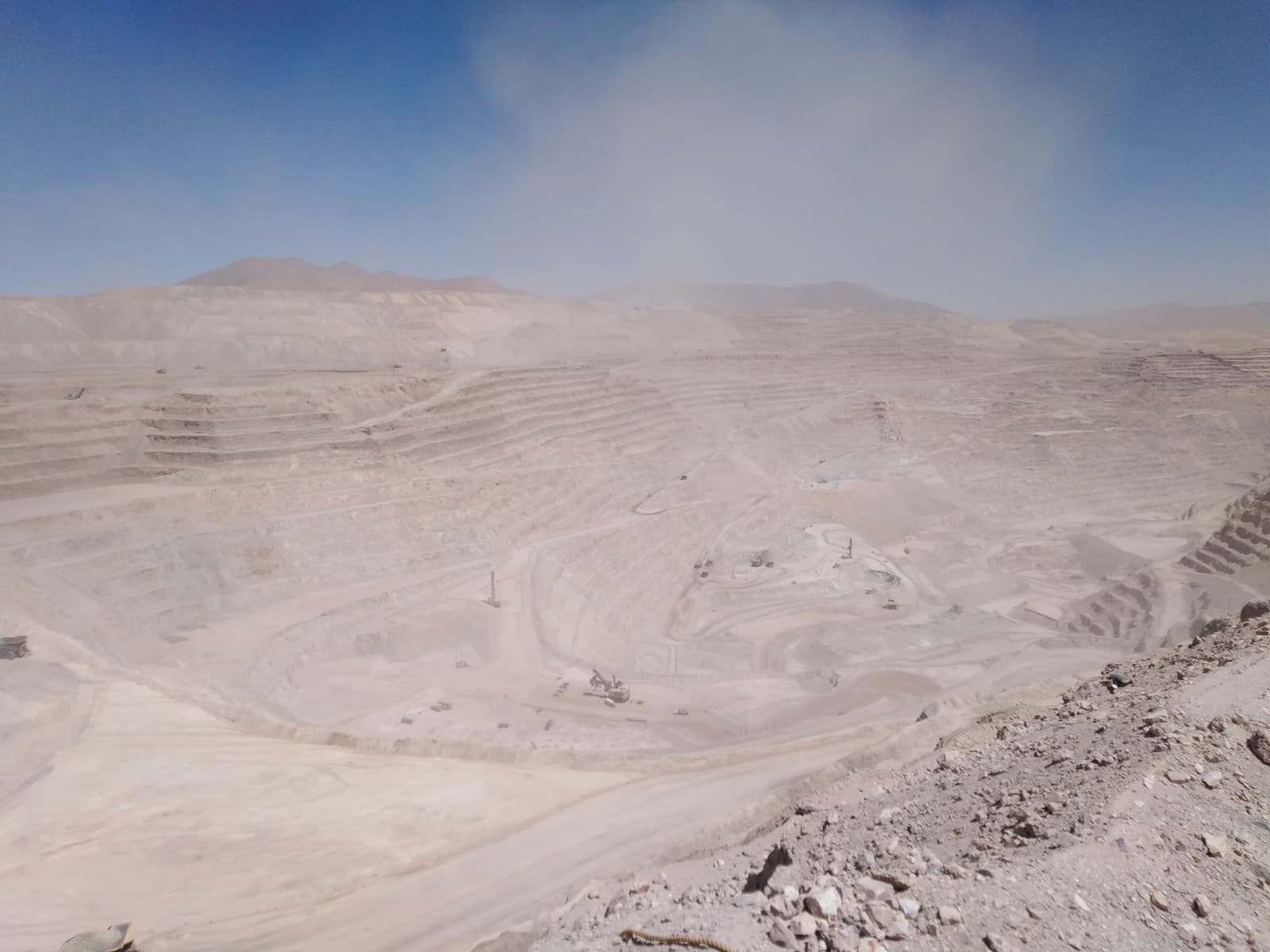
The intervention by the Sociedad de Activos Especiales, or SAE, matters economically because illegal gold extraction drains tax revenue, distorts formal mining activity and adds a layer of security risk to a sector that still has real significance for local employment and export income. Authorities said the properties were being used for logistical and operational support to illicit mining structures, with nine active clandestine mine shafts discovered during the operation.
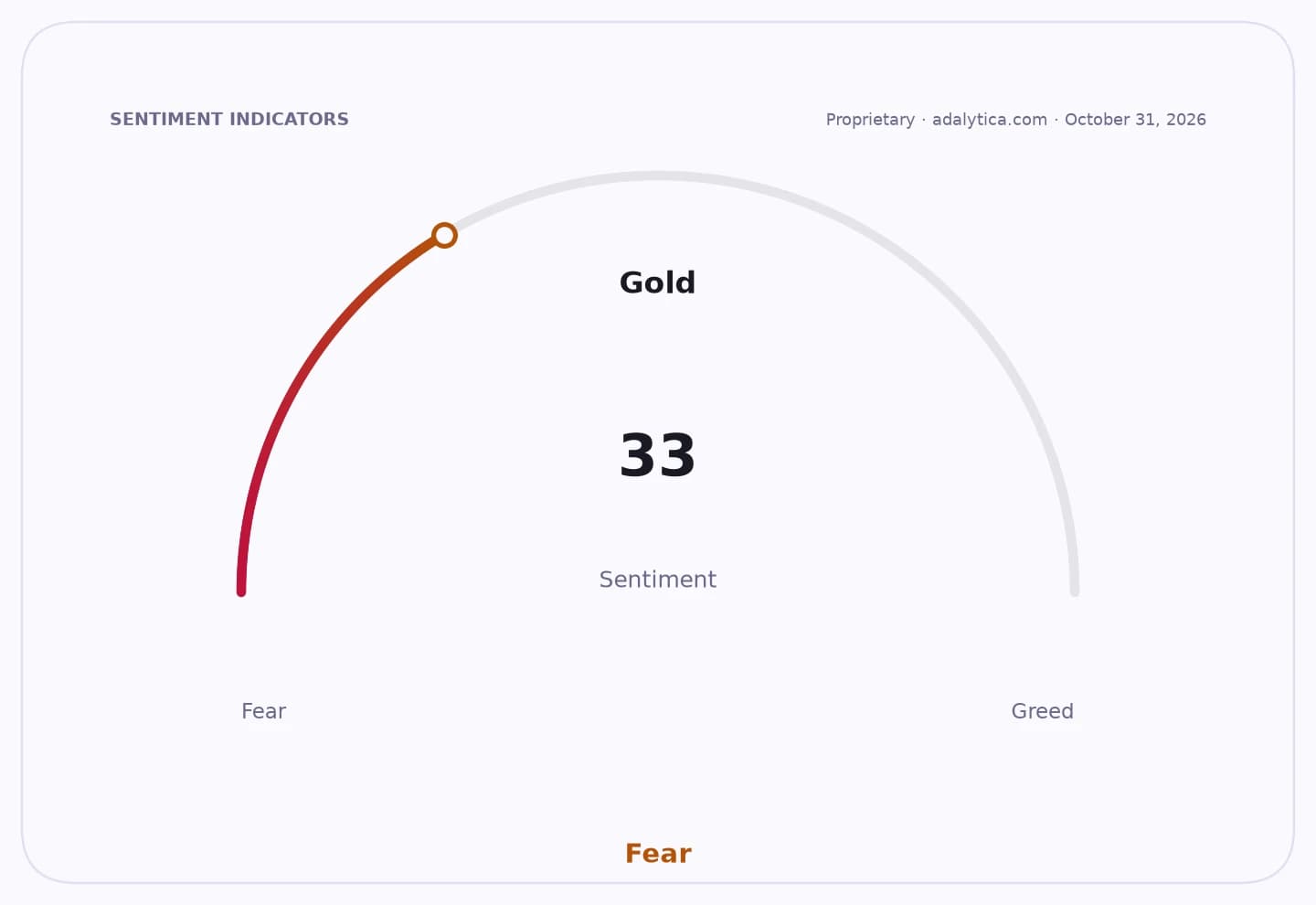
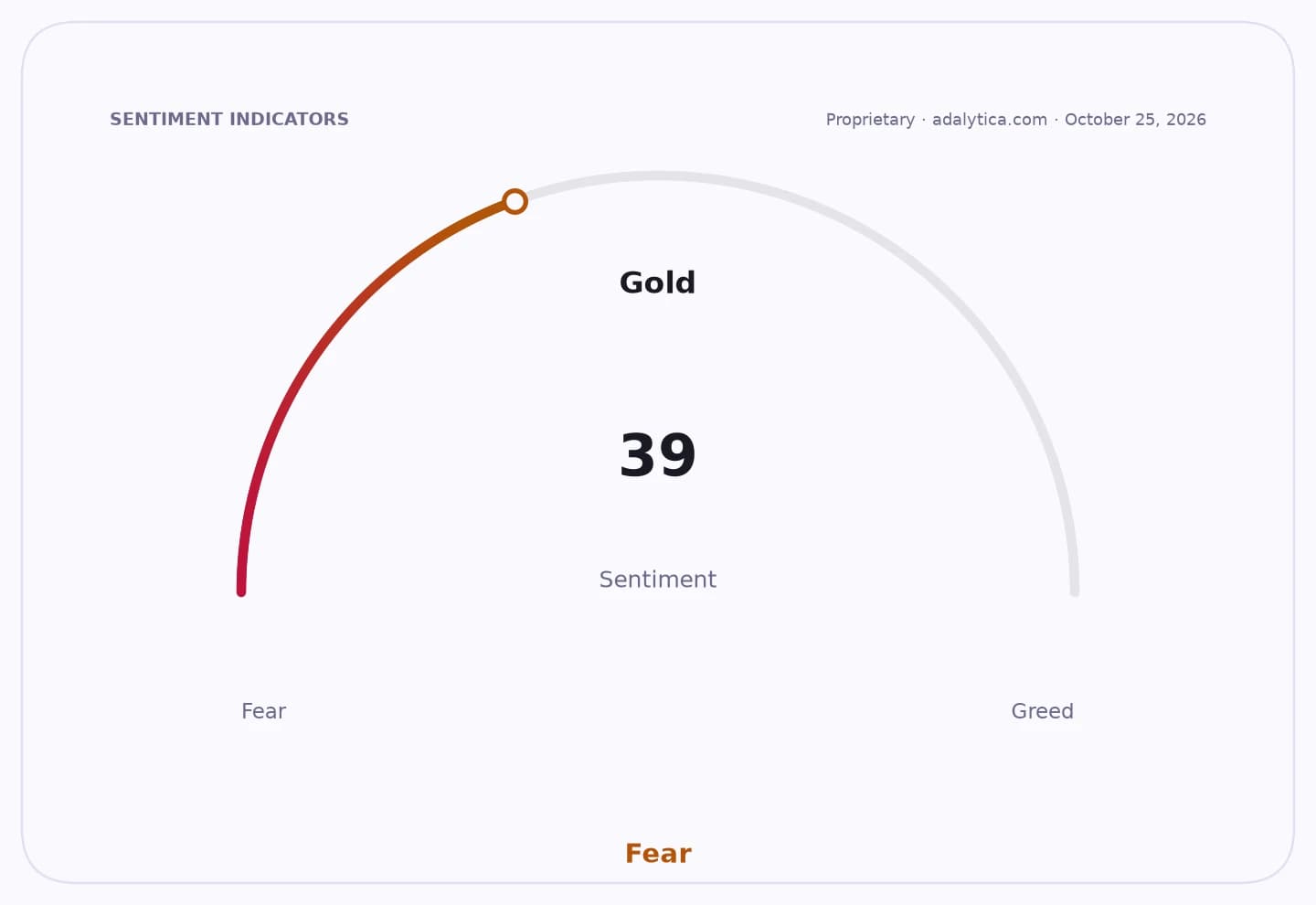
Sentiment Indicators
That is not a peripheral issue. Buriticá, in Antioquia, has become a flashpoint where formal mining, illegal tunnels and armed groups can overlap, creating a dangerous mix for workers, nearby communities and the state. The SAE said inspections found suspected links between illegal tunnels and formal mining developments, a sign that criminal operators are not simply working outside the system but trying to penetrate it.
For investors, the story cuts both ways. On one hand, tougher enforcement is positive for legitimate miners and for any company trying to operate with permits, capital discipline and environmental compliance. On the other, the persistence of illegal extraction highlights a structural risk premium across Colombian mining assets: projects can be disrupted by violence, permitting friction or theft, while the state’s ability to secure mineral zones remains a key variable for valuations.
The broader market backdrop is also supportive of the thesis that security and supply control matter more than ever. Gold has been volatile, and the underlying metal price can mask the local operating realities that determine whether miners actually capture those economics. When illicit operators can move ore through hidden tunnels and use seized assets as logistical hubs, they compress margins for formal producers and undermine the investability of the region.
The best takeaway for investors is that the real opportunity is not in chasing every gold price swing, but in identifying the formal operators and service providers that benefit when governments finally start reclaiming control of mineral districts. If Bogotá can sustain this pressure, the upside goes to compliant producers, security contractors and infrastructure providers that help formal mining scale. If it cannot, Colombia’s gold story stays trapped in the same high-risk discount the market has assigned it for years.
| Entity | Gains | Losses |
|---|---|---|
| SAE / Colombian state | ▲Asset control | ▼Criminal leverage |
| Formal miners in Antioquia | ▲Safer operating environment | ▼Disrupted illegal competition |
| Illegal mining networks | ▲None | ▼Cash flow, access, territory |
| Mining investors | ▲Lower long-term risk premium | ▼Near-term volatility |