Crypto is getting standardized, but the real catalyst for the industry’s next leg may still be a proper regulator, according to CoinSwitch co-founder and CEO Ashish Singhal.
CoinSwitch CEO Says Crypto Needs Clear Regulation
That matters because crypto’s biggest hurdle has never been technology alone. It has been trust. Clear rules can pull capital back into the sector, widen adoption beyond traders, and give serious builders the confidence to spend years — not months — on products that could actually matter to India’s economy.
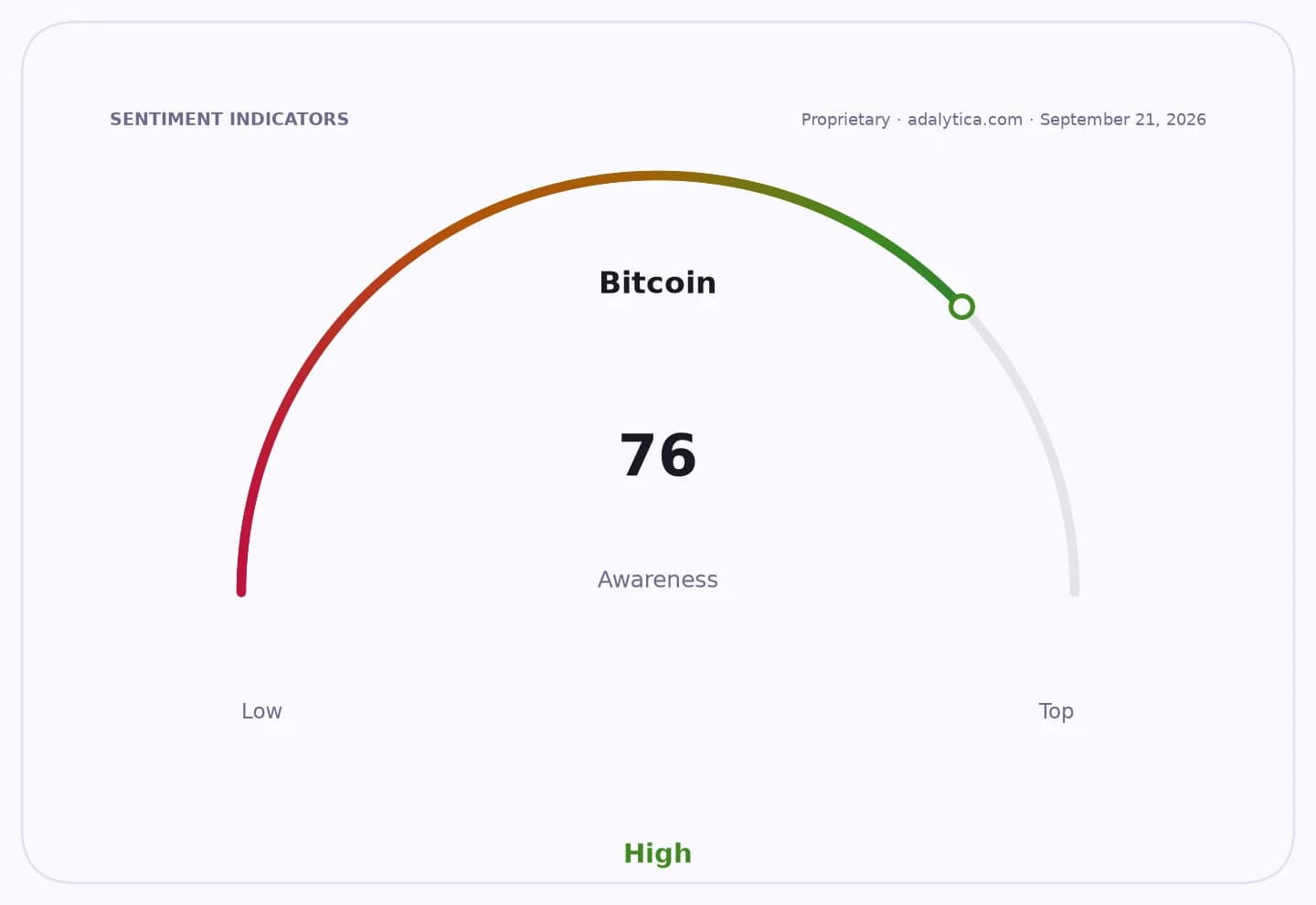
Sentiment IndicatorsⓘProprietary · adalytica.com · September 4, 2026
This is a snapshot — live sentiment, awareness and momentum for 130+ markets update continuously in the dashboard.Open AlphaPulse
Singhal said Bitcoin has risen 20% in the past two weeks on optimism around the U.S. CLARITY Act, and that money has started flowing back into crypto, including through exchange-traded funds. That is the kind of market response investors watch closely: when policy improves, liquidity often follows, and so does sentiment. The same dynamic is playing out in India, where mandatory registration with the Financial Intelligence Unit has helped legitimize the market, even if the country still lacks a full-blown crypto regulator.
His core message was simple: standardization is helpful, but regulation is better. User trust would be higher if more of the industry were overseen by a regulator or self-regulating organization, he said. For investors, that is important because trust lowers the cost of participation. It can expand the user base, support better product design, and reduce the risk premium that has kept institutions and conservative households on the sidelines.
Singhal also laid out where the long-term opportunity may sit. In Asia, he sees stablecoins doing meaningful work. In India, he believes tokenization could be the bigger story, especially because the country already has a strong payments network. If assets such as bonds, private credit, or other holdings can be tokenized, they may become more liquid and accessible to retail investors. That is not a trading thesis; it is a structural one. It could bring more participants into financial markets and open a new lane for fintechs, brokerages, and wealth platforms.
Still, the bottleneck remains regulation. Singhal argued that uncertainty discourages startups from building in tokenization, even when the technology exists. And he is probably right. Entrepreneurs can handle competition; they struggle with rules that might force them to shut down after they have already built a business. That uncertainty slows innovation, and in turn delays the kind of ecosystem growth regulators like to see before moving faster.
For CoinSwitch, the story is not just about crypto anymore. Singhal said the company turned profitable last year and wants to keep growing into a broader wealth-tech platform through products like Lemonn, eventually giving users a way to manage stocks, mutual funds and fixed deposits alongside digital assets. That is a sensible strategy in a sector where stand-alone crypto trading can remain cyclical, but wealth management can compound over time.
For long-term investors, the takeaway is clear: the winners in digital assets may be the firms that survive the regulatory grind and use it to build broader, stickier businesses. Crypto may be getting standardized, but a real regulator could be what turns it into a durable industry. Worth watching.
| Entity | Gains | Losses |
|---|---|---|
| CoinSwitch | ▲Higher trust, broader product push | ▼Regulatory delay |
| Indian crypto startups | ▲Clearer rules, easier building | ▼Uncertainty, compliance risk |
| Retail investors | ▲Better protection, more access | ▼Confusion, scam exposure |
| Regulators/SROs | ▲More orderly market | ▼Less room for gray areas |