Colombia’s demographic squeeze is accelerating, and that matters far beyond a single statistical release: fewer births and more deaths point to a faster-aging population, a tighter future labor pool and rising pressure on health, pensions and consumption.
Colombia births fall as deaths rise in 2025
When the National Administrative Department of Statistics, or Dane, publishes consolidated births and deaths for January through July on Thursday, investors and policymakers will be looking for confirmation that the country’s population math is deteriorating faster than expected. The latest full-year figures already showed the pattern clearly: 433,678 births in 2025, down 20,223 from 2024, while deaths rose to 283,378, up 2.8% year on year.
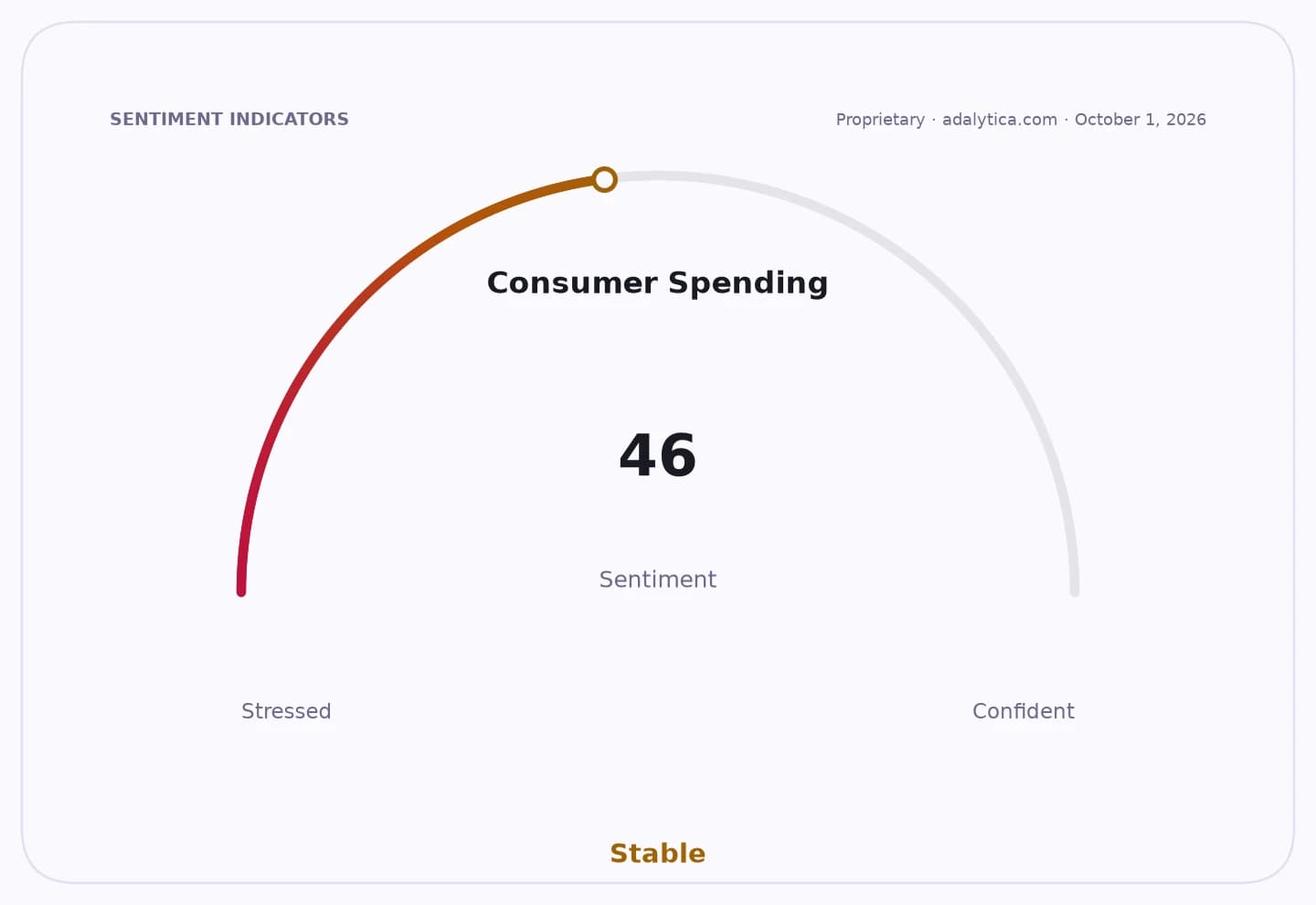
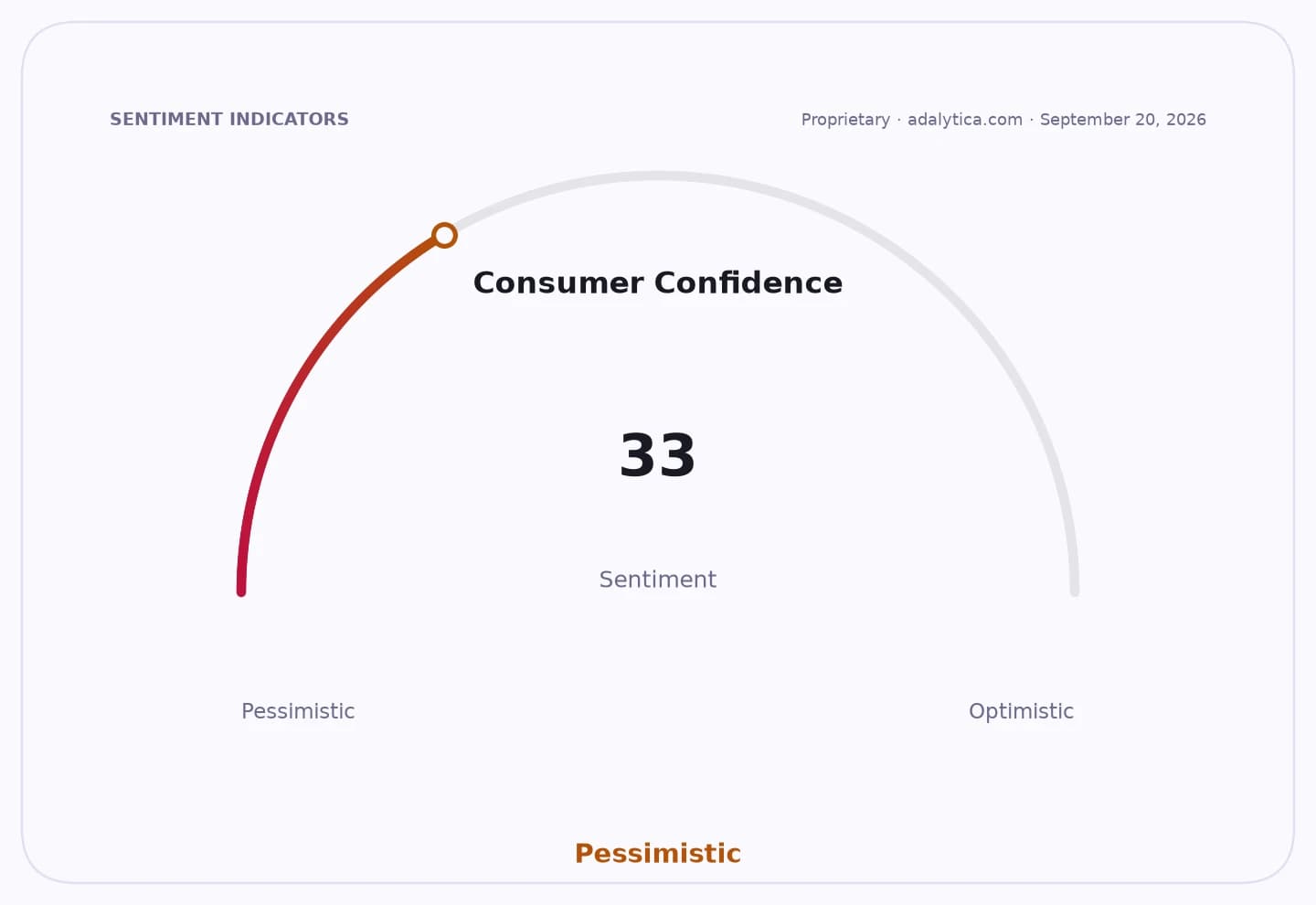
Sentiment IndicatorsⓘProprietary · adalytica.com · September 24, 2026
This is a snapshot — live sentiment, awareness and momentum for 130+ markets update continuously in the dashboard.Open AlphaPulse
That is not just a social trend. It is an economic constraint. A sustained drop in fertility means fewer entrants into the workforce in coming years, slower household formation and weaker long-run demand for housing, education, retail and financial products tied to young families. Colombia’s general fertility rate fell to 30.9 births per 1,000 women of childbearing age, the lowest in a decade, while total fertility hovered near one child per woman, far below replacement level of 2.1.
The pace of decline is still notable even after several years of sharp contraction. Births fell 4.5% in the latest annual reading, slower than the 7% drop in 2022, 10.1% in 2023 and 12% in 2024, but still leaving total births almost 34% below the 2017 peak. The biggest declines were among women aged 15 to 24, while the peak fertility bracket has shifted to ages 25 to 29, a sign of delayed family formation rather than a temporary dip.
At the same time, mortality is edging higher. Dane said deaths rose by 7,600 last year and the crude death rate climbed to 5.3 per 1,000 inhabitants. Heart disease remained the leading cause of death, followed by chronic respiratory disease and stroke, while homicides ranked fourth and acute respiratory infections fifth, underscoring the persistent burden from both chronic illness and violence.
For investors, the implications are multi-year and underappreciated. Lower birth rates and higher mortality do not hit GDP overnight, but they reshape the market’s addressable growth. Over time, the clearest beneficiaries are health care, life insurance, retirement services and automation plays that can offset a slower-growing labor force. The losers are businesses reliant on expanding cohorts of children and young workers, and, eventually, the broader consumer economy if household formation keeps weakening.
The market has already been rewarding duration-sensitive assets amid expectations of slower structural growth, while the broader equity tape remains strong. That makes the demographic warning especially important: a country can post cyclical recovery and still face a secular drag underneath. Colombia’s labor market may look stable today, but a shrinking pipeline of future workers will tighten the supply side of the economy and force more pressure onto productivity, wages and public finances.
Dane’s January-to-July update will not change the trend, but it could sharpen the debate over how fast Colombia is aging and how quickly institutions need to adapt. The smart money should treat this as a long-duration macro story, not a one-day data print: own businesses that monetize aging and scarcity, and be cautious on sectors that need a growing base of young consumers to compound.
| Entity | Gains | Losses |
|---|---|---|
| Health insurers and providers | ▲More chronic-care demand | ▼Higher medical cost pressure |
| Pension and retirement services | ▲Aging-population demand | ▼Longer funding stress |
| Child-focused retailers and schools | ▲— | ▼Smaller youth cohort |
| Automation and productivity tech | ▲Labor replacement demand | ▼— |