Colombia’s inflation climbed back to 6.24% in August, a sharper-than-expected rebound that raises the odds the central bank will have to keep policy tighter for longer and delays any meaningful relief for borrowers, consumers and rate-sensitive assets.
Colombia inflation rises to 6.24% in August

The move matters because inflation is no longer simply easing from a high base — it is re-accelerating. Monthly consumer prices rose 0.39%, almost double the 0.19% seen a year earlier and well above the 0.27% average forecast in a market survey. That kind of miss tends to hit fixed-income markets first, because it pushes investors to reprice the path for interest rates and extends the premium on Colombian debt.
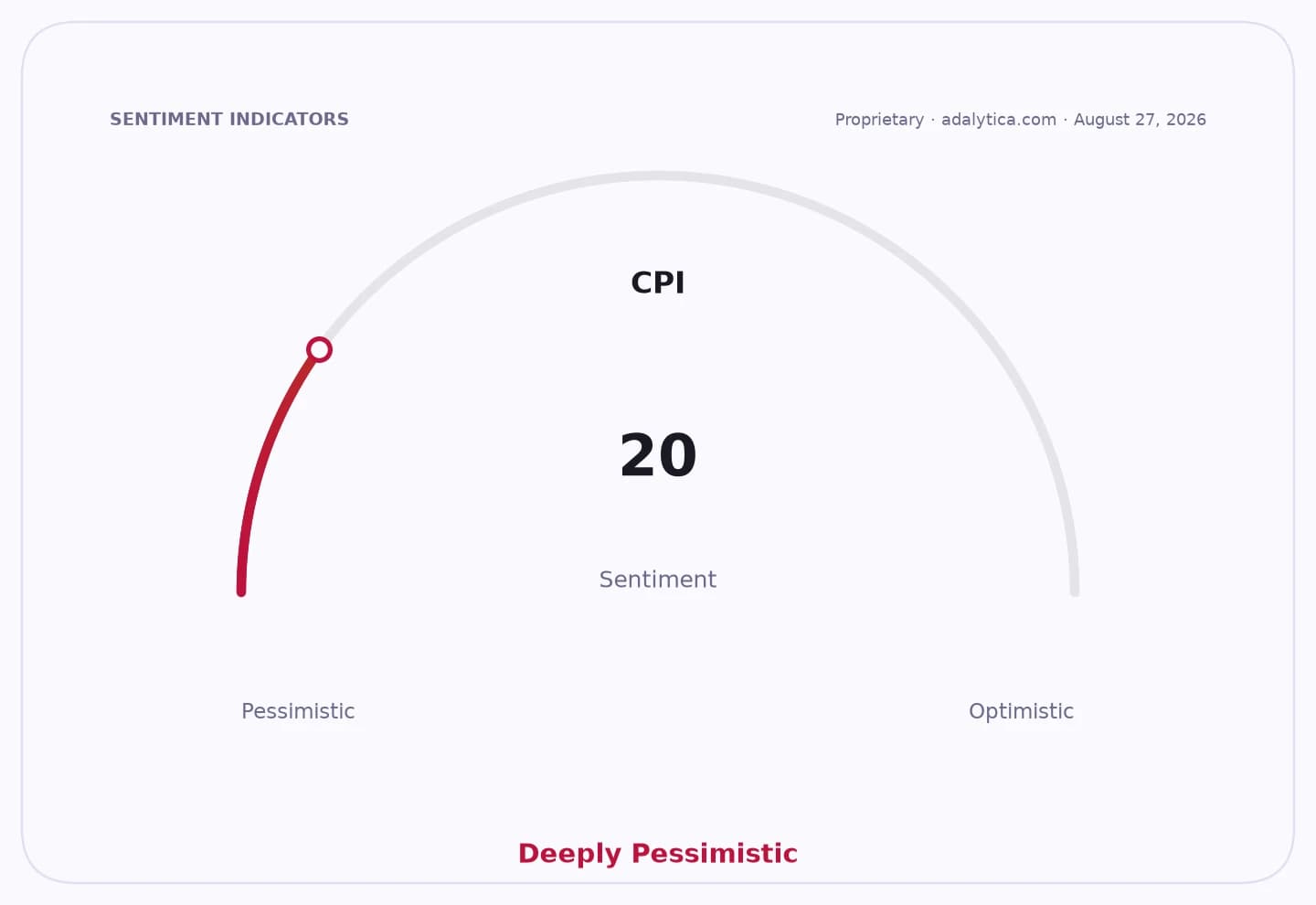
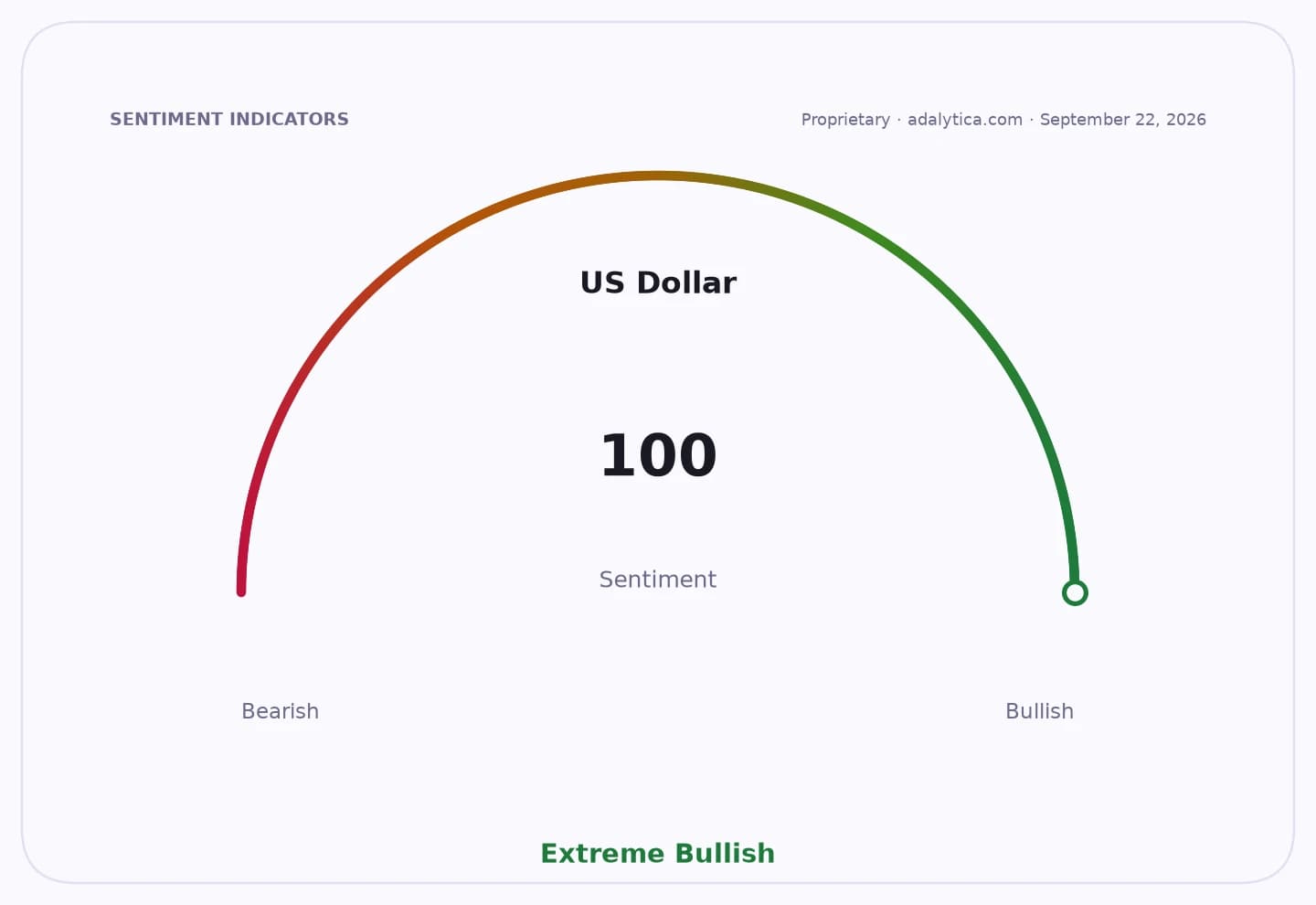
Sentiment IndicatorsⓘProprietary · adalytica.com · September 8, 2026
This is a snapshot — live sentiment, awareness and momentum for 130+ markets update continuously in the dashboard.Open AlphaPulse
The August reading was the highest since July 2024 and compares with 5.10% in August last year. Year to date, inflation is running at 5.35%, up from 4.22% in the same period of 2025. The data suggest the disinflation process is fragile, with price pressure reappearing in the sectors that matter most to household spending and expectations.
Restaurants and hotels led the 12-month gain with a 9.36% increase, followed by health at 8.30% and education at 7.45%. Alcohol and tobacco rose 6.94%, while household goods climbed 6.67%. Even food inflation, at 6.10%, remains stubbornly elevated, a key concern for lower-income families because it erodes real wages faster than headline figures imply.
The city breakdown reinforces the inflation problem is broad, not just a Bogotá story. Riohacha posted the largest monthly increase at 0.71%, helped by electricity costs, while Manizales recorded the lowest at 0.20%. Over the past 12 months, Medellín logged the highest inflation among measured cities at 7.07%, with Bogotá close behind at 6.08%.
For investors, the message is clear: the room for the Banco de la República to ease aggressively has narrowed. Higher-for-longer policy usually supports the peso and short-dated paper in the near term, but it also keeps pressure on consumer demand, retail spending and credit growth. That is a negative for domestic cyclicals, while importers and rate-sensitive borrowers face a tougher setup.
The bigger narrative is that Colombia is entering a late-stage inflation fight just as markets had been hoping for a smoother descent. If price pressures persist into the next print, bond yields may have to rise further and equity leadership will likely shift toward exporters, dollar earners and companies with pricing power. For now, the asymmetric trade is to stay cautious on duration and selective on Colombian risk until inflation shows it can fall sustainably again.
| Entity | Gains | Losses |
|---|---|---|
| Banco de la República | ▲Policy credibility | ▼Rate-cut flexibility |
| Colombian peso | ▲Support from tighter policy | ▼Domestic demand |
| Government borrowers | ▲None | ▼Higher financing costs |
| Consumers and retailers | ▲None | ▼Real purchasing power |