Colombia is heading into a minimum-wage showdown that could reshape household spending, business costs and the government’s credibility on labor policy, with unions floating a 38.5% increase and employers arguing for something closer to 7% to 10%.
Colombia minimum wage talks could lift 2027 pay sharply
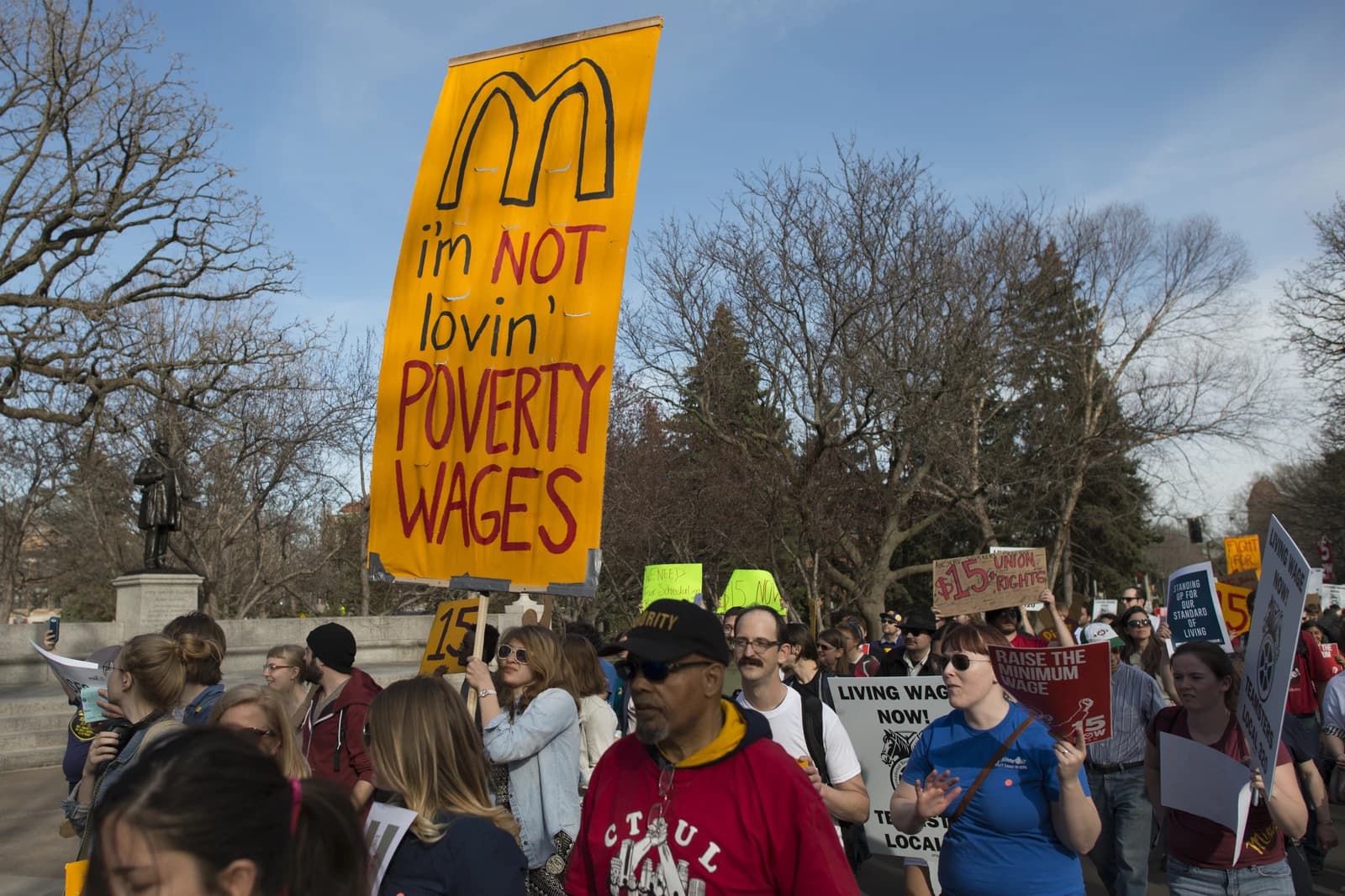
The clash matters because the minimum wage is not just a labor issue in Colombia — it is a pricing anchor for the broader economy. A settlement near the union demand would lift the monthly minimum salary to about 2.42 million pesos, far above current expectations and well beyond what businesses say the economy can absorb. Employer-backed proposals would leave the wage around 1.89 million to 1.91 million pesos, a gap that underscores how much inflation, productivity and job protection are now driving the negotiation.
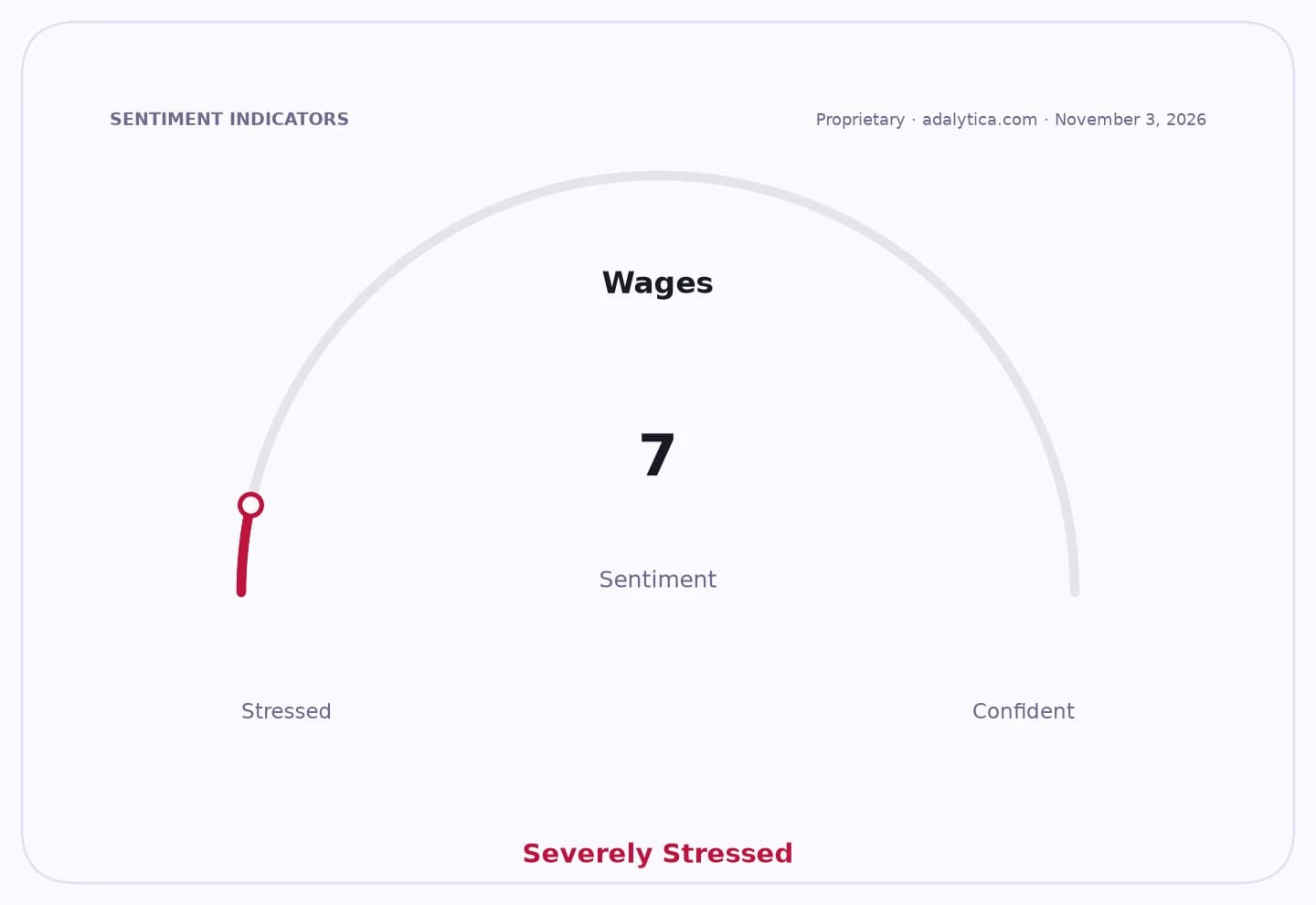
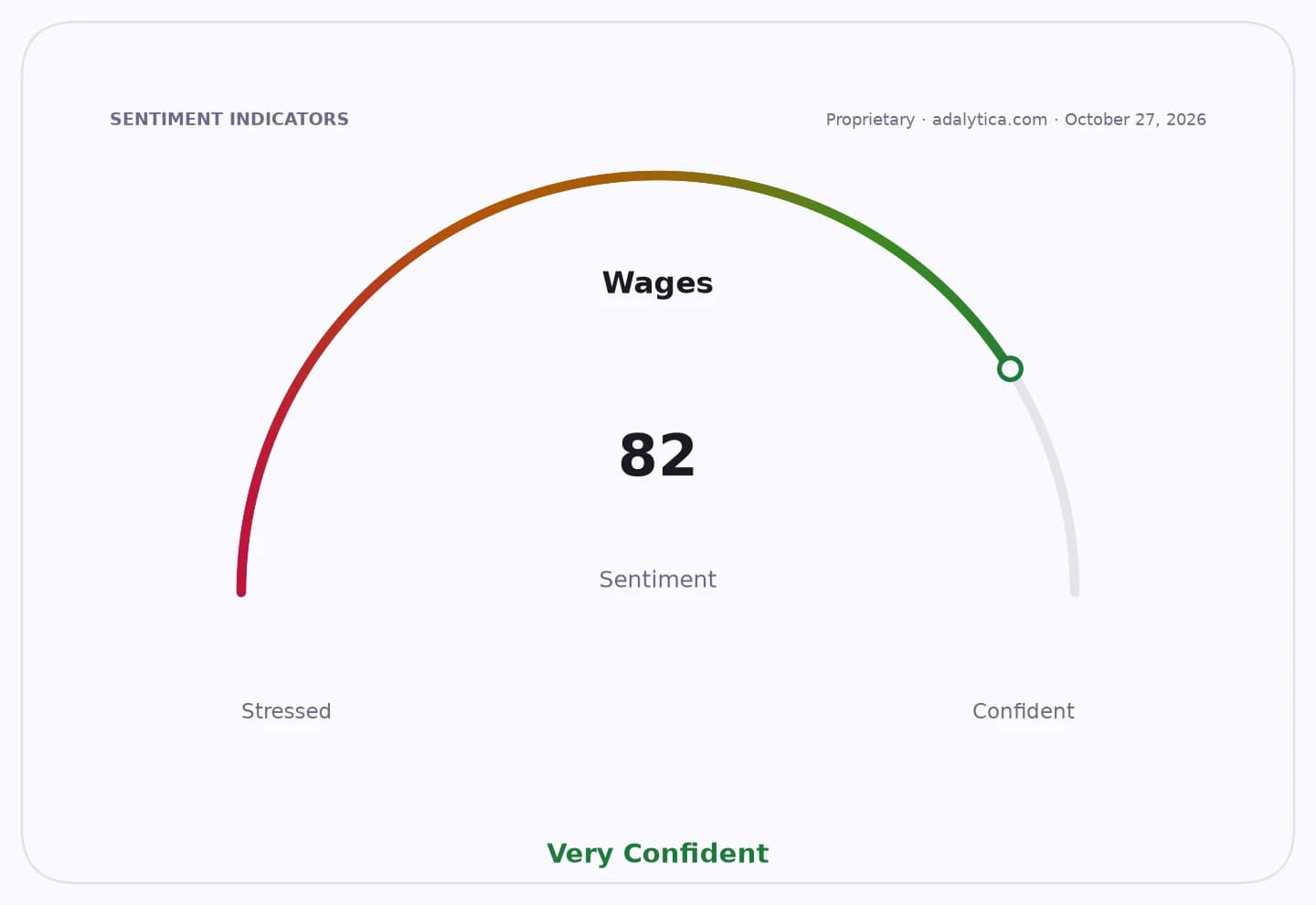
Sentiment Indicators
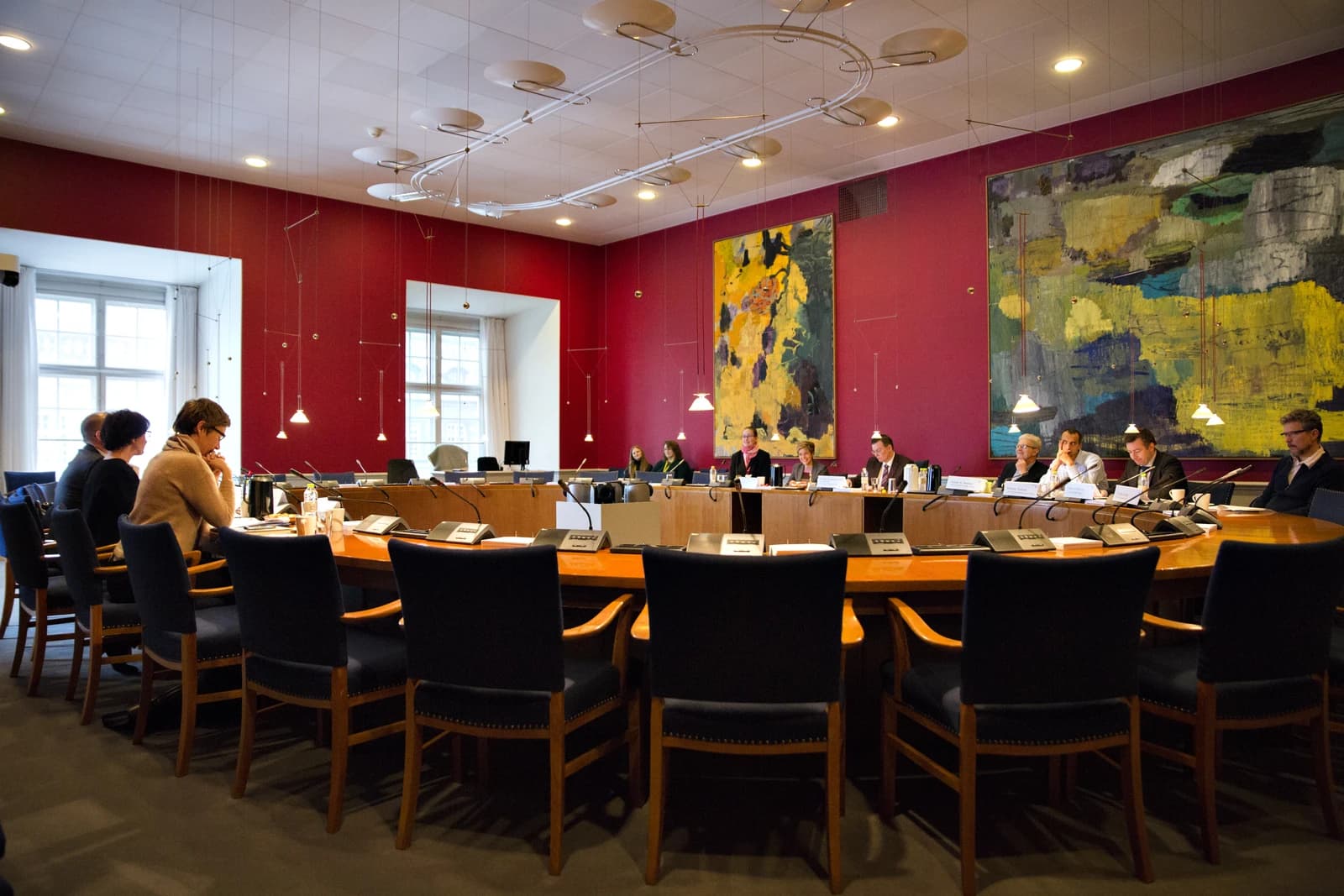
The government is already trying to move the process forward, with the labor ministry considering bringing forward the opening of talks to Nov. 18 from Nov. 25. That would give negotiators more time to study third-quarter GDP and inflation data before the initial Dec. 15 deadline. If there is still no agreement, talks can run through Dec. 30 before President Gustavo Petro’s administration sets the increase by decree.
That timetable is important for investors because it raises the odds of a politically charged year-end decision that could ripple through consumption, margins and employment. Higher wages would support spending power for lower-income households, but they would also raise labor costs for retailers, restaurants, manufacturers and service companies already navigating weak productivity and sticky prices. Small and medium-sized firms are especially exposed, because they have less room to absorb higher payroll expenses without cutting hiring, trimming hours or passing costs on to consumers.

The market is likely underestimating how much this negotiation can move the inflation and labor narrative into year-end. A large wage hike would give a short-term boost to discretionary demand, but it could also keep service inflation elevated and pressure formal employment if businesses respond by slowing headcount growth. A more moderate deal would be friendlier to margins and job creation, but could disappoint unions and keep social pressure on the Petro government.
For investors, the key question is not whether wages rise — they almost certainly will — but by how much and how fast the government wants to force a settlement. The most asymmetric opportunities are likely in companies with pricing power and scale, while small domestic employers and labor-intensive sectors face the most risk from a wage shock.
The next catalyst is the labor ministry’s final decision on when talks start, followed by the GDP and CPI readings that will shape the bargaining range. That makes the next few weeks critical for anyone positioned in Colombia’s consumer, retail and employment-sensitive sectors. In this setup, I believe the smarter trade is to favor businesses with strong pass-through ability and avoid the most wage-sensitive domestic names until the government’s final line becomes clear.
| Entity | Gains | Losses |
|---|---|---|
| Low-income workers | ▲Higher take-home pay | ▼Weak employer resistance |
| Large retailers and chains | ▲Better sales volumes | ▼Higher payroll costs |
| Small and medium enterprises | ▲Potentially less pressure in a moderate deal | ▼Margin squeeze, layoffs |
| Government | ▲Political leverage if it brokers a compromise | ▼Credibility risk if it imposes a controversial decree |