The Colombian peso’s move to 3,128.34 per dollar underscores how currency swings quickly filter through export earnings, import costs and inflation expectations in an economy still heavily exposed to external prices.
Colombian peso at 3,128.34 per dollar
A firmer dollar tends to help Colombia’s export sectors first. Oil, coffee, flowers, bananas and coal are sold in dollars abroad, so every greenback earned converts into more pesos onshore. That improves cash flow for producers in energy, mining and agriculture, especially when domestic costs are paid in local currency. For companies with dollar revenues and peso expenses, the exchange rate acts as a margin tailwind.
Sentiment IndicatorsⓘProprietary · adalytica.com · September 7, 2026
This is a snapshot — live sentiment, awareness and momentum for 130+ markets update continuously in the dashboard.Open AlphaPulse
The same move, however, becomes a tax on the rest of the economy. Imported machinery, technology, vehicles and medicines all get pricier when the dollar rises, squeezing corporate input costs and household purchasing power. In a country that depends on foreign supplies for industrial production and many consumer goods, a weaker peso can raise working-capital needs for businesses and force firms to pass higher costs on to buyers.
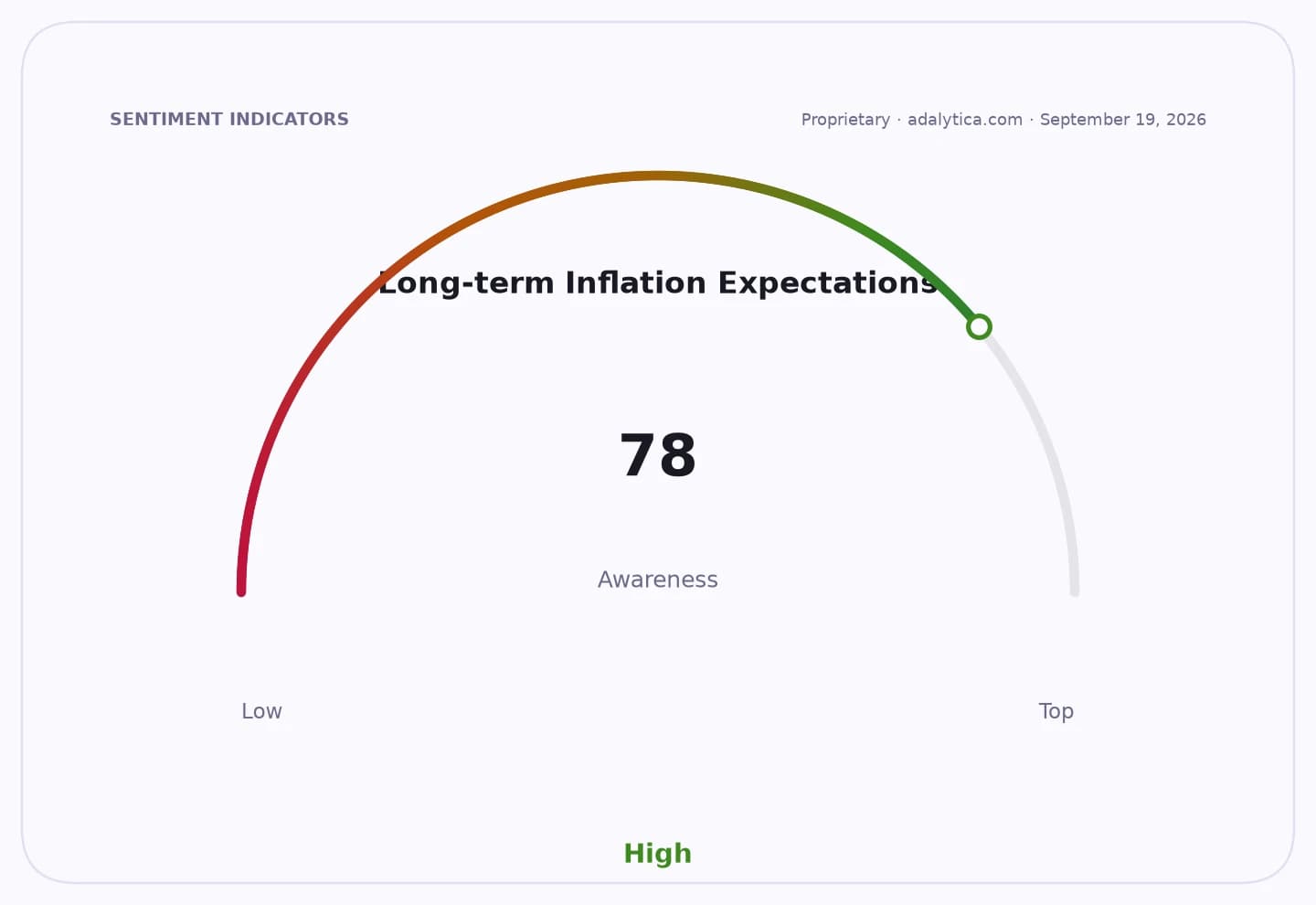
That is why the exchange rate matters so much for inflation. When imported goods and components become more expensive, the effect can spread beyond directly imported items into everyday prices, from electronics and appliances to some food products whose inputs are sourced abroad. The pass-through is not immediate or uniform, but it is broad enough to keep the central bank and investors attentive whenever the peso weakens sharply.
The latest quote also lands against a backdrop of tighter global conditions. U.S. dollar strength has been shaped by higher American yields, while oil has remained volatile, adding another layer of pressure for commodity-linked currencies such as the peso. For Colombia, that means the exchange rate is doing more than reflecting sentiment: it is transmitting external shocks into growth, inflation and fiscal revenues.
Market signals are mixed. The peso’s current level sits below its 50-day moving average but well above its 200-day average, suggesting recent gains have not yet fully reversed the broader trend. Relative strength index readings around the neutral zone point to a market without a strong directional break, even as traders continue to price in currency sensitivity to rates, commodity prices and risk appetite.
For investors, the key question is not whether a higher dollar helps one part of the economy and hurts another — it does both — but whether the inflationary effect begins to dominate. If imported inflation keeps feeding into consumer prices, it could complicate monetary policy and keep local rates elevated for longer. That would support the peso in theory, but also weigh on credit, consumption and growth.
The immediate winners are exporters and companies with dollar revenues. The losers are importers, consumers and borrowers reliant on foreign-sourced inputs. The broader signal is that Colombia’s economy remains highly exposed to the dollar’s direction, and that the exchange rate will stay central to the outlook for prices, margins and policy in the months ahead.
| Entity | Gains | Losses |
|---|---|---|
| Exporters | ▲More pesos per dollar | ▼Lower peso receipts if dollar falls |
| Importers | ▲Cheaper inputs if peso strengthens | ▼Higher costs when dollar rises |
| Consumers | ▲Lower inflation if peso firms | ▼Higher prices for imported goods |
| Central bank | ▲Easier inflation control if peso stabilizes | ▼Tighter policy pressure if pass-through grows |