Companies that publish full climate transition plans are borrowing more cheaply than peers, a sign that lenders are pricing climate disclosure into credit risk and rewarding firms seen as better prepared for the energy transition.
Companies With Climate Plans Pay Lower Borrowing Costs
A new Institute for Transition Planning and Net Zero analysis found debt interest rates for companies with complete climate transition plans are 0.8 percentage points lower than for companies that do not publish them. For borrowers, that spread can translate into meaningful savings on refinancing, capital spending and acquisitions; for creditors, it suggests transition readiness is becoming part of the underwriting process, not just an ESG talking point.
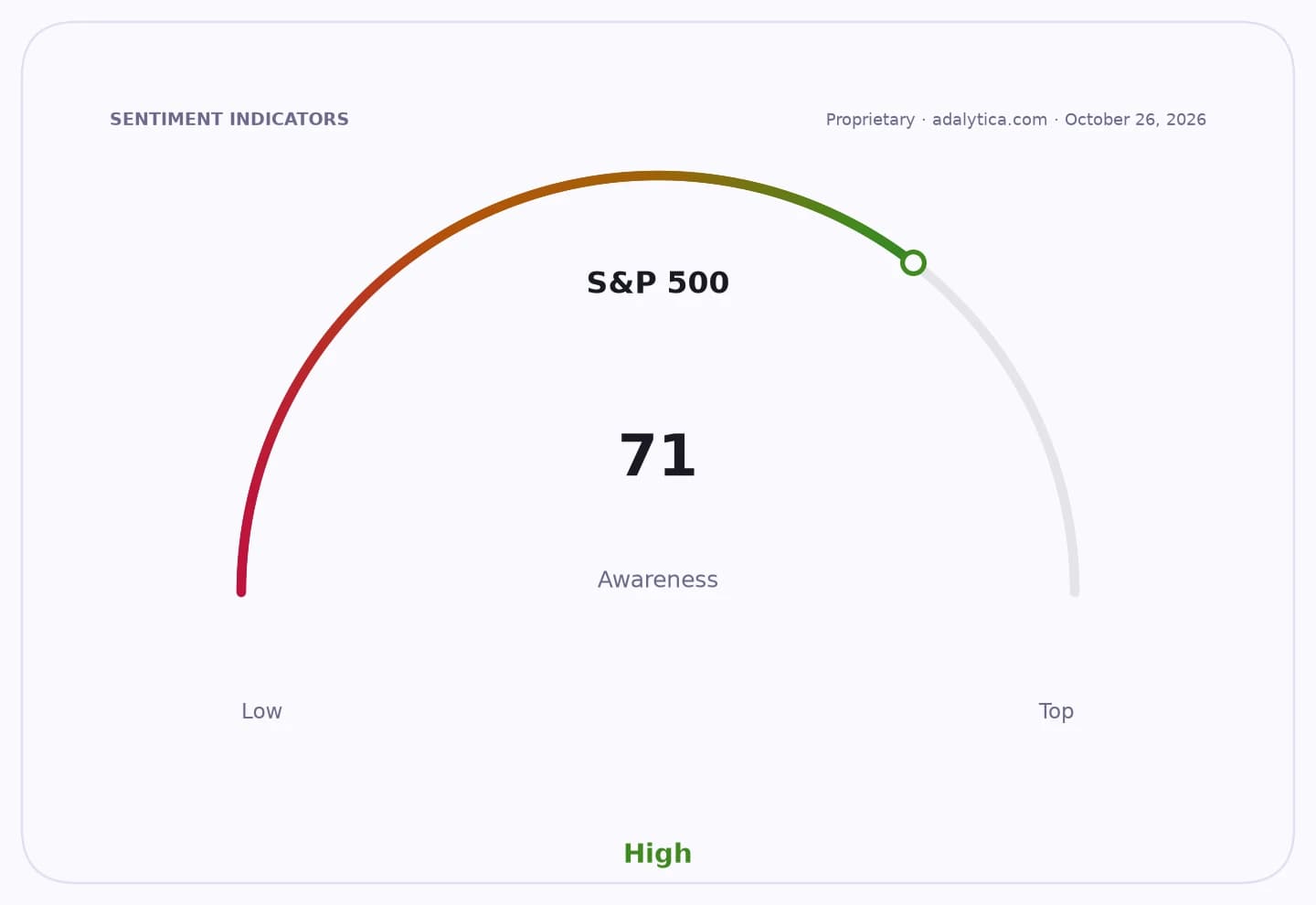
Sentiment IndicatorsⓘProprietary · adalytica.com · October 26, 2026
This is a snapshot — live sentiment, awareness and momentum for 130+ markets update continuously in the dashboard.Open AlphaPulse
The finding matters because financing costs are already elevated across markets. The 10-year US Treasury yield is around 5%, while the ICE BofA US High Yield index option-adjusted spread sits near 3.4 percentage points, keeping pressure on lower-rated borrowers. Investment-grade credit has also been more selective, with the LQD corporate bond ETF trading around 103.85 after a volatile stretch, underscoring how sensitive debt markets remain to funding risk.
Climate planning can lower perceived default risk by giving lenders more visibility on emissions strategy, capex needs and regulatory exposure. Companies that can show credible milestones, governance and capital allocation plans may be viewed as less likely to face abrupt shocks from carbon pricing, policy changes or stranded assets, which is why the benefit shows up first in borrowing costs.
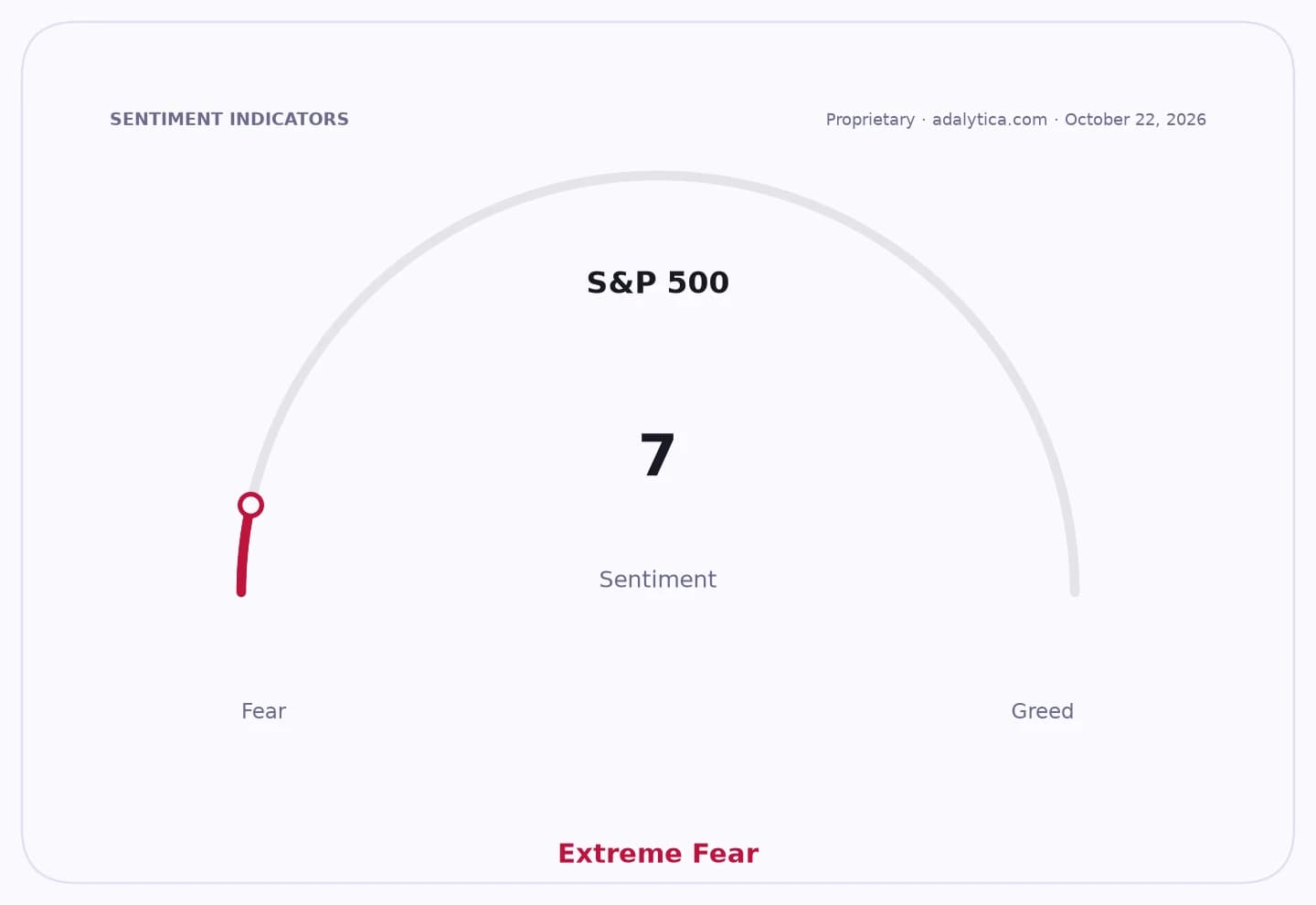
The result also strengthens the business case for climate disclosure at a time when investors are split between tighter policy scrutiny and capital discipline. Equity markets remain fragile — the Adalytica S&P 500 trade snapshot shows extreme fear — while Treasury and credit markets are reacting to a still-restrictive rate backdrop that leaves little room for weak balance sheets or vague transition strategies.
For investors, the message is that climate reporting is moving from reputational issue to pricing input. Companies with detailed transition plans may gain an advantage in debt markets, while those without them could face higher funding costs just as they need capital to decarbonize.
The next test is whether more issuers disclose full transition plans and whether lenders continue to price that transparency through a slower growth, higher-rate cycle. Wider adoption would deepen the link between climate strategy and cost of capital; failure to do so could leave late movers paying up for financing.
| Entity | Gains | Losses |
|---|---|---|
| Companies with full transition plans | ▲Lower borrowing costs | ▼Less transparency premium |
| Companies without transition plans | ▲None | ▼Higher interest rates |
| Lenders and bond investors | ▲Better risk visibility | ▼Potentially lower yields |
| ESG-aligned issuers | ▲Cheaper access to capital | ▼Pressure on laggards |