The government of Corrientes said it will stagger November salary payments for provincial workers, retirees and pensioners from Nov. 24 to Nov. 30, underscoring the cash-management pressures facing subnational public finances in Argentina.
Corrientes Staggers November Payroll Through Nov. 30
The schedule matters because payroll is typically the largest recurring expense for provincial administrations, and the timing of disbursements offers a read-through on how much room local governments have to smooth liquidity at month-end. In Corrientes, the first group — employees with DNI numbers ending in 0 and 1 — will be able to access funds early via Banco de Corrientes ATMs and digital channels from Saturday, Nov. 21, even though the official credit date is Nov. 24. The final tranche, for DNI endings 8 and 9, will be available on Monday, Nov. 30, with early ATM access from Nov. 28.
For workers and retirees, the announcement provides certainty on cash flow and spending timing ahead of month-end obligations. For the provincial treasury, the staggered calendar helps spread out transfers and reduce pressure on the banking system and public accounts. Such payment schedules have become a familiar feature across Argentine provinces as inflation, tight financing conditions and uneven revenue collection force governments to manage liquidity more carefully.
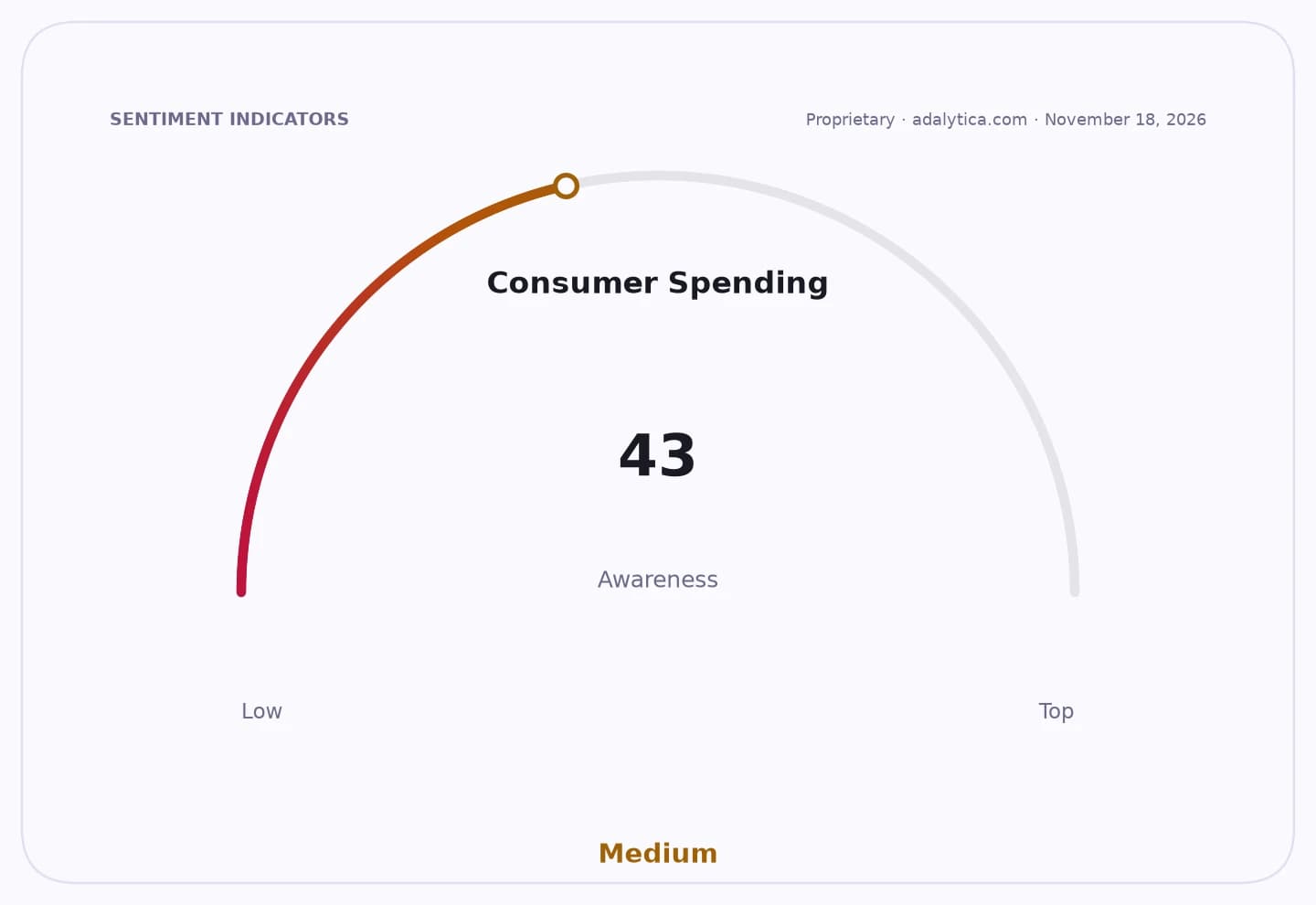
The broader economic significance is limited in scale but clear in direction: when provinces need to sequence payrolls by DNI, it often reflects an administration prioritizing orderly disbursement over immediate full payment, a sign that fiscal flexibility remains constrained. That can matter for local consumer spending, particularly in provincial economies where public-sector wages are a major source of demand for retail, transport and services.
For investors, the announcement is not a market-moving event on its own, but it is a useful indicator of fiscal discipline and liquidity conditions at the provincial level. Bondholders and lenders tend to watch payroll timing, arrears risk and cash sequencing as early signs of stress, especially in Argentina’s subnational sector, where funding conditions can tighten quickly. The key question is whether the province’s payment pattern remains routine or begins to lengthen further under strain.
| Entity | Gains | Losses |
|---|---|---|
| Provincial workers and retirees | ▲Payment visibility | ▼Immediate full access |
| Government of Corrientes | ▲Cash-flow control | ▼Flexibility to pay all at once |
| Banco de Corrientes | ▲Transaction activity | ▼Potential branch/cash pressure |
| Local consumer economy | ▲Near-term spending certainty | ▼None material |