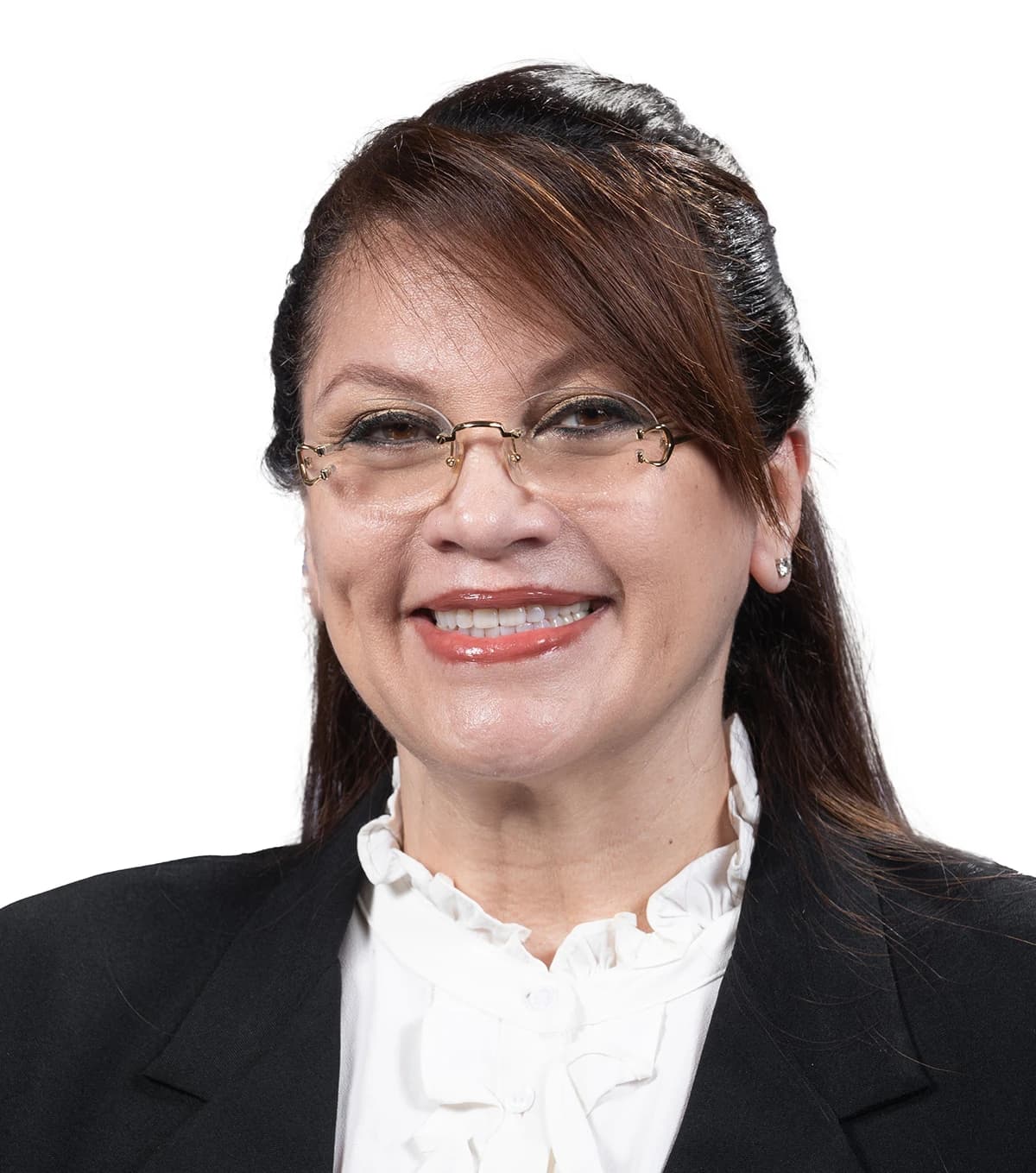
Mayuli Ortega’s decision to pay for the BMW X1 rental out of her own pocket is the clearest sign yet that a spending fight over a party vehicle has become a broader test of political accountability, public financing rules and voter trust in Costa Rica.
Costa Rica TSE Rejects BMW Lease Expense
The practical stakes are bigger than a luxury-car headline. The country’s electoral authority has already refused to recognize the BMW lease as an eligible expense under public campaign financing, and that ruling now leaves Pueblo Soberano to absorb the cost itself instead of passing it to taxpayers. For investors, the story matters because governance disputes like this can influence political stability, policy credibility and the tone of fiscal oversight in a country where institutions still carry real weight.
Ortega said the party’s treasury department had recommended the vehicle after comparing quotes under criteria of proportionality, transparency and legality. But the optics were always difficult. According to reporting from La Nación, the BMW lease ran about ¢1.2 million a month, while a Toyota Prado used by another party official cost more than ¢1 million monthly. The BMW contract stretched 48 months, from March 2026 to March 2030, implying a total bill of roughly ¢57.9 million if left unchanged.
That is precisely why the Tribunal Supremo de Elecciones stepped in. The TSE opened a preliminary administrative probe after citizen complaints and then rejected the party’s attempt to charge the BMW rental and the Toyota lease to public funds. Ortega also said the TSE’s political party financing department did not recognize 68% of expenses submitted by Pueblo Soberano, a hit that could tighten the party’s finances and force sharper internal controls.
For investors, these episodes are not about the car itself. They are about institutional discipline. When electoral authorities enforce spending limits, it reduces the risk that public financing becomes a blank check. That may not move markets day to day, but it does shape the quality of governance, especially in countries where rule of law and transparency are part of the investment case.
The episode also underscores a simple lesson for long-term investors: reputational damage can be costly even when the dollar amount is modest. Ortega has said she is prepared to submit the party’s spending to an open audit, which is the right direction if Pueblo Soberano wants to restore confidence. But the political damage may linger, particularly after La Nación’s reporting and the TSE’s refusal to validate the expense.
In the end, the most important development is not the lease itself but the fact that Costa Rica’s electoral watchdog is forcing a political party to take responsibility for spending that failed the public test. That is a reminder that institutions still matter, and that accountability can be as important to an economy as any single budget line. For investors watching Costa Rica’s political environment, this is worth keeping on the watchlist.
| Entity | Gains | Losses |
|---|---|---|
| Pueblo Soberano | ▲avoids public-funds backlash | ▼absorbs rental cost |
| Mayuli Ortega | ▲limits party losses | ▼takes personal financial hit |
| TSE | ▲reinforces spending oversight | ▼faces political pressure |
| Taxpayers | ▲protected from public reimbursement | ▼none directly |