André Ventura’s presidential campaign spent 3.73 million euros, almost triple the 1.22 million euros posted by rival António José Seguro, underscoring how expensive the final stretch of Portugal’s presidential race became even as the Chega leader lost in the second round.
Portugal presidential race spending: Ventura tops Seguro
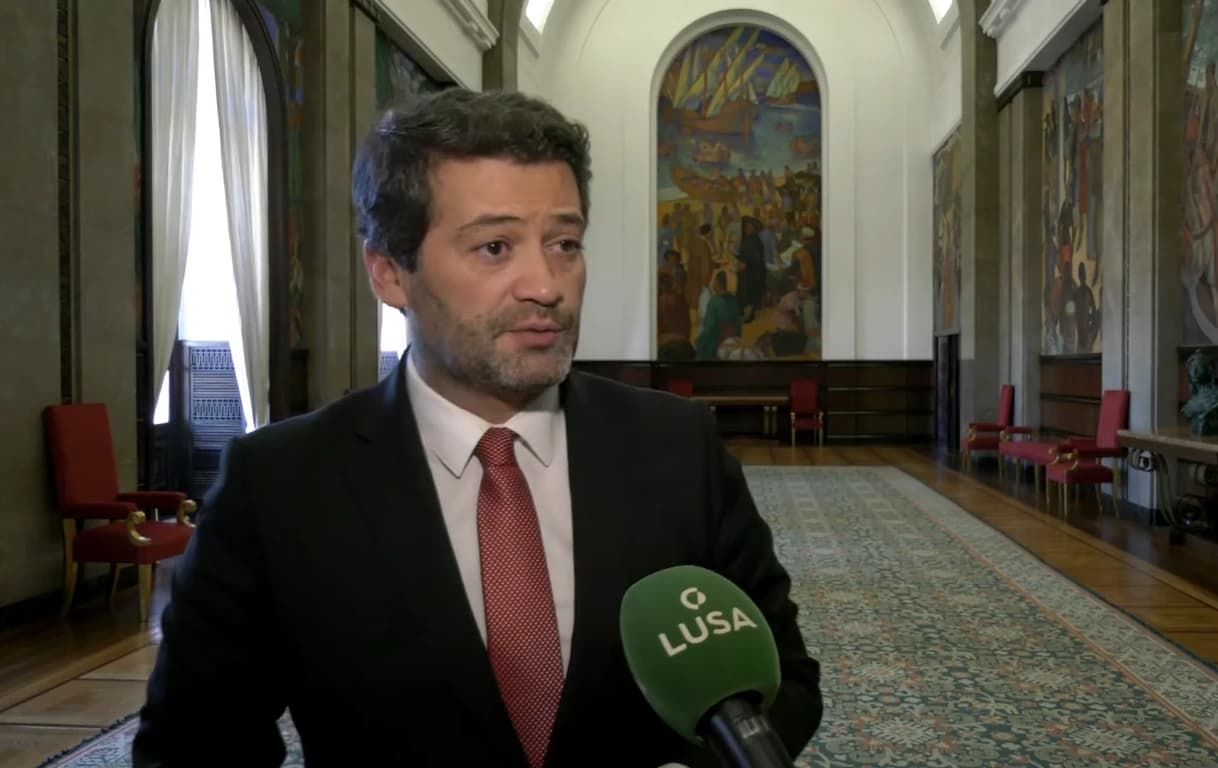
The spending gap matters because campaign finance can shape political reach, media visibility and turnout, especially in a race where both finalists were forced to scale up operations. Ventura’s budget overshot the 900,000 euros he had originally filed with the elections financing authority by about 2.8 million euros, with much of the money going to structures, billboards and banners, as well as gifts and other offers.
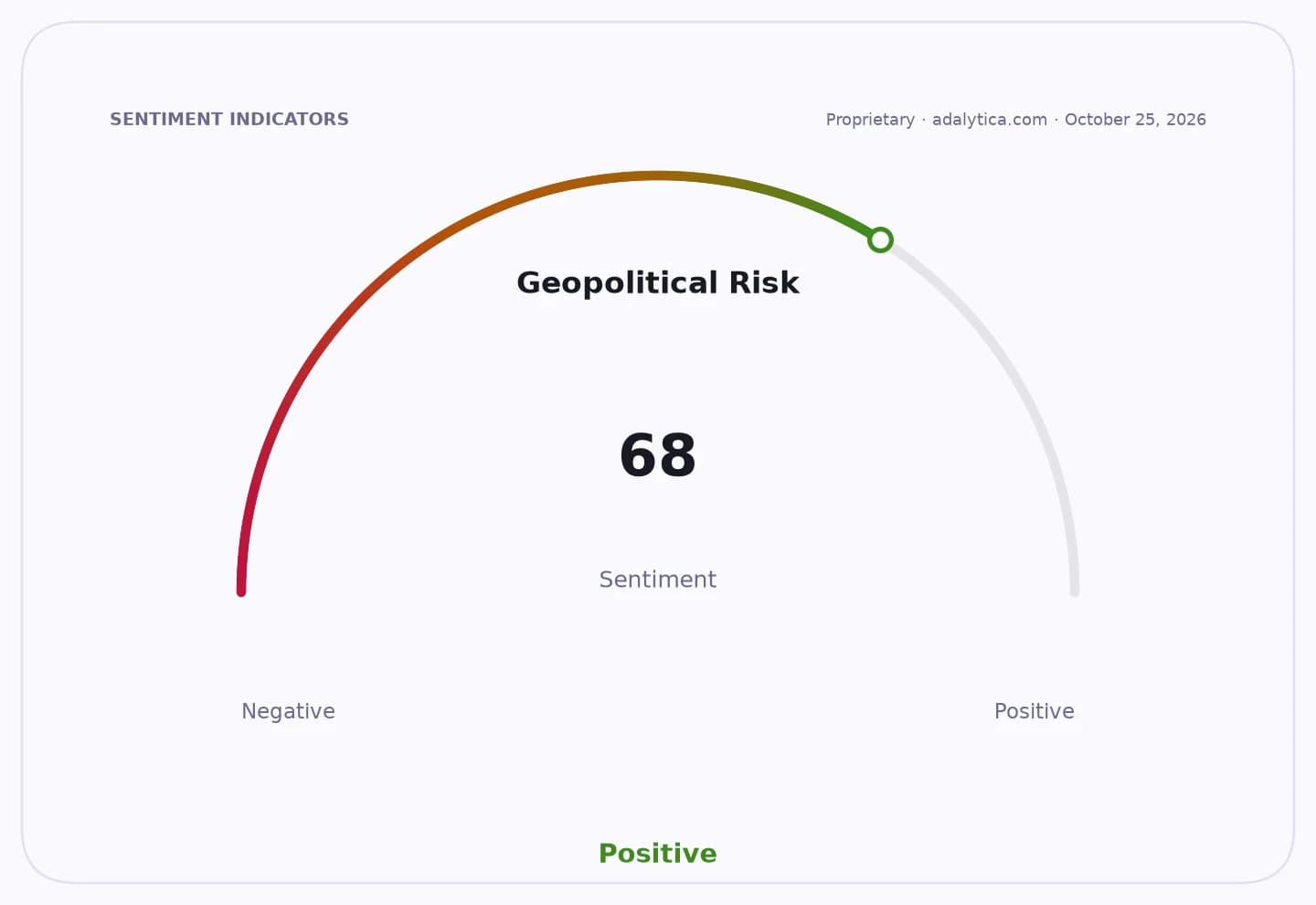
Sentiment Indicators
Ventura’s campaign also spent heavily on propaganda, rallies, administrative costs and communications agencies. On the funding side, it received 1.03 million euros in public subsidy and 2.7 million euros from political parties, while donations from individuals amounted to just 760 euros, highlighting how party machinery, not small donors, underwrote the effort.
Seguro, who ran as an independent backed by the Socialists, spent slightly more than the 1.13 million euros he had budgeted, with rallies, posters and communications accounting for the biggest shares. His campaign received the same 1.03 million-euro public subsidy plus 71,100 euros from political parties and 125,600 euros in fundraising.
The figures, released by the Entidade das Contas e Financiamentos Políticos, show a steep cost escalation between the two-round final and the rest of the field. After Ventura and Seguro, the biggest spenders were Henrique Gouveia e Melo at 984,700 euros, Luís Marques Mendes at 880,600 euros and João Cotrim Figueiredo at 744,500 euros.
| Entity | Gains | Losses |
|---|---|---|
| André Ventura / Chega | ▲Greater campaign reach | ▼Higher overspend scrutiny |
| António José Seguro / PS-backed bid | ▲Lower-cost victory | ▼Smaller war chest |
| Public financing system | ▲Clear disclosure of flows | ▼Exposure of spending gaps |
| Smaller candidates | ▲Lower spending burden | ▼Less visibility in race |