Javier Milei’s attempt to use a Madrid stopover to bolster Spain’s right wing is running into electoral caution on both sides, blunting the political payoff of a visit originally designed to deepen ties with Vox and the broader conservative bloc.
Milei Madrid Stopover Meets Spain Election Caution
That matters because Milei has turned foreign alliances into a core part of his political brand, linking his austerity agenda at home with like-minded allies abroad. But the timing is awkward: Spain is weeks away from a general election, the debate is centered on pensions and the cost of living, and public exposure to a foreign leader associated with aggressive spending cuts is politically risky for both the Partido Popular and Vox.
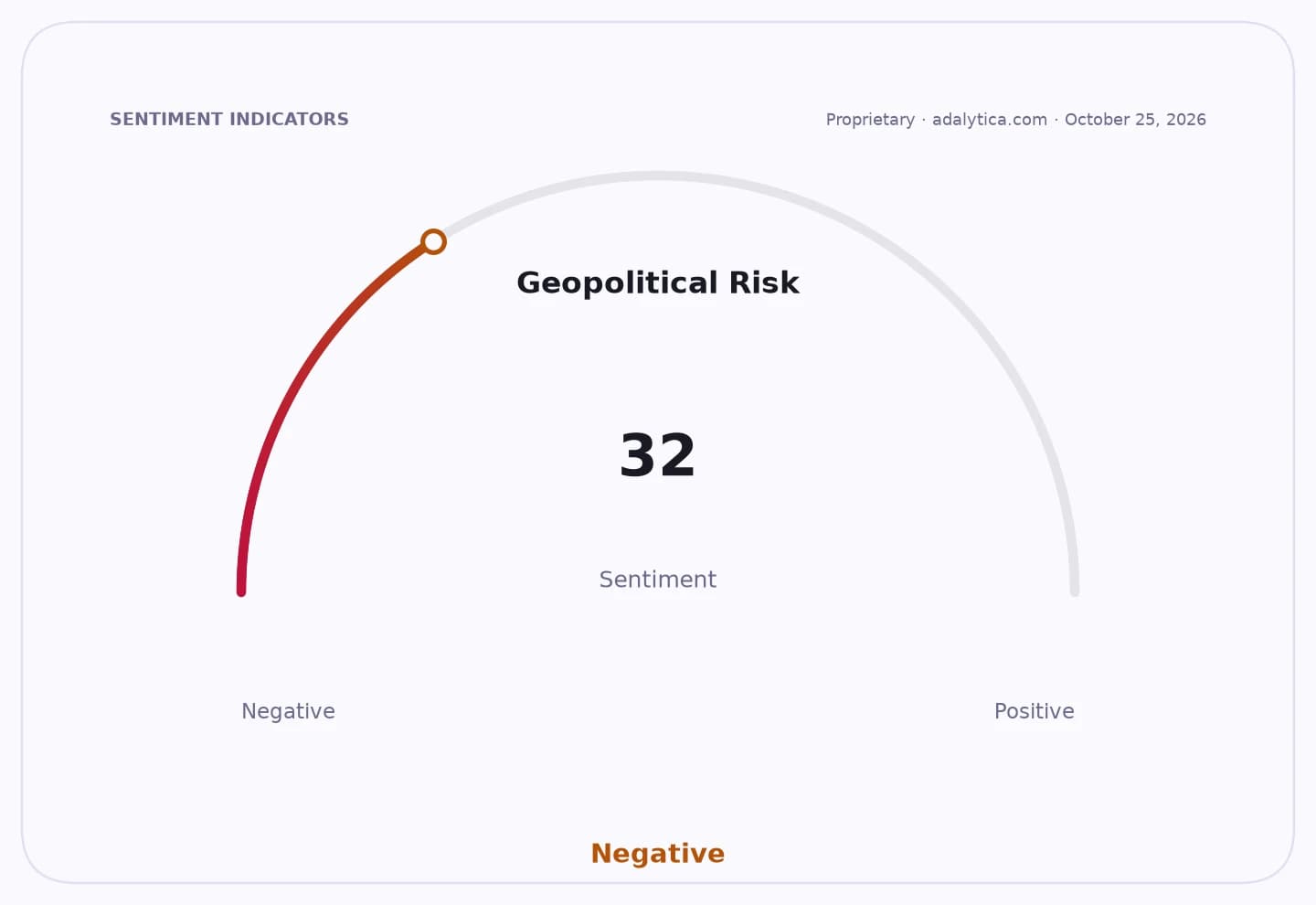
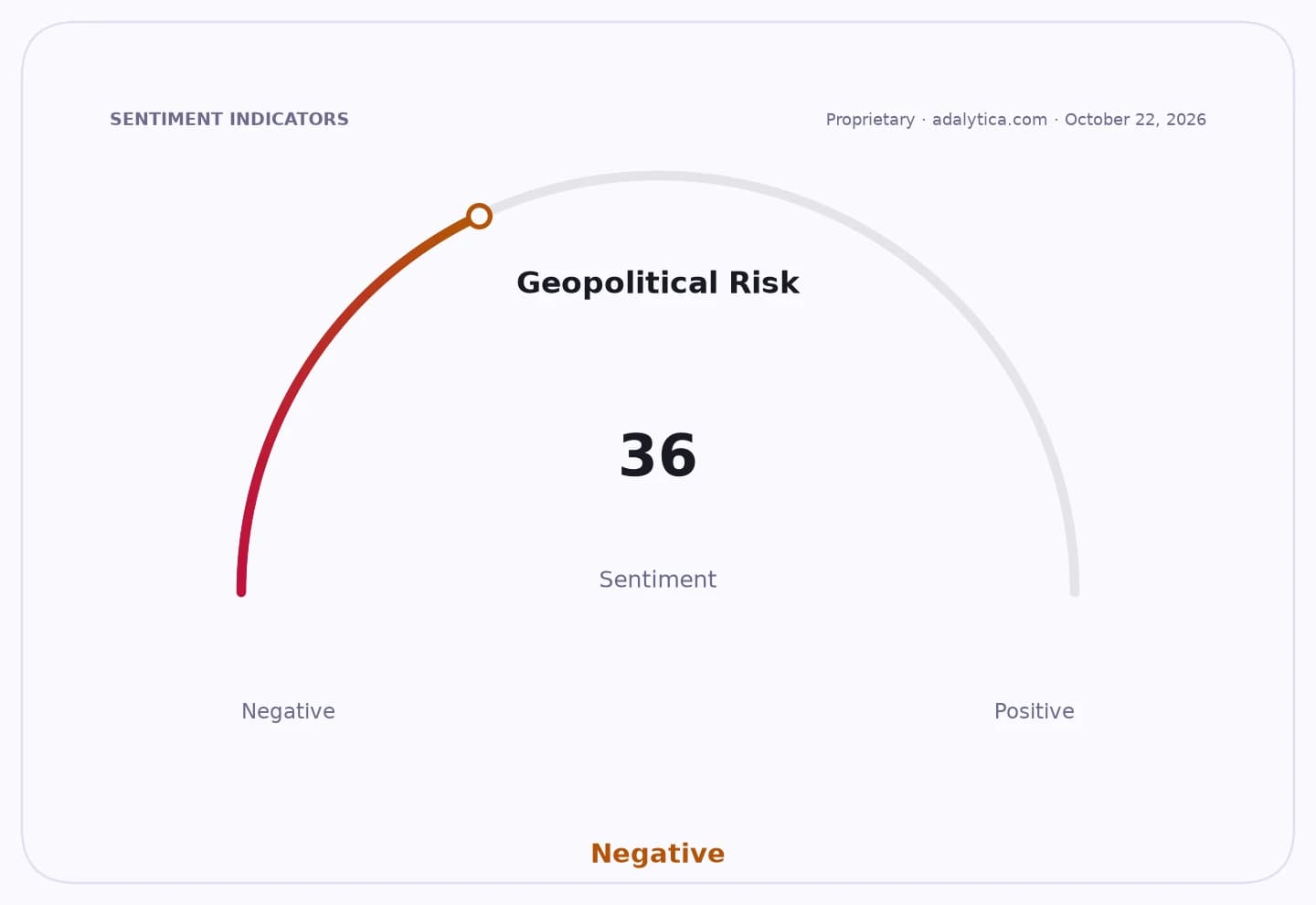
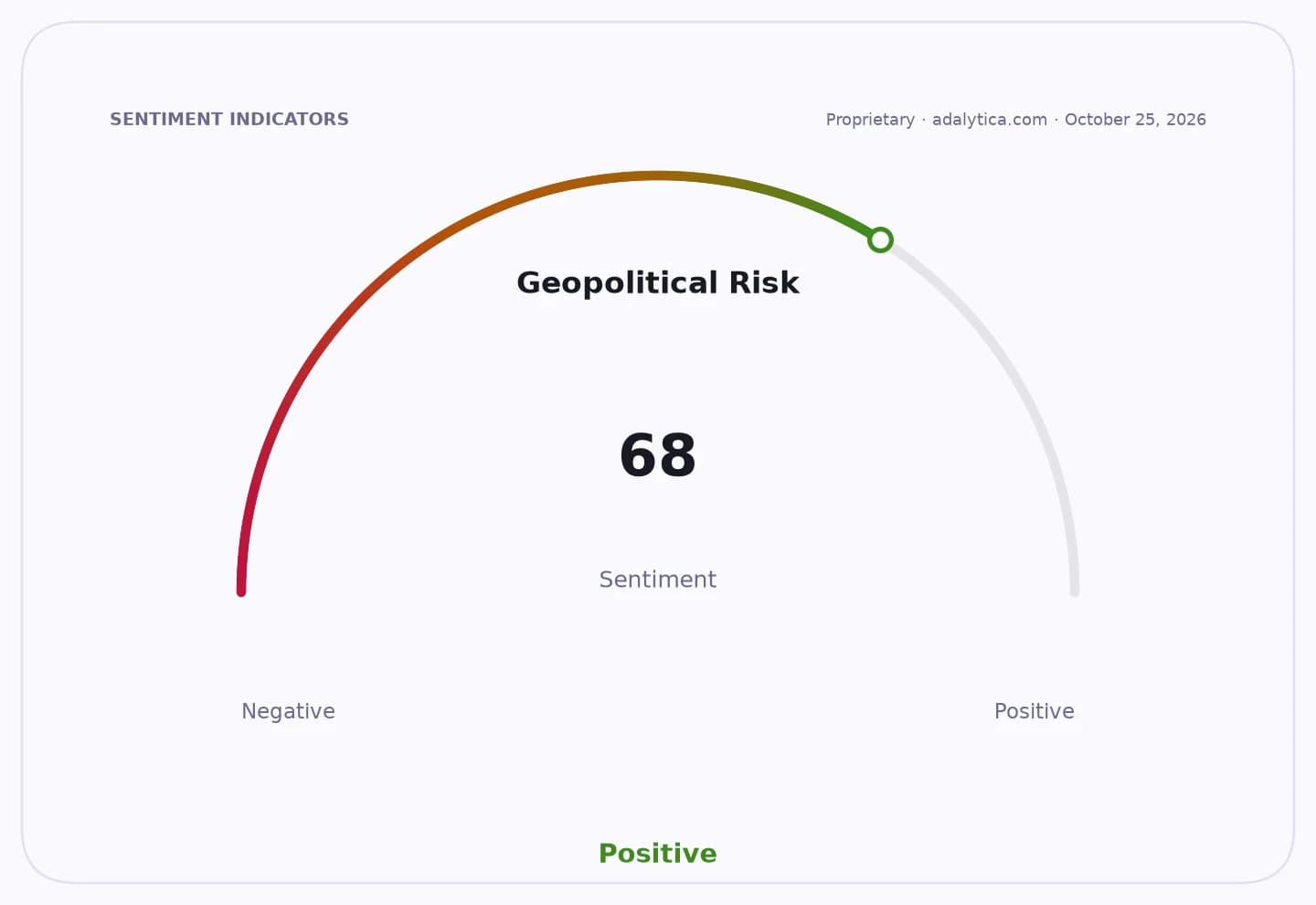
Sentiment IndicatorsⓘProprietary · adalytica.com · October 25, 2026
This is a snapshot — live sentiment, awareness and momentum for 130+ markets update continuously in the dashboard.Open AlphaPulse
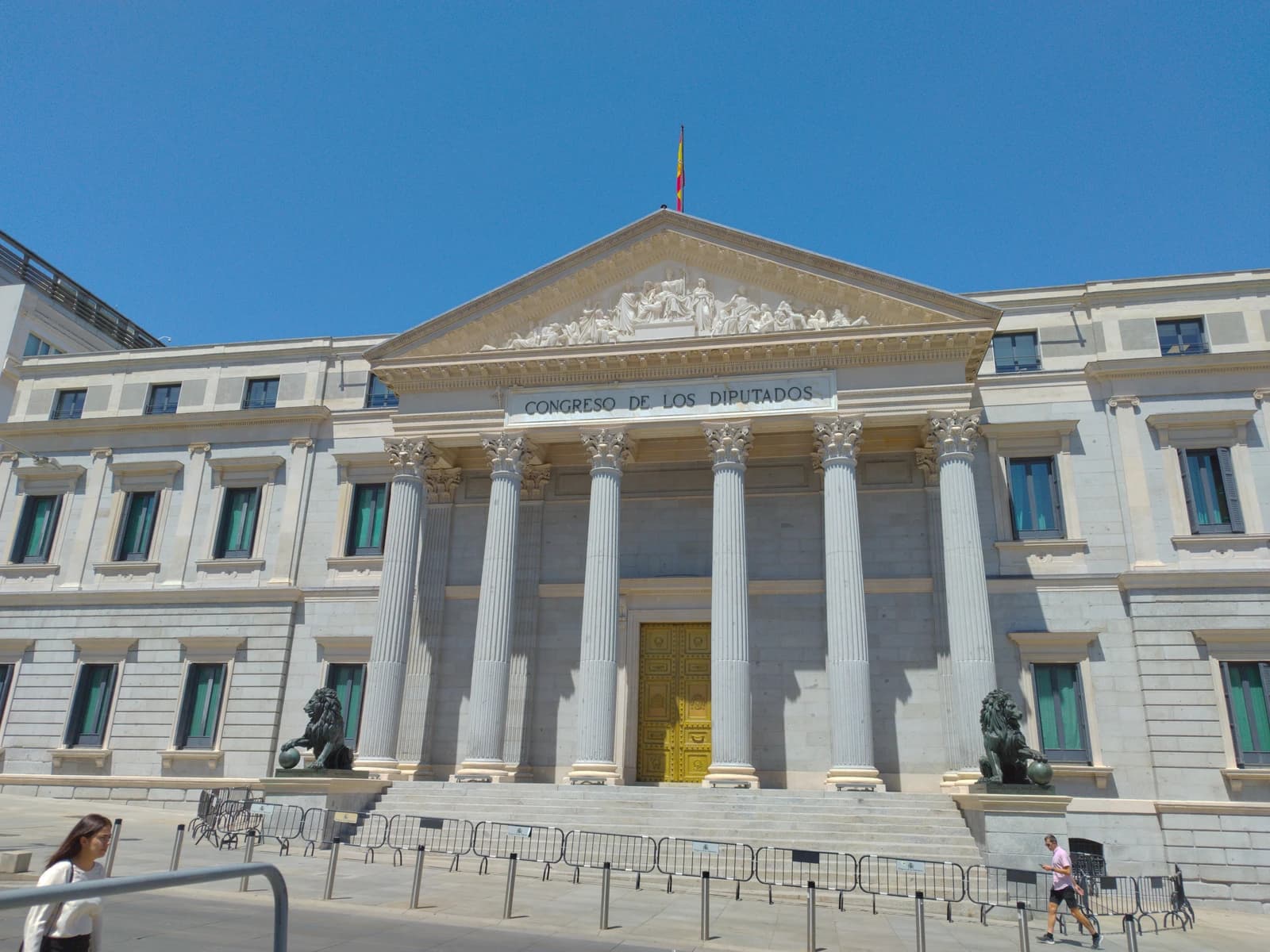
The first sign of friction came from Isabel Díaz Ayuso’s camp, which has not confirmed a meeting with the Argentine president despite Casa Rosada listing it on the itinerary. Santiago Abascal will also miss the planned event at the Fundación Disenso because of campaign travel, leaving Milei to meet instead with Vox secretary-general Ignacio Garriga and the foundation’s director, Jorge Martín Frías. The reduced lineup preserves the relationship, but it strips the visit of the optics Milei wanted most: a high-profile embrace from the faces of Spain’s hard right.
The stakes are larger than protocol. Milei has cultivated a transatlantic network of sympathetic leaders as he pushes his “motosierra” message of deep state retrenchment and spending restraint. In Spain, that message runs into a far more sensitive political environment. Pension policy is a live campaign issue, living standards remain under pressure, and Europe is seeing fresh protests over purchasing power and labor conditions. That makes a public show of ideological alignment with Milei more complicated for mainstream conservatives, even if they share parts of his economic agenda.
For investors, the story is less about immediate market impact than about political transmission. Milei’s willingness to export his brand reinforces the broader case that Argentina’s president is positioning himself as an international standard-bearer for pro-market, anti-establishment politics. But the muted reception in Madrid suggests those ideas still carry political costs in Europe, especially when they intersect with fiscal tightening and social strain. That limits how far his narrative can travel, even among allies.
The trip also arrives as Milei continues to intervene in regional politics, including a fresh warning on Brazil’s election that fit the same pattern of ideological alignment with the global right. The pattern is clear: he is trying to build an external political constituency as a way to amplify his domestic agenda. The problem in Spain is that the constituency is real, but the timing is bad.
For markets, the immediate read-through is modest. The broader implication is that Milei’s international pitch still depends on favorable optics, and those are harder to secure when Europe’s right is on the defensive and campaign arithmetic discourages visible embraces.
| Entity | Gains | Losses |
|---|---|---|
| Javier Milei | ▲international profile | ▼political optics in Madrid |
| Vox | ▲ideological link with Milei | ▼high-visibility campaign moment |
| PP / Ayuso | ▲distance from backlash | ▼chance to showcase alignment |
| Spanish voters | ▲policy scrutiny | ▼cleaner campaign messaging |