Spain’s conservative opposition is moving closer to the far right before an early election that could decide whether the country gets a stable governing majority or another period of political bargaining.
Spain PP Negotiates with Vox Before Election

Alberto Núñez Feijóo, the leader of the People’s Party, confirmed he is negotiating with Vox to avoid competing in key Senate districts, a deal that could help the conservatives secure control of the upper house in the 29 November vote. For investors, that matters because a stronger conservative showing would reduce the odds of legislative gridlock and give markets more clarity on the next government’s tax, spending and regulatory agenda.
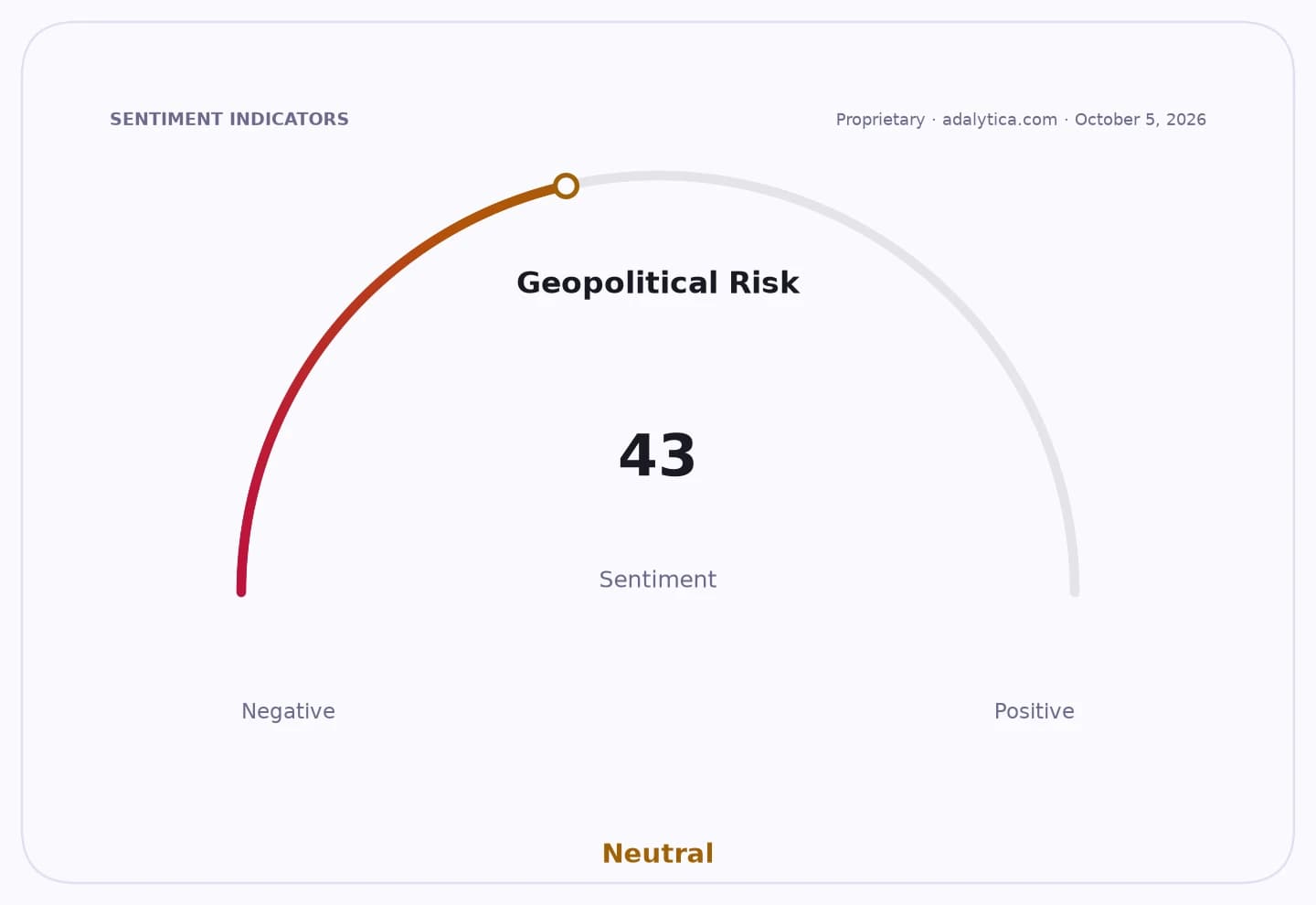
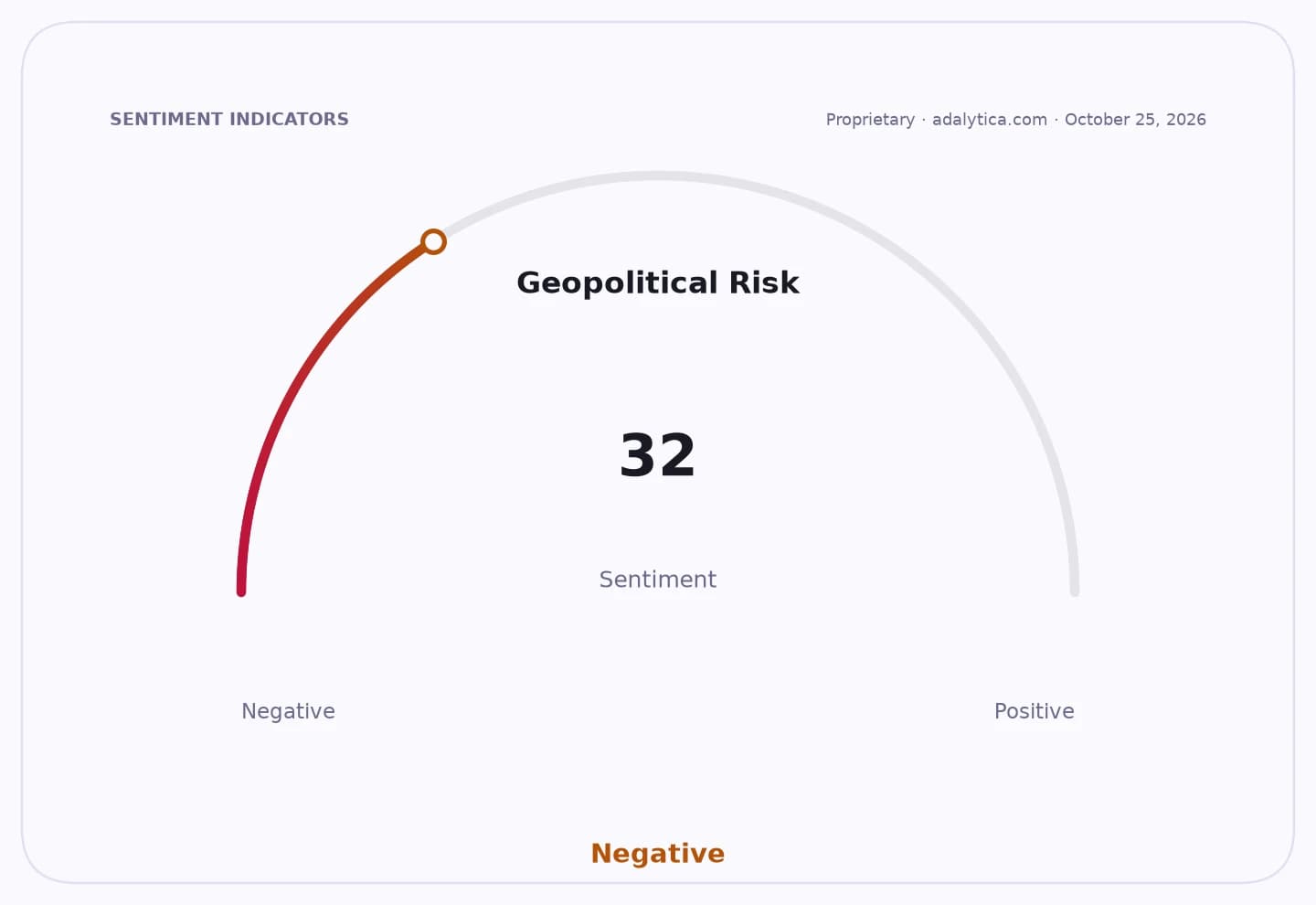
Sentiment IndicatorsⓘProprietary · adalytica.com · October 25, 2026
This is a snapshot — live sentiment, awareness and momentum for 130+ markets update continuously in the dashboard.Open AlphaPulse
Feijóo said both parties are trying to coordinate candidate lists and prevent a split in conservative votes. Vox leader Santiago Abascal, for his part, signaled he is open to talks aimed at stopping Prime Minister Pedro Sánchez’s Socialists from holding onto power. The message is clear: Spain’s right is not just campaigning against Sánchez, it is organizing to maximize seats in a fragmented parliament.
The immediate prize is the Senate, but the broader issue is governability. If the People’s Party finishes first yet falls short of an outright majority, Vox could become the kingmaker in a coalition or confidence-and-supply arrangement. That would likely shift policy to the right on immigration, social spending and regional politics, while also making compromise with the Socialists far more difficult.
Markets tend to dislike uncertainty more than ideology, and Spain’s next government will matter for investors in a country that remains one of Europe’s more important growth stories. The equity market has already shown that domestic politics can move sentiment, but the bigger takeaway is that a clean parliamentary outcome would support business confidence, while a prolonged stalemate would keep political risk elevated.
Sánchez triggered the snap election after his Socialist Party weakened and his housing measures failed in parliament, underscoring how fragile the current governing coalition has become. The campaign now looks set to revolve not only around housing and pensions, but around whether Spain’s center-right is willing to normalize a partnership with Vox to win power.
For long-term investors, the key is not a one-day market reaction but the policy mix that could emerge after the vote. A conservative-led government backed by Vox may bring a different regulatory tone, but it could also bring more legislative discipline if it ends the current deadlock. That is why Spain’s election is worth watching closely, especially for anyone looking at European equities, banks and domestic consumer plays over the next several years.
| Entity | Gains | Losses |
|---|---|---|
| People’s Party | ▲Better Senate odds | ▼Image risk from Vox talks |
| Vox | ▲More influence in government | ▼Senior partner status remains unlikely |
| Sánchez’s Socialists | ▲Can frame right-wing alliance as threat | ▼Governing position and momentum |
| Spanish investors | ▲Potential policy clarity | ▼Higher coalition uncertainty |