Mexico’s push to let citizens help audit public spending is gaining traction at a time when confidence in institutions and household sentiment are both under severe strain, making transparency in how tax money is allocated a political and economic issue rather than a civic slogan.
Mexico citizen audit plan gains traction

Mexico Evalúa, in partnership with the Alianza por la Justicia Fiscal, launched “Auditoría Ciudadana: ¿a dónde va nuestro dinero?”, a participatory method designed to collect public priorities on spending and feed them into the formal oversight process. The group says the aim is to bring ordinary people into decisions over health, public safety, utilities, social policy and education — the areas most likely to shape welfare and social stability.
Sentiment Indicators
The timing matters. Mexico’s fiscal debate has become more sensitive as governments face pressure to do more with limited resources, while citizens increasingly demand visible returns from taxes. A system that channels public input into oversight could help narrow the gap between budget decisions and social priorities, and in the best case reduce waste and improve the legitimacy of watchdog institutions. For policymakers, that can translate into more durable support for spending decisions. For investors, it is another signal that fiscal accountability and social trust are becoming central to the operating environment.
The proposal is not a binding audit reform, but it is intended as a technical input for fiscal authorities. Mexico Evalúa argues that participation can give control institutions more legitimacy and social value, citing backing from the UN, Intosai and Olacefs for broader citizen involvement in oversight. That reflects a wider regional trend toward opening formerly specialist processes to public scrutiny, particularly where corruption risks and weak service delivery have damaged confidence.
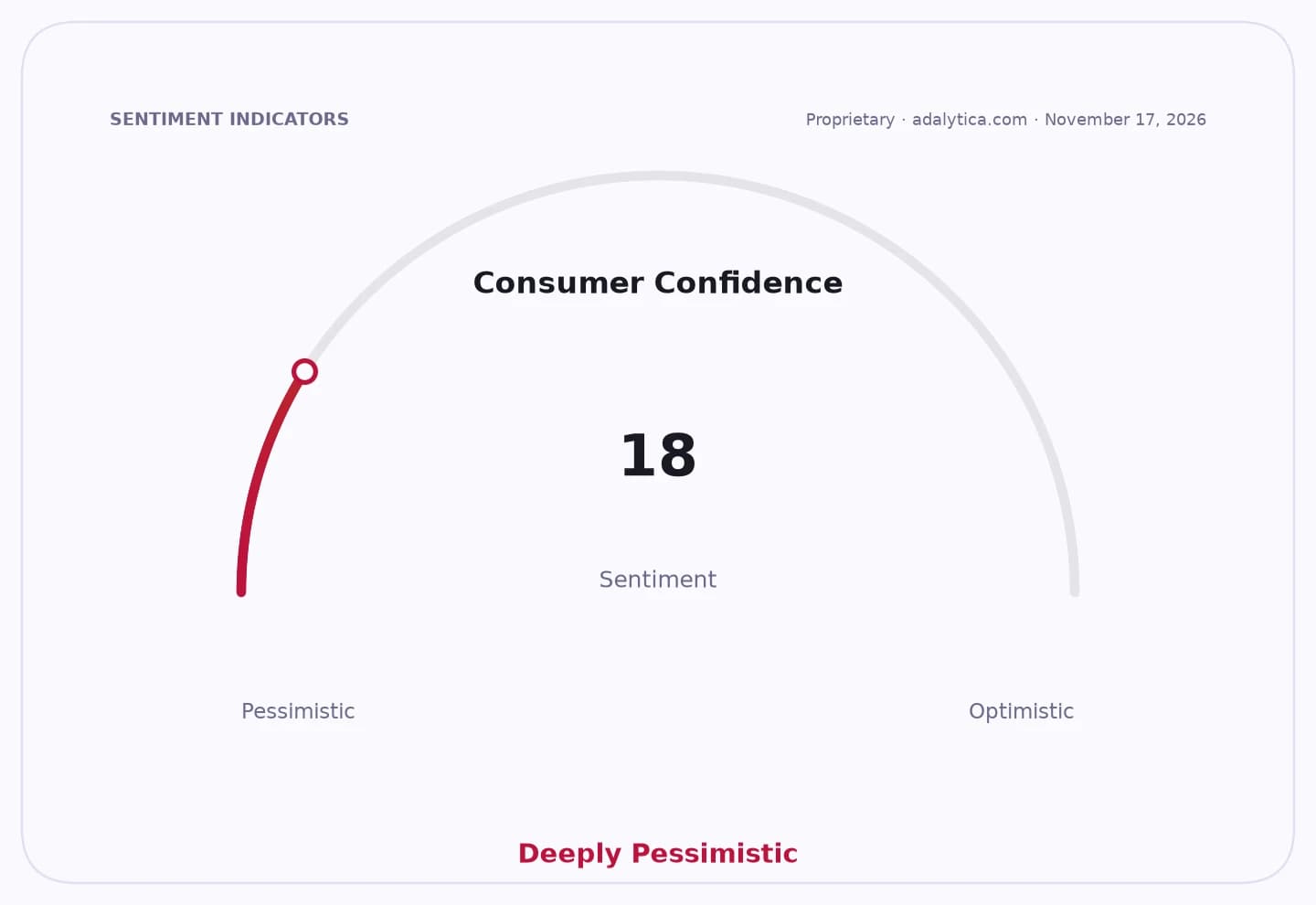
The initiative also comes amid a broader deterioration in consumer mood, with Adalytica’s Consumer Spending Sentiment gauge at 7, or “Extreme Fear,” and the Consumer Confidence Recession Sentiment measure at 4. Both indicators point to a deepening caution among households, a backdrop that makes better-targeted public spending more economically important. If citizens believe tax money is being directed toward visible priorities such as security, healthcare and education, the fiscal state may gain some room to preserve social stability. If not, pressure for austerity, protest or redistribution intensifies.
For markets and policymakers, the key question is whether citizen participation becomes a real governance tool or remains a consultative exercise. If it is adopted seriously, it could improve budget efficiency, strengthen oversight and support institutional credibility. If it is not, it risks becoming another transparency initiative with limited enforcement power. The economic stakes are straightforward: in an environment of tight budgets and fragile confidence, the credibility of how public money is spent can matter as much as the amount itself.
| Entity | Gains | Losses |
|---|---|---|
| Citizens | ▲More say over priorities | ▼Less opaque budgeting |
| Oversight bodies | ▲Greater legitimacy | ▼Less closed decision-making |
| Taxpayers | ▲Better accountability | ▼Waste and misallocation |
| Government agencies | ▲Stronger trust if adopted | ▼Discretion over spending |