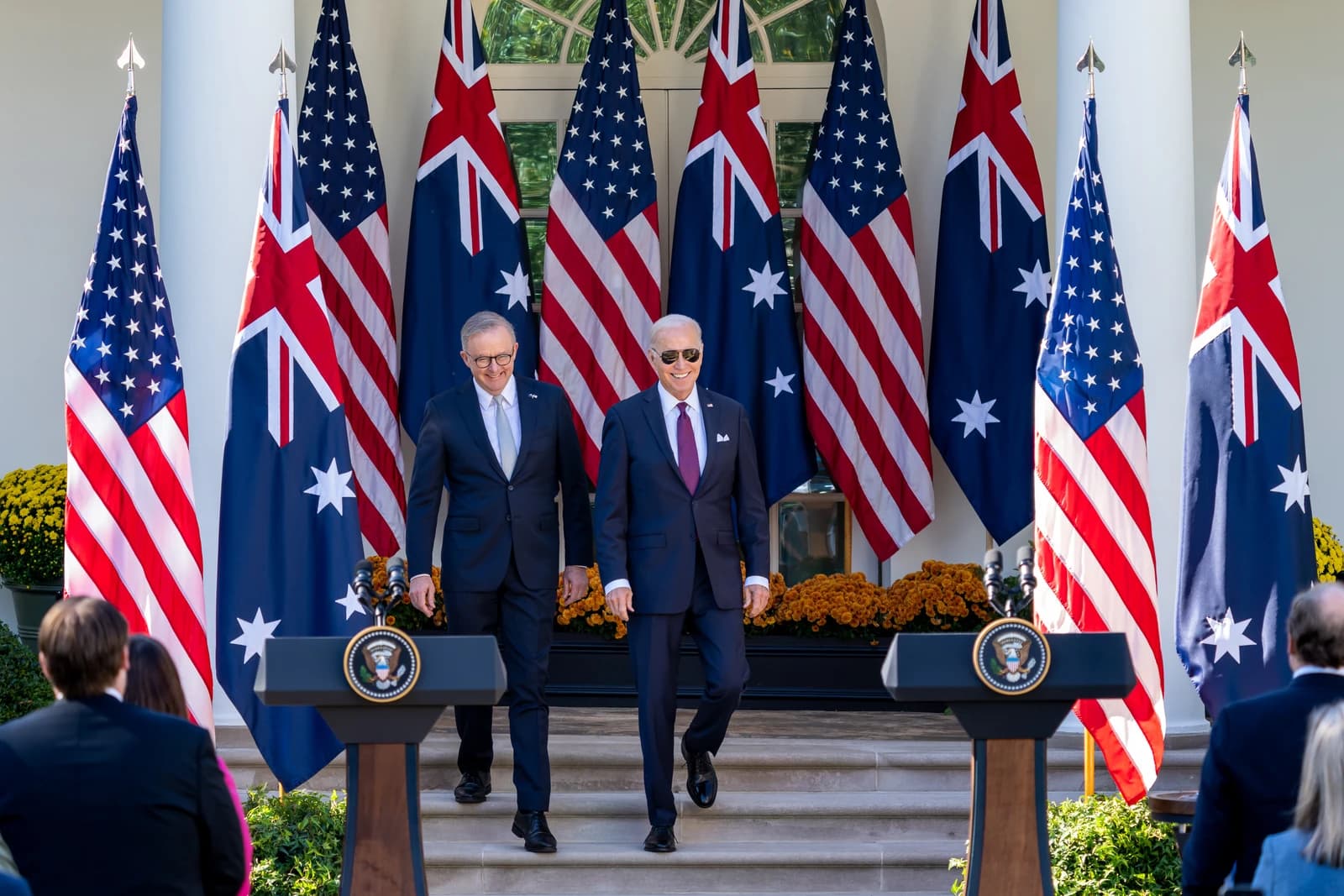
Australia’s treasurer is signaling deeper spending restraint, a shift that matters because fiscal policy is now being cast as part of the fight against inflation and, by extension, interest rates.
Australia MYEFO Spending Cuts and Inflation
Consumer Confidence
Jim Chalmers is under growing political pressure to use the midyear budget update, or MYEFO, to produce “net savings” rather than cosmetic offsets, after the opposition argued government outlays are adding to demand at a time when households and small businesses are still being squeezed. The Coalition says it has already identified A$31.3 billion of savings, and is pushing for a “mini-budget” rather than minor adjustments.
Sentiment Indicators
Consumer Spending
The economic logic is straightforward. If government spending stays elevated while inflation remains sticky, the Reserve Bank of Australia has less room to ease policy, keeping borrowing costs high for longer. That matters for mortgage holders, retailers and small firms that have already absorbed a sharp rise in financing costs and weakened consumer demand. It also helps explain why calls for spending cuts are intensifying as central banks globally stay wary of declaring victory over inflation too early.
That backdrop has broader market relevance. Persistent inflation tends to support the Australian dollar in relative yield terms, but it also crimps domestic growth and pressure-sensitive sectors such as housing, consumer discretionary and construction. For equities, the message is mixed: fiscal restraint could eventually lower bond yields and improve rate-sensitive valuations, but only if it is credible enough to reduce inflation expectations without tipping the economy into a sharper slowdown.
Investors will be watching whether the government delivers genuine savings or simply reshuffles spending. A credible reduction in outlays would be positive for inflation and longer-dated interest rates, while a watered-down package would reinforce the market view that policy remains too expansionary for the current price backdrop. The next catalyst is MYEFO itself, which will determine whether the treasurer’s rhetoric becomes a real fiscal brake or just another political talking point.
| Entity | Gains | Losses |
|---|---|---|
| Households and small businesses | ▲Lower inflation pressure | ▼Higher interest costs |
| RBA / bond markets | ▲Easier disinflation path | ▼Less policy flexibility if spending stays high |
| Government budget hawks | ▲Credibility on savings | ▼Political room for spending |
| Rate-sensitive sectors | ▲Potentially lower yields later | ▼Slower demand now |