Argentina’s push to stabilise the economy is colliding with the lesson that disinflation can be long, politically costly and only partly under a government’s control.
Argentina Inflation Reform Lessons From Greece and Australia

At a central bank conference in Buenos Aires, officials and former policymakers from Greece and Australia argued that lasting price stability usually comes only after years of painful adjustment, and that the payoff for reforms may take decades rather than months. For President Javier Milei, who has made slashing inflation the centrepiece of his programme, the message was blunt: even the right policy mix can leave households poorer in the near term and markets frustrated by the pace of improvement.
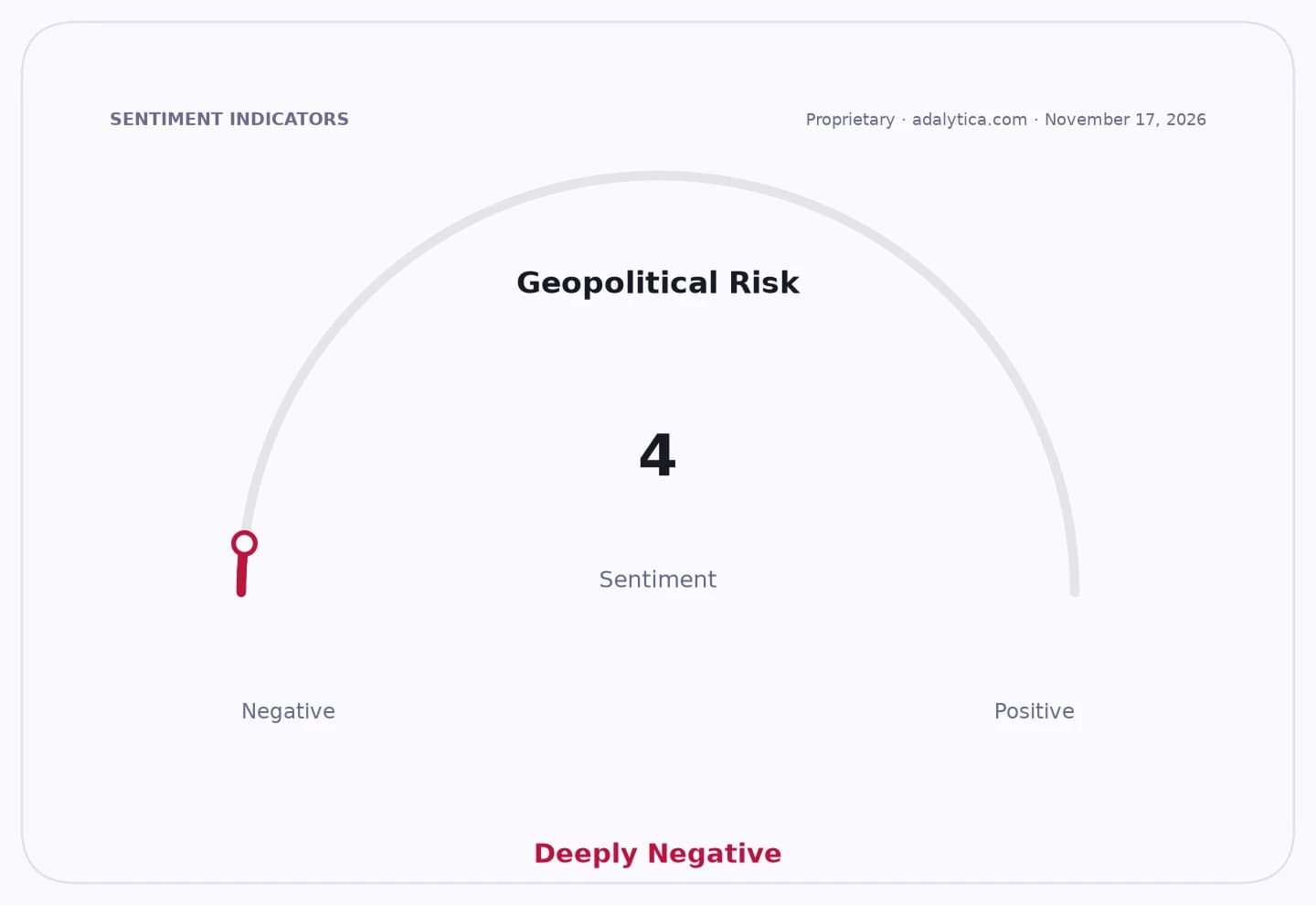
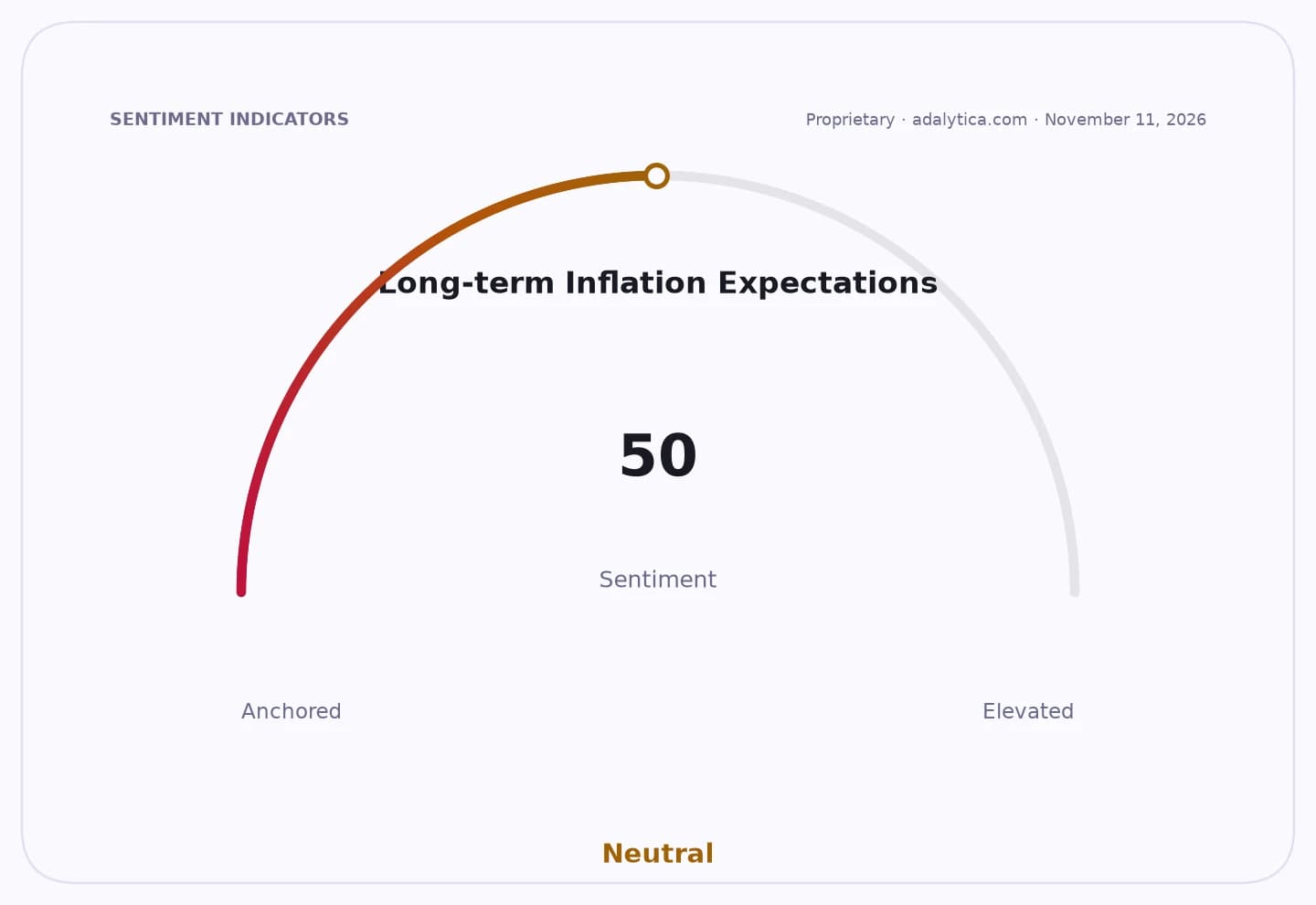
Sentiment Indicators

Yannis Stournaras, governor of the Bank of Greece, said his country’s 2010-2017 crisis forced a brutal internal devaluation because it could not devalue its currency inside the euro zone. Nominal wages had to be cut to restore competitiveness, compressing purchasing power and consumption. The result was unemployment that neared 28% in 2013, youth unemployment around 60%, a 26% fall in real GDP per capita and a 36% drop in households’ disposable income.
The fiscal repair was equally severe: Greece’s structural primary balance swung from a deficit of 13% of GDP in 2009 to a surplus of 2% in 2012 and almost 6% in 2016. Yet the recovery of investment-grade status was slow, with the country losing it in 2010 and regaining it only in 2023. Stournaras said the political lesson was that reforms need leaders willing to explain why they matter, share the costs fairly and sequence product-market changes ahead of or alongside labour reforms.
Wages
For Argentina, where inflation remains entrenched and the recovery is uneven, that is more than academic. A painful adjustment can restore macro stability, but it does not quickly rebuild incomes, credit demand or private investment. That matters to investors because the political durability of Milei’s programme may depend less on headline inflation than on whether output and real wages start improving before social support fades.
Ian Macfarlane, former governor of the Reserve Bank of Australia, offered a second cautionary tale. Australia’s liberalisation was not a crisis fix but a long overhaul of a system that included a fixed exchange rate, capital controls, interest-rate ceilings and a central bank without full independence. The reforms brought a market-based exchange rate, removal of capital controls and a direct inflation target, but Macfarlane said the payoff was not immediate. Inflation settled into a 2% to 3% range over three decades, averaging about 2.4%, while the economy ultimately enjoyed nearly 28 and a half years of expansion between 1991 and 2019.
His warning was that disinflation was not painless. “I don’t know any other country that could have done it without having some recession,” he said, underlining the trade-off Milei also faces as Argentina tries to bring monthly inflation down from around 2% while reviving activity.
That tension is already visible in markets. Argentine global bonds have had their worst week in more than a year as investors weigh persistent inflation, rising spending pressures and political uncertainty ahead of next year’s presidential election. The ARGT ETF, which tracks Argentine equities, has slumped to 49.82 from 96.39 in July, while technical indicators such as the 50-day and 200-day moving averages and a deeply oversold RSI point to severe risk aversion rather than a clean turnaround. The dollar’s move in local trading underscores the same message: investors are still pricing fragility, not vindication.
| Entity | Gains | Losses |
|---|---|---|
| Milei government | ▲Inflation credibility if reforms hold | ▼Short-term growth and political patience |
| Argentine consumers | ▲Potentially lower inflation later | ▼Real wages and consumption now |
| Bondholders and equity investors | ▲Longer-term policy stability | ▼Near-term volatility and drawdown risk |
| Reform opponents | ▲Political room if pain deepens | ▼Credibility if inflation keeps easing |