The war is still doing the heavy lifting in Australia’s inflation story, and that means the mid-year budget update now has to help do more of the economic work.
Australia inflation update as oil prices rise

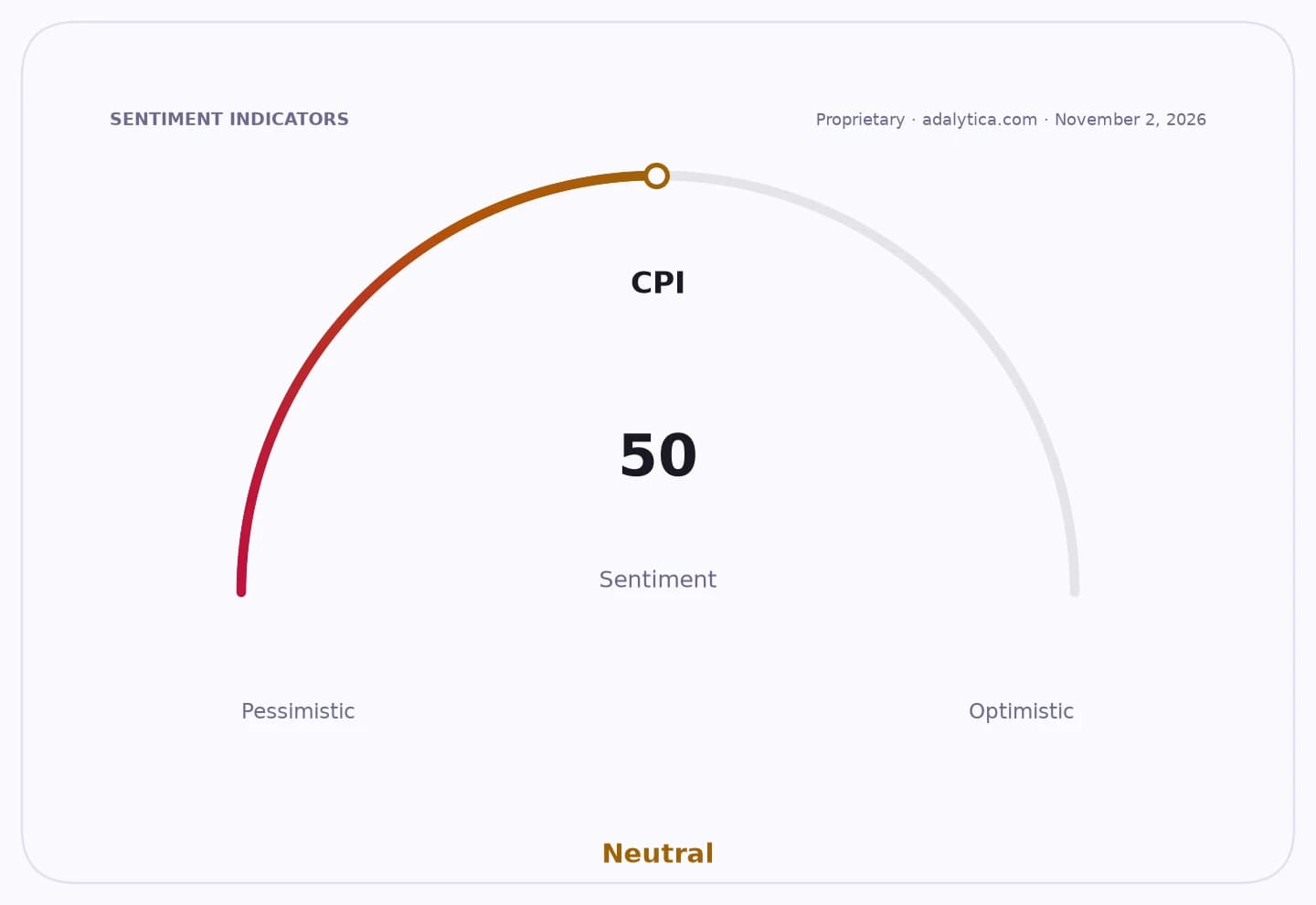
When fuel is the biggest driver of headline inflation, fiscal restraint stops being an abstract political virtue and becomes a real macroeconomic tool. Higher oil prices are feeding through the economy, lifting transport and goods costs and keeping pressure on household budgets just as the Reserve Bank of Australia tightens again. That combination is why the budget matters: it can either lean against inflation or add to it.
Sentiment Indicators
The numbers in the government’s argument point to a clear external shock. Officials say fuel prices jumped 9.4% in a month and nearly 24% over the year, while the RBA’s oil-price assumption for the December quarter has been revised up to just under $110 a barrel from about $81 in August. That is not a small forecast drift. It is the sort of move that changes the inflation outlook, forces rate expectations higher and squeezes real incomes.
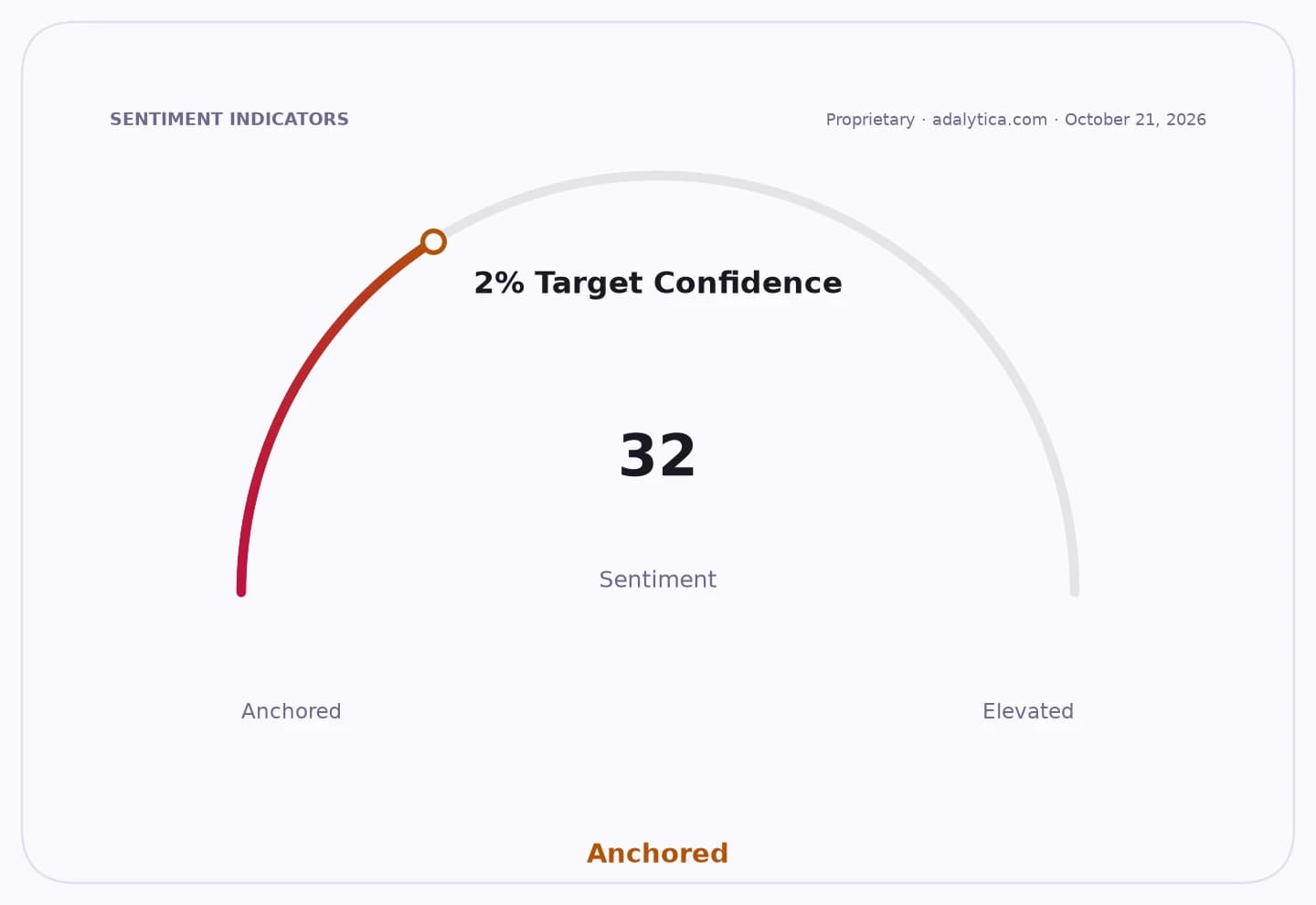
For investors, the immediate lesson is that inflation is not fading simply because domestic demand is cooling. Oil at around $100 a barrel is a reminder that global supply shocks still dominate the near term, and that central banks can only do so much when geopolitics is setting the price of energy. The recent slide in confidence measures tied to inflation expectations underscores how fragile the psychology remains. When inflation confidence falls sharply, markets tend to reprice bonds, rate-sensitive sectors and consumer spending assumptions quickly.
CPIAUCSL vs DCOILWTICO — macro contextadalytica.com
Explore this data interactively — full history, time series and cross-market comparisons.
That is where the budget takes on outsized importance. The government is promising savings in the update, arguing that public demand growth has already been downgraded and that fiscal discipline can help ease pressure on inflation. If spending restraint is credible, it can help the RBA by avoiding an added demand impulse at a time when fuel is already doing inflationary damage. If it is not, the central bank is left carrying the burden alone.
The political fight around this is predictable, but the economic logic is straightforward. A war-driven oil shock cannot be offset by budget cuts alone, yet a budget that avoids stoking demand can still matter at the margin. That is especially true in an economy where rates are already biting, household budgets are stretched and inflation is proving stickier than policymakers hoped.
For long-term investors, the key takeaway is not to chase every inflation headline, but to watch whether fiscal restraint and monetary tightening work together or against each other. Energy prices, bond yields and consumer-sensitive stocks will remain exposed to that mix. If the government delivers real savings and oil eases, Australia gets a cleaner path back toward the inflation target. If not, the pressure on households, rates and valuations lasts longer than many would like. Worth watching, and worth remembering that inflation rarely yields to one lever alone.
| Entity | Gains | Losses |
|---|---|---|
| Australian government | ▲Fiscal credibility | ▼Political comfort |
| Reserve Bank of Australia | ▲Less demand pressure | ▼Little relief from oil shock |
| Households | ▲Slower inflation if savings work | ▼Higher fuel and rate costs |
| Energy producers | ▲Higher realized prices | ▼Consumers and rate-sensitive sectors |