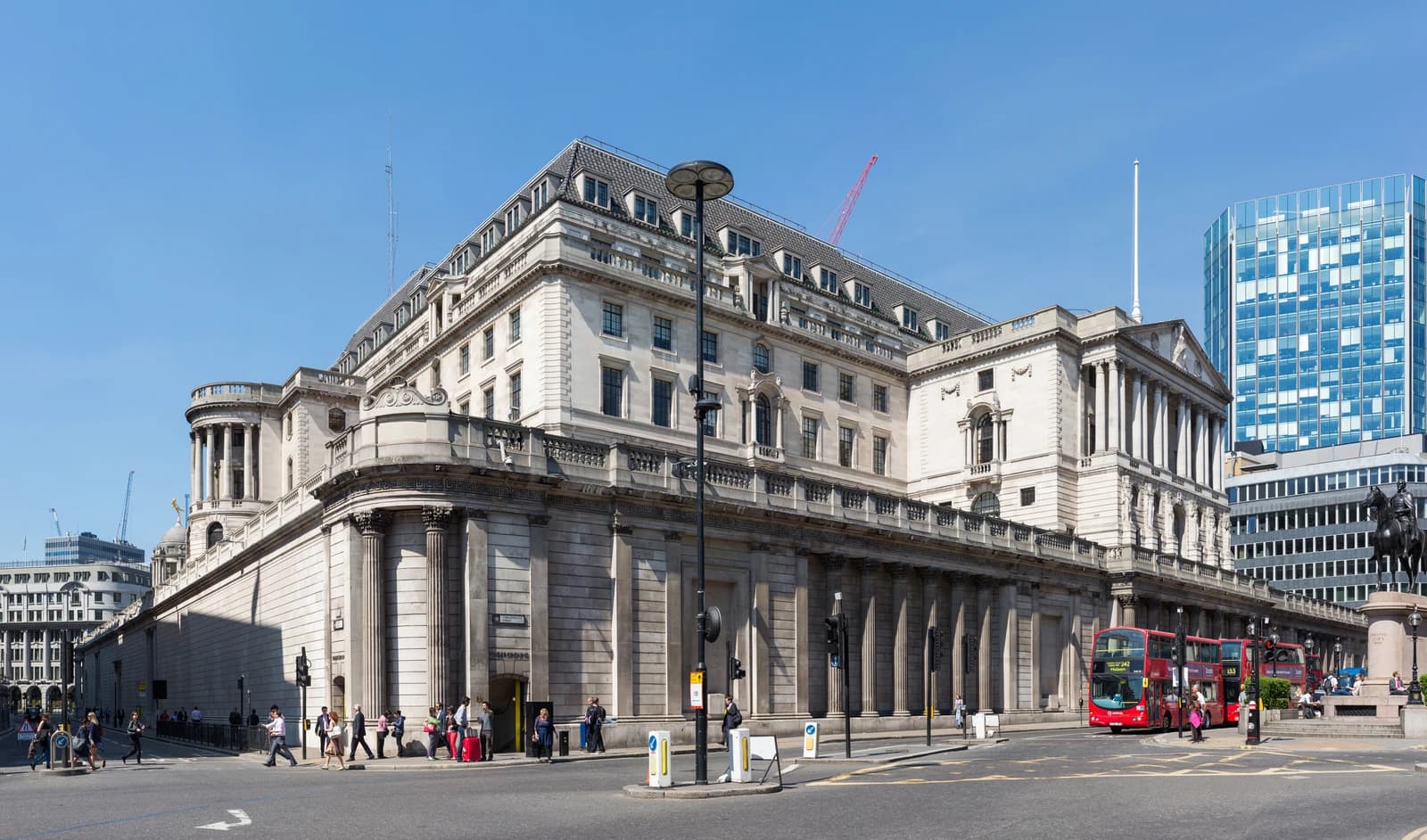
The Bank of England is expected to raise interest rates to 4% on Thursday, the first increase in more than three years, after a renewed surge in energy costs pushed UK inflation back above forecasts and forced policymakers to reprice the risks to growth and household spending.
Bank of England expected to raise rates to 4%

The move would lift borrowing costs by a quarter point from 3.75% and bring the BoE into line with other major central banks that have resumed tightening as conflict in the Middle East and related disruptions to energy supply feed through to fuel prices. For investors, the significance is less about the size of the hike than the signal: inflation is proving sticky again, and the BoE is prepared to lean against it even as the economy faces higher input costs, weaker consumer confidence and pressure on real incomes.
Sentiment Indicators
Britain’s annual inflation rate accelerated to 3.5% in September, above expectations, with surging fuel prices doing most of the damage. Analysts now expect inflation to move toward 4% early next year, which would keep the BoE under pressure to prevent a second-round wage-and-price cycle from taking hold. That matters economically because energy shocks hit both sides of the economy at once: they lift headline inflation and squeeze household purchasing power, while also raising costs for businesses that rely on transport, manufacturing and imported inputs.
The BoE’s forecast update will be closely read for whether policymakers see the recent inflation pickup as temporary or the start of a broader setback in disinflation. Nomura’s George Buckley expects the bank to raise its near-term inflation and growth projections, while warning that higher energy prices could still weaken the medium-term outlook. That tension is central to the policy debate. A more hawkish reading would support sterling and gilt yields but risk deepening the slowdown; a more cautious stance would protect growth but could leave the bank looking behind the curve if energy costs keep climbing.
Markets have already been adjusting to the prospect of tighter policy. Gilt prices have been volatile as investors reassess the path for rates, and the broader global backdrop has turned less benign for duration assets as the Federal Reserve and European Central Bank also remain focused on inflation persistence. Australia’s rate increase to an 18-year high this week reinforced the message that central banks are not done.
For UK borrowers, the immediate effect is another stretch of elevated mortgage, corporate and consumer financing costs just as energy bills are set to rise for millions of households. For equity investors, that combination is usually unfavorable for domestically exposed sectors such as retail, housing and leisure, while banks may gain from higher rates if credit quality holds up. The key question now is whether this is a one-off defensive hike or the start of a renewed tightening cycle if inflation continues to surprise to the upside.
| Entity | Gains | Losses |
|---|---|---|
| UK savers | ▲Higher deposit yields | ▼Delayed relief on inflation |
| UK borrowers | ▲— | ▼Higher mortgage and loan costs |
| Banks | ▲Wider lending margins | ▼Higher credit-risk exposure |
| Domestic retailers/households | ▲— | ▼Weaker real incomes and spending |