Britain’s services sector regained momentum in October, with activity rising to an eight-month high and reinforcing the case that the economy is still expanding even as inflation pressure keeps the Bank of England on edge.
UK Services PMI Rises to Eight-Month High

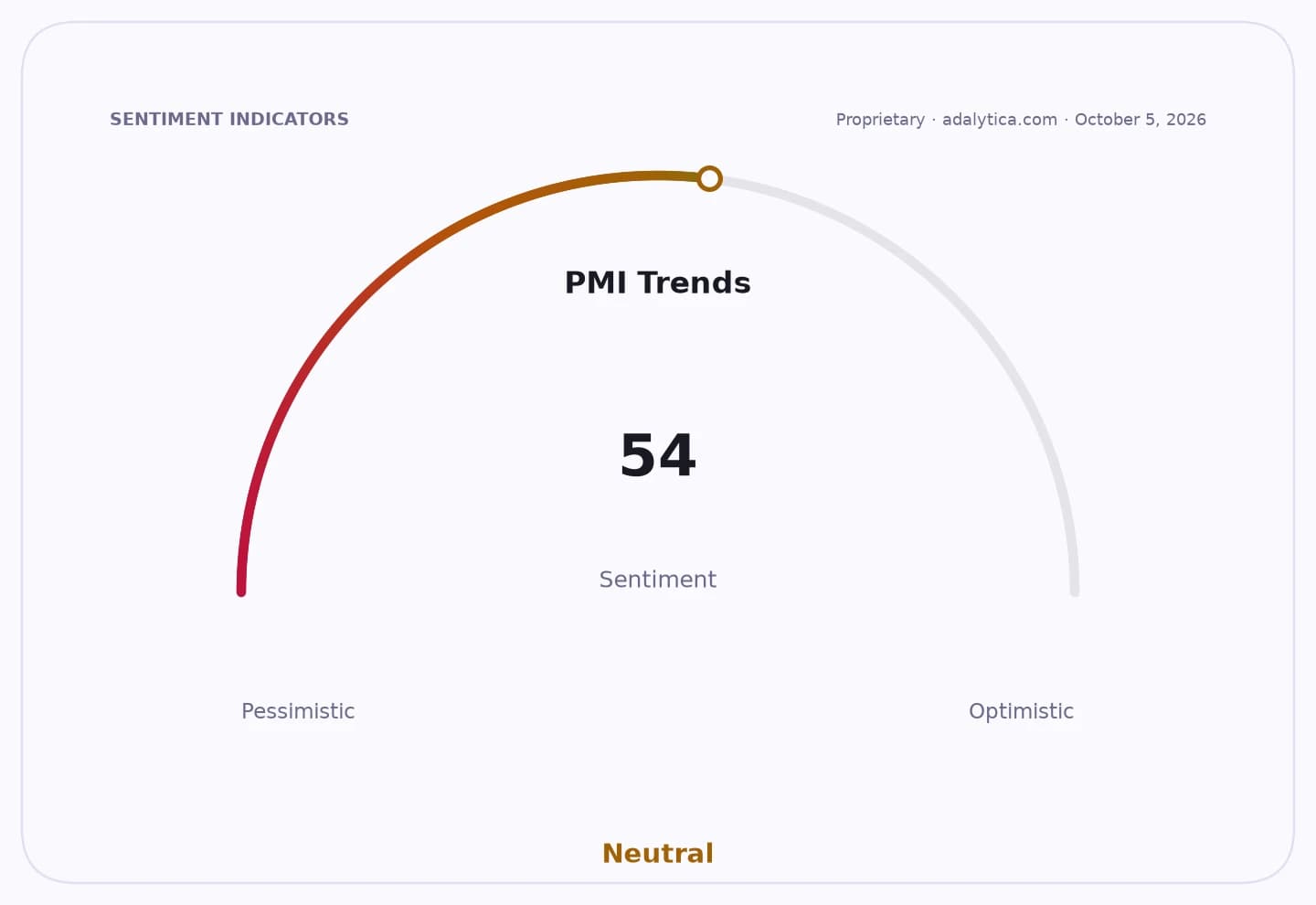
The S&P Global UK Services PMI business activity index climbed to 52.8 from 52.1 in September, its strongest reading since February and above the 50 mark that separates growth from contraction. While the survey still pointed to growth below the long-run average of 54.2, the improvement matters because services account for the bulk of UK output and are the clearest read-through for domestic demand, hiring and pricing power.
Sentiment Indicators
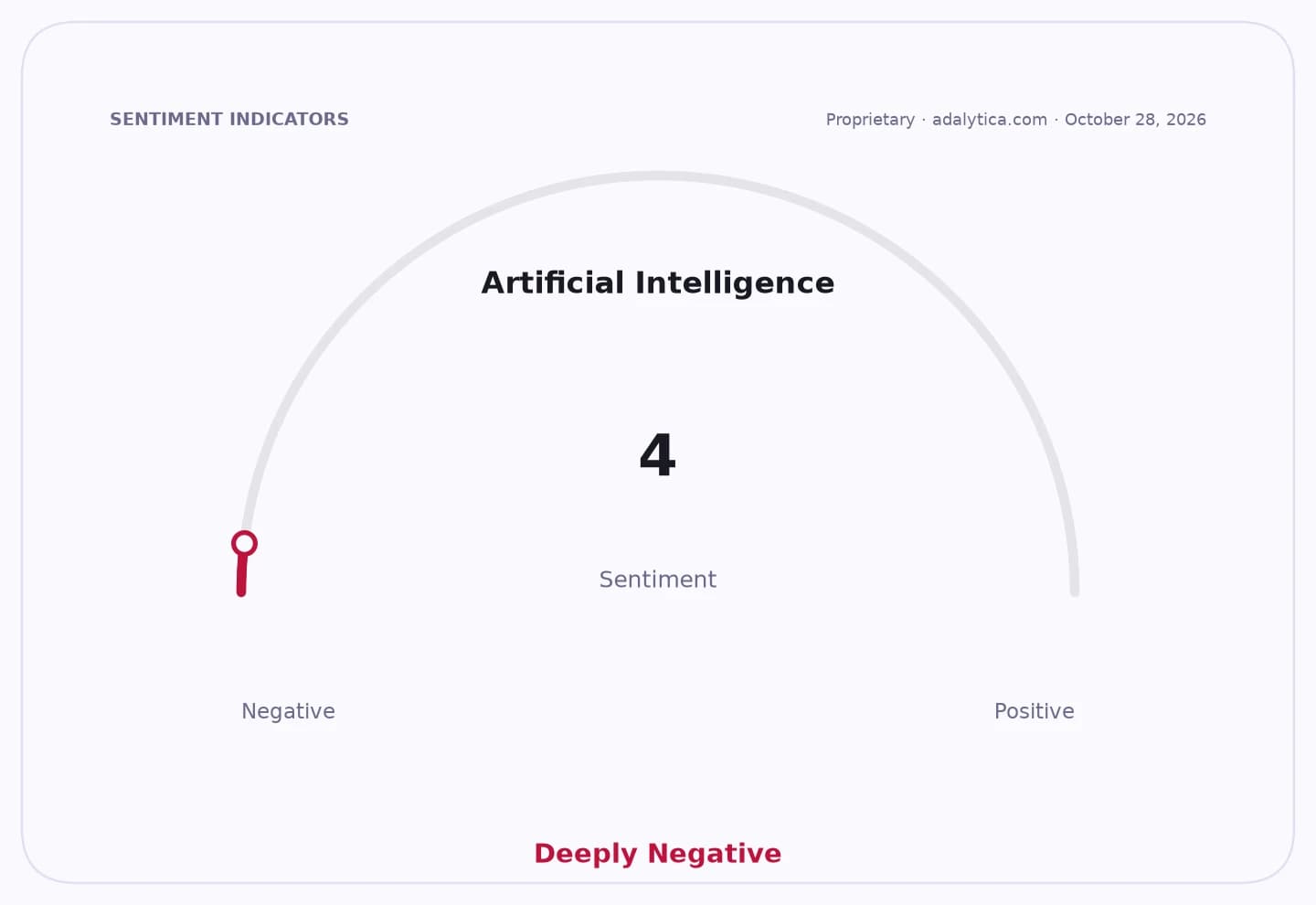
The rebound was driven by firmer customer demand and a fourth straight month of rising new business, which expanded at the fastest pace since January. Some companies also cited orders linked to investment in artificial intelligence, suggesting business spending is beginning to filter through into services activity. Employment rose for the first time in just over two years, although job creation remained marginal as firms continued to focus on costs and efficiency rather than broad-based expansion.
For the Bank of England, the more important signal is that demand is improving at the same time as price pressures are intensifying. S&P Global said October data showed faster output growth and stronger inflationary pressure across the UK services economy, echoing trends in manufacturing. That combination strengthens expectations for tighter monetary policy, because it reduces the scope for the central bank to cut rates quickly even if growth remains modest.
Markets will read the data through that policy lens. A stronger services reading is supportive for cyclical UK assets and for domestically exposed companies, but it also reinforces the risk that borrowing costs stay higher for longer. That is a mixed outcome for equities: banks and firms with pricing power may benefit from a firmer activity backdrop, while consumer-facing businesses and interest-rate sensitive sectors could remain under pressure if the BoE keeps policy restrictive.
The broader picture remains one of uneven growth rather than a clean acceleration. Britain’s services sector is improving, but not yet strongly enough to signal a decisive upswing, and the survey suggests firms are still balancing better orders against cost discipline. The next test is whether the improvement in demand can hold through year-end without forcing a sharper policy response from the BoE.
| Entity | Gains | Losses |
|---|---|---|
| UK services firms | ▲Stronger orders and activity | ▼Higher wage and input costs |
| Bank of England | ▲More evidence of sticky inflation | ▼Less room to cut rates |
| Domestic banks | ▲Firmer credit and activity backdrop | ▼Risk of slower rate-sensitive lending |
| Consumers and borrowers | ▲Some evidence of economic resilience | ▼Higher-for-longer borrowing costs |