The U.S. economy is still expanding at a brisk pace, with S&P Global’s composite PMI easing to 57.6 in October from 58.4 in September but remaining close to the strongest readings seen in roughly five years.
U.S. PMI Eases But Stays Near Five-Year High

The flash reading points to continued momentum across business activity, even as growth cools slightly from last month’s pace. Services, which make up the bulk of U.S. output, slipped to 57.9 from 58.8, while manufacturing ticked up to 56.0 from 55.9, the best level since May 2022.
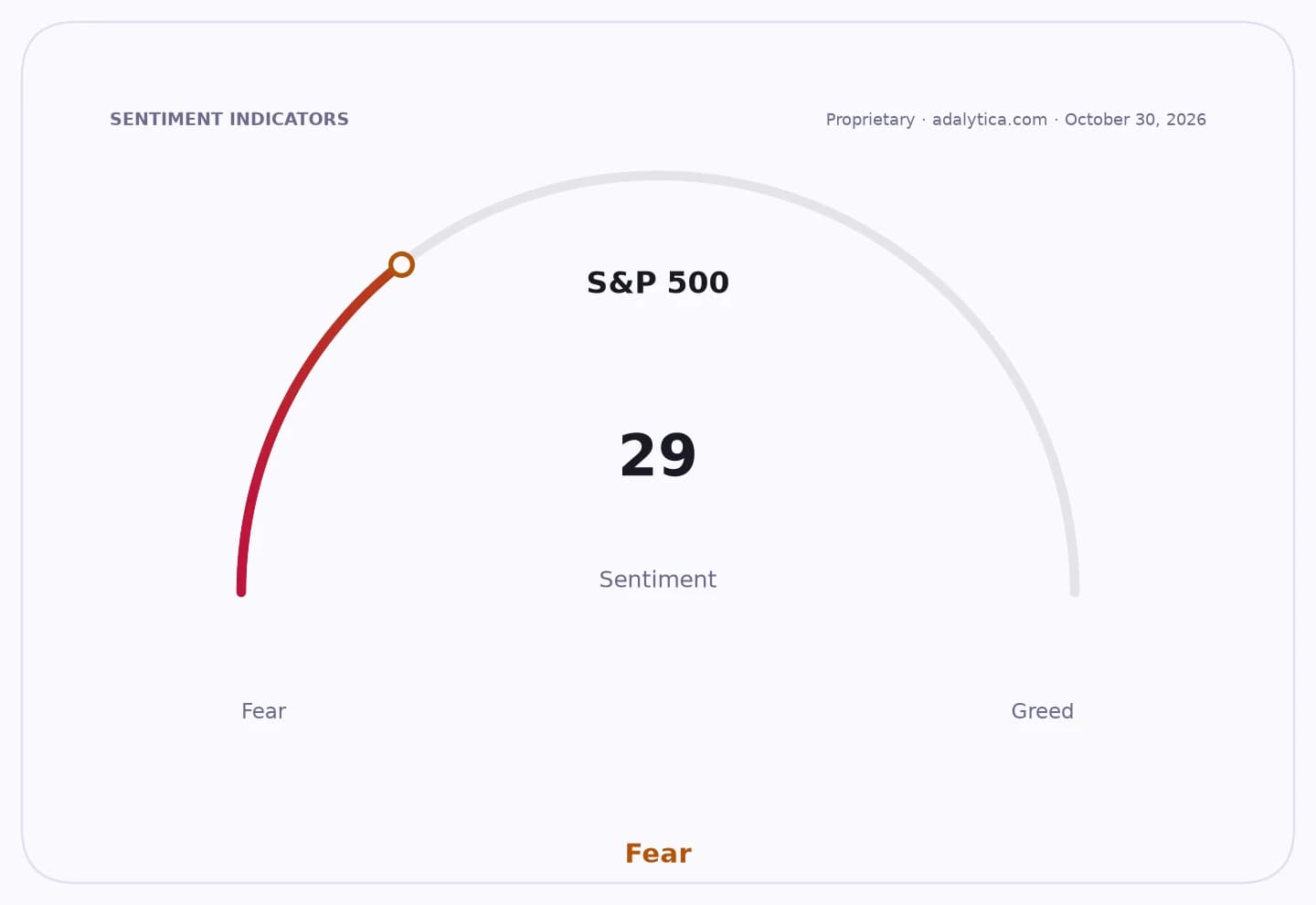
Sentiment Indicators

That combination matters because it suggests the U.S. expansion is broad enough to keep supporting corporate revenues, hiring and capital spending, even with borrowing costs still elevated. The data also fit with the stronger-than-expected 3.4% annualized GDP growth in the third quarter, reinforcing the view that U.S. demand remains resilient despite tighter monetary policy.
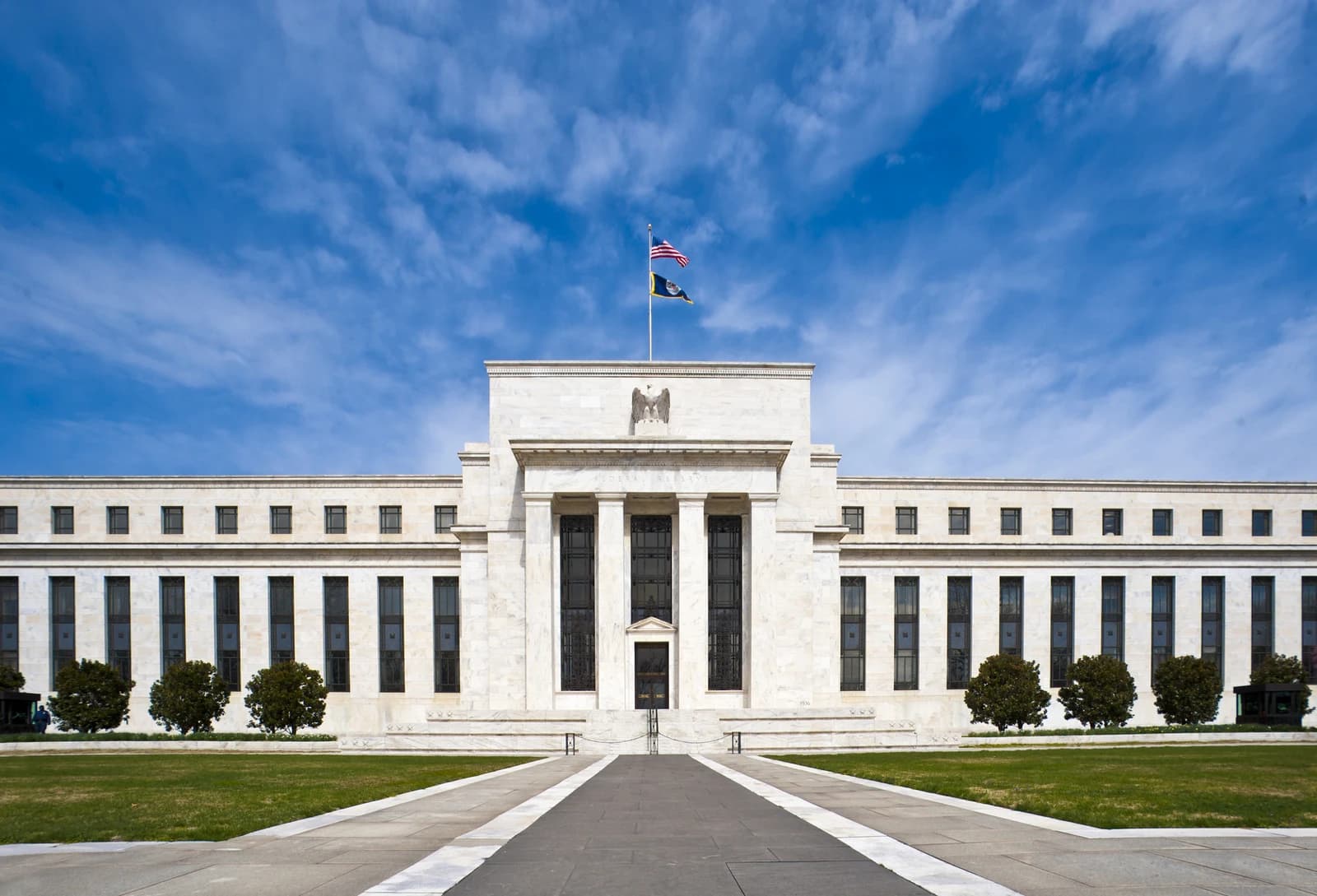
For investors, the PMI underscores the tension between solid growth and the possibility that inflation pressures do not fade as quickly as the market would like. A services sector still expanding above 57, alongside manufacturing at a multi-year high, gives the Federal Reserve less urgency to pivot aggressively toward easier policy, even as traders continue to watch for signs of cooling in labor and demand.
PMI Trends
The broader picture is one of an economy that has avoided a sharp slowdown so far this year, with business activity holding up even as recent readings from regional surveys have shown more uneven momentum. If the strength carries into the final months of the year, it would support cyclical stocks, industrials and consumer-facing companies, while keeping rate-sensitive sectors more dependent on any future easing in bond yields.
The next test is whether this pace of growth can persist into year-end without reigniting inflation concerns or forcing policymakers to keep rates higher for longer.
| Entity | Gains | Losses |
|---|---|---|
| U.S. growth stocks | ▲Stronger earnings backdrop | ▼Higher-for-longer rates |
| Industrials and manufacturers | ▲Faster activity, better orders | ▼Slower demand if rates bite |
| Federal Reserve hawks | ▲Case for caution on cuts | ▼Softer data that could justify easing |
| Bond bulls | ▲No immediate recession signal | ▼Fewer near-term rate-cut bets |