The Reserve Bank of Australia is preparing to keep tightening policy even if unemployment rises, putting the economy on a painful path where cooling inflation may come at the cost of weaker hiring and slower growth.
RBA Keeps Tightening Bias as Inflation Stays Sticky
That is the real market-moving message in the latest RBA minutes: policymakers are increasingly willing to accept job losses to get inflation back under control, a harder line than earlier guidance from Governor Michele Bullock suggested. For investors, that matters because it raises the odds of another rate hike as soon as November and keeps pressure on household spending, housing, banks and rate-sensitive sectors.
Sentiment IndicatorsⓘProprietary · adalytica.com · October 19, 2026
This is a snapshot — live sentiment, awareness and momentum for 130+ markets update continuously in the dashboard.Open AlphaPulse
The RBA’s worry is not just that inflation is still too high, but that it is being sustained by domestic pressure rather than a simple imported shock. The central bank has pointed to stubborn wage growth, weak productivity and a lack of supply-side improvement as reasons price pressures may fade only slowly. In other words, Australia is not just fighting a hot economy; it is fighting an economy that is not producing enough per hour worked to absorb wage gains without passing them through into prices.
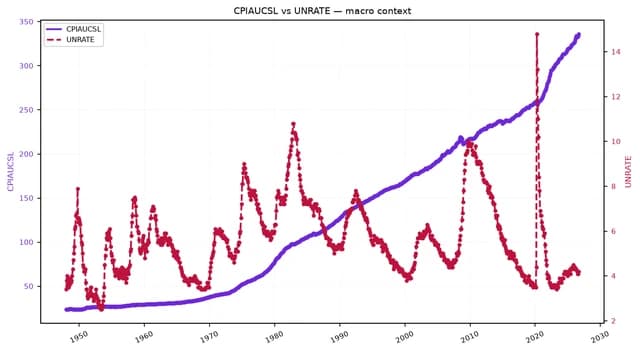
That is why the labor market is now central to the policy debate. The unemployment rate has edged up to 4.2%, still low by historical standards, but enough to show the job market is no longer as tight as it was. Housing data tell a similar story: new home building has cooled sharply, with housing starts at 1,275 in August after a recent peak, underscoring how higher borrowing costs are already biting into activity. Yet inflation remains sticky enough that policymakers appear prepared to tolerate more pain before declaring victory.
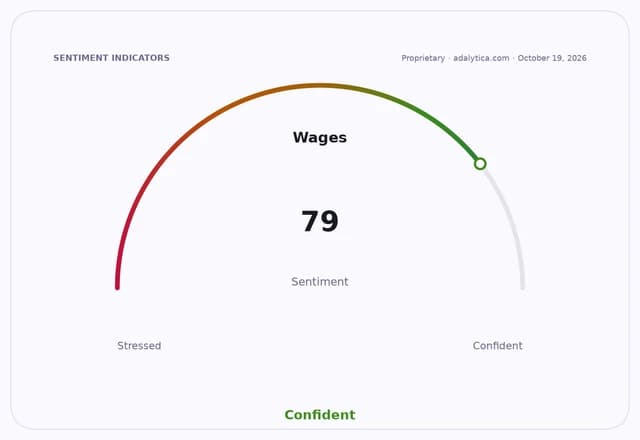
Adalytica’s Wage Inflation Sentiment sits at 79, or “Greed,” while confidence in the Fed’s 2% inflation target has fallen to 32, suggesting investors are still uneasy about how long inflation can stay contained. The 5-year inflation breakeven sentiment is even more elevated at 95, a reminder that long-term price expectations remain a live issue globally, not just in Australia. If those expectations stay firm, the RBA has little room to ease up.
The International Monetary Fund’s warning that Australia could face some of the worst inflation among advanced economies in 2026 adds weight to the RBA’s stance. It also raises a broader fiscal question: if government spending stays loose while productivity remains weak, the central bank may have to do even more of the heavy lifting through rates. That is not a comfortable setup for consumers, but it can be an opportunity for investors who focus on quality businesses with pricing power, strong balance sheets and exposure to long-term themes rather than short-term economic noise.
For now, the investment takeaway is straightforward: Australia’s policy path looks more restrictive for longer, and that means volatility in housing, discretionary spending and rate-sensitive assets is likely to persist. Long-term investors should watch the labor market, inflation readings and the November RBA meeting closely, because the next move is likely to shape the rest of the cycle.
| Entity | Gains | Losses |
|---|---|---|
| RBA | ▲Inflation credibility | ▼Near-term growth |
| Savers | ▲Higher deposit yields | ▼Borrowers facing more costs |
| Banks | ▲Wider lending spreads | ▼Loan demand pressure |
| Homebuyers | ▲— | ▼Higher mortgage burden |