Australia’s annual inflation accelerated to 4% in August, keeping price pressures high enough to reinforce expectations the Reserve Bank of Australia may need to tighten policy again as soon as November.
Australia inflation rises to 4% in August

The jump from 3.5% in July underscores that inflation is not fading quickly enough for the central bank to declare victory, even after it lifted the cash rate to 4.60% on Tuesday, the highest since 2011. While the move matches economists’ expectations in broad terms, the composition of the data points to stubborn underlying pressure: housing costs rose 5.7% and transport prices climbed 5.6%, helped by higher fuel prices.
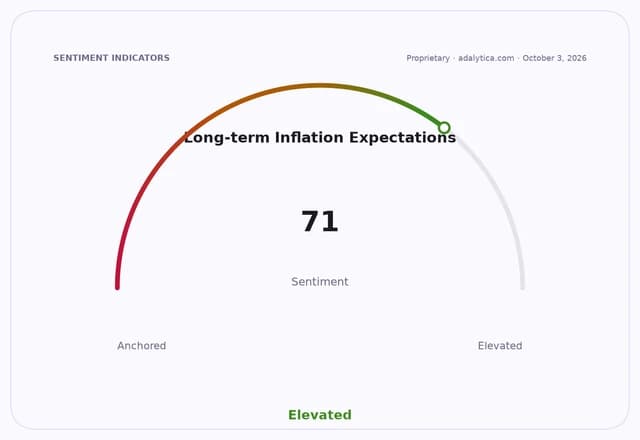
The more closely watched trimmed mean measure, a gauge of underlying inflation, held at 3.6% for a third straight month. That is still well above the RBA’s 2%-3% target band and leaves policymakers with little room to ease off. For households, it means borrowing costs and living expenses remain elevated at the same time, intensifying the squeeze on discretionary spending and raising the risk that rate hikes bite harder into consumption and home prices.
The policy backdrop matters as much as the headline number. The RBA’s latest hike came amid concern that inflation is being kept aloft by supply shocks and external pressures, including energy and geopolitical disruptions. Former governor Philip Lowe has urged the government to rein in spending to help contain prices, highlighting the growing tension between fiscal and monetary policy just as the Albanese government argues that much of the inflation impulse comes from abroad.
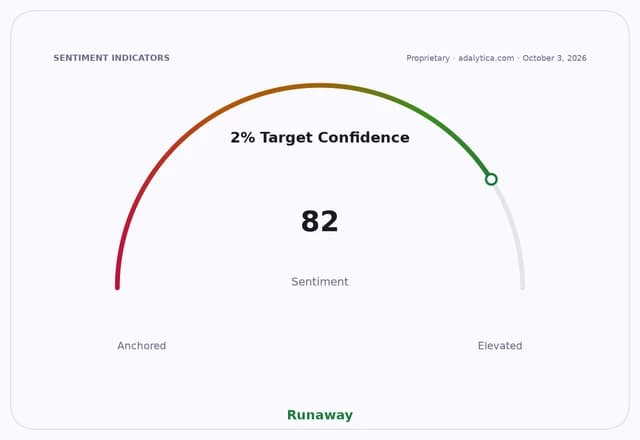
For investors, the data strengthens the case for a higher-for-longer rate path and keeps the Australian dollar, bond yields and rate-sensitive equities in focus. Australia’s equity benchmark is already trading near key technical levels, with the iShares MSCI Australia ETF below its 50-day moving average and short-term momentum softening, a sign markets are still balancing hopes for peak rates against the risk of a deeper growth slowdown.
The main question now is whether the August reading marks a temporary pause in disinflation or the start of another flare-up. If price growth stays near 4% and core measures remain sticky, the RBA will likely preserve a tightening bias into November, keeping pressure on households while offering little relief to sectors dependent on cheap credit.
| Entity | Gains | Losses |
|---|---|---|
| RBA | ▲Policy credibility | ▼Growth-sensitive borrowers |
| Australian dollar bears | ▲Higher-rate support for AUD | ▼Rate-cut hopes |
| Banks | ▲Wider lending margins | ▼Loan demand |
| Households | ▲None | ▼Mortgage and living-cost pressure |