Reserve Bank of Australia Governor Michele Bullock was paid A$1.22 million in 2025-26 as the central bank faces a widening pay dispute with staff who say the RBA’s latest offer still amounts to a real wage cut.
RBA Governor Bullock Paid A$1.22 Million

The timing matters because the row lands as the central bank is asking the broader economy to absorb higher borrowing costs and slower demand to bring inflation back to target. That puts scrutiny on the institution’s own wage-setting, especially when the RBA is warning households that sustainable pay growth depends on productivity, not just inflation.
Sentiment IndicatorsⓘProprietary · adalytica.com · October 18, 2026
This is a snapshot — live sentiment, awareness and momentum for 130+ markets update continuously in the dashboard.Open AlphaPulse
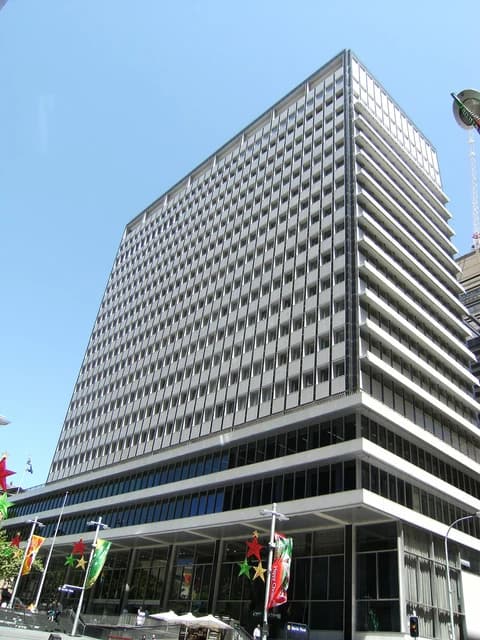
Bullock’s package included A$1.01 million in base salary, according to the RBA’s annual report released on Thursday. Deputy governor Andrew Hauser received A$955,033, while the bank’s four assistant governors were paid between A$743,000 and A$868,000. The figures place the RBA’s senior leadership among the best-compensated public sector officials in Australia, though still well below the multimillion-dollar pay packets at some government-owned corporations such as NBN Co and Australia Post.
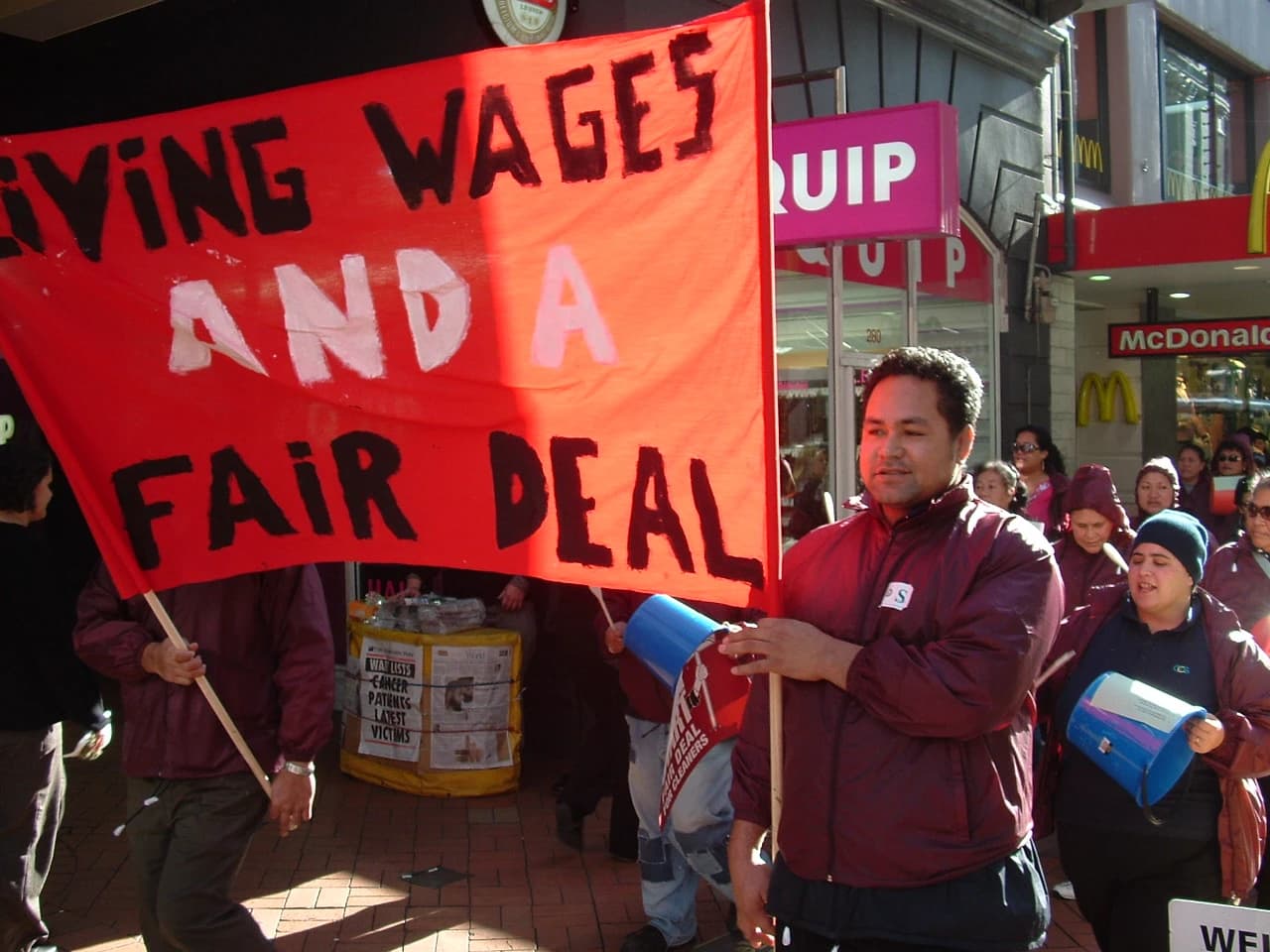
For the bank, the bigger issue is not executive remuneration but the tension between its public message on wages and its internal bargaining. Junior staff are seeking an 11% increase over three years, plus an inflation-protection mechanism that would automatically add pay if consumer prices run ahead of wages. The RBA is offering 9.5% over the same period, a proposal staff have already rejected once and are voting on again, with the ballot closing on Monday.
That dispute is economically relevant because it echoes the same real-income pressure the RBA says is squeezing households across the country. Bullock has repeatedly argued that workers are experiencing real wage cuts and that only stronger productivity growth can support durable pay gains. The bank’s staff are effectively making the same argument in reverse: if inflation remains sticky, nominal wage rises without protection still fail to preserve purchasing power.
The controversy also arrives at a sensitive moment for labour-market policy. Australia’s unemployment rate has risen to 4.7%, above the RBA’s own earlier projection, and economists say the slowdown is starting to do part of the inflation-fighting work the bank wants. JP Morgan’s Tom Kennedy said the nine-month jump in unemployment, excluding the pandemic period, was the largest in more than a decade and that the deterioration was more pronounced than the RBA had expected.
That gives the wage dispute broader resonance for investors. If the labour market continues to cool, it should ease wage pressure and help bring inflation lower, supporting the case for eventual rate cuts. But if inflation proves stubborn, the RBA may keep policy tight for longer, reinforcing pressure on consumption, housing and rate-sensitive sectors. For markets, the key question is whether the central bank is closer to the end of its hiking cycle or still has more restraint to impose.
The RBA’s annual report also underlines the strain on its balance sheet. The bank reported negative equity of A$11.3 billion at end-June, wider than A$5.3 billion a year earlier, after an accounting loss partly offset by gains on gold holdings. While the Governance Board says that does not impair the RBA’s operations, it reinforces how the institution is still digesting the financial consequences of the policy tightening cycle.
Bullock’s pay will not move markets by itself. But the combination of executive remuneration, staff dissatisfaction, rising unemployment and negative equity paints a single picture: the RBA is trying to restore price stability while living through the same real-income squeeze it is asking the rest of Australia to endure.
| Entity | Gains | Losses |
|---|---|---|
| RBA leadership | ▲Higher executive pay | ▼Public scrutiny |
| RBA staff | ▲Potential wage protection | ▼Real wage erosion |
| Borrowers | ▲Eventual rate-cut hopes | ▼Higher-for-longer rates |
| Inflation fighters | ▲Cooling labour market | ▼Slower wage growth |