Austerity alone is not going to reduce the debt burden, because weaker growth and still-restrictive financing costs are doing exactly what fiscal tightening is meant to avoid: shrinking the economy faster than the deficit.
U.S. austerity, growth and debt burden

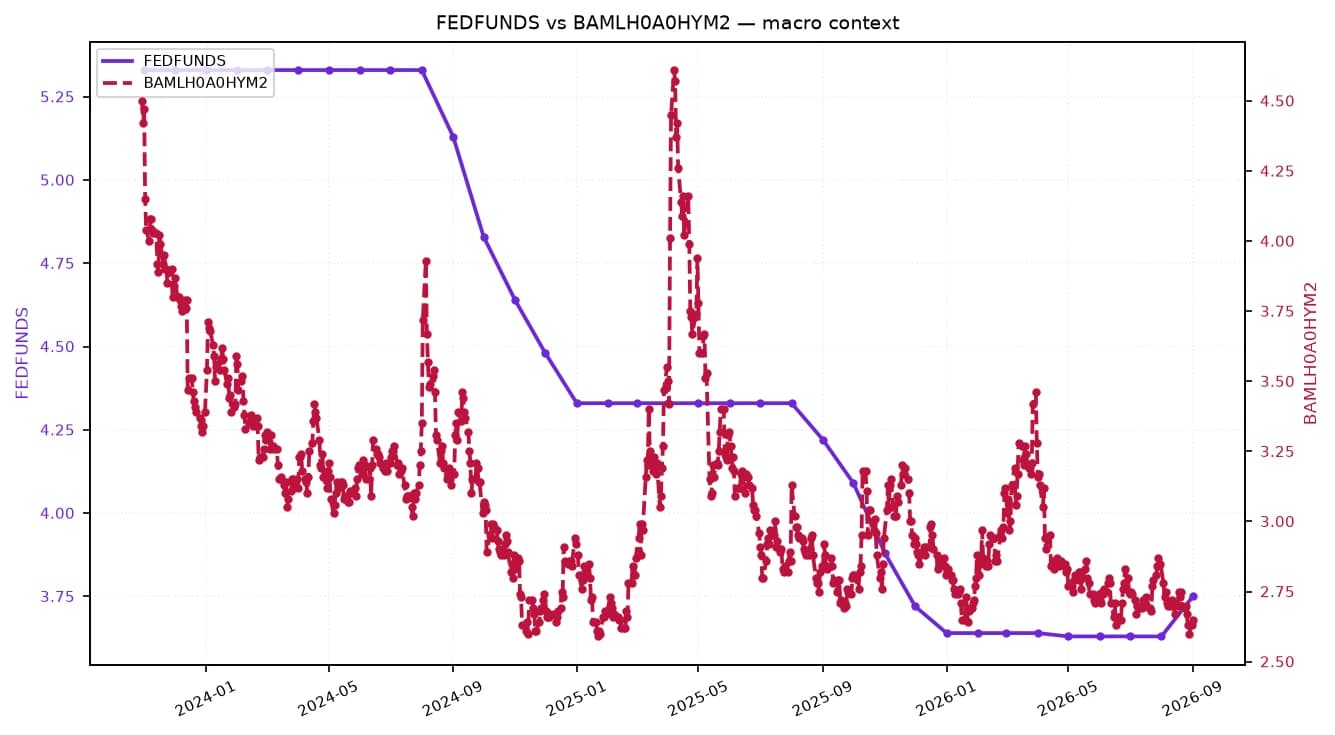
That is the market’s real message in the latest macro backdrop. The U.S. economy is still expanding, with GDP projected to reach 33,452.3 in the October quarter, but the policy mix remains unforgiving. The federal funds rate is still around 3.9%, and while that is far below the emergency highs of past cycles, it remains high enough to keep refinancing expensive, punish weaker credits and make debt reduction mathematically harder. In that environment, austerity becomes self-defeating: it can compress spending, but it also suppresses activity, tax receipts and nominal growth — the three variables that matter most for debt sustainability.
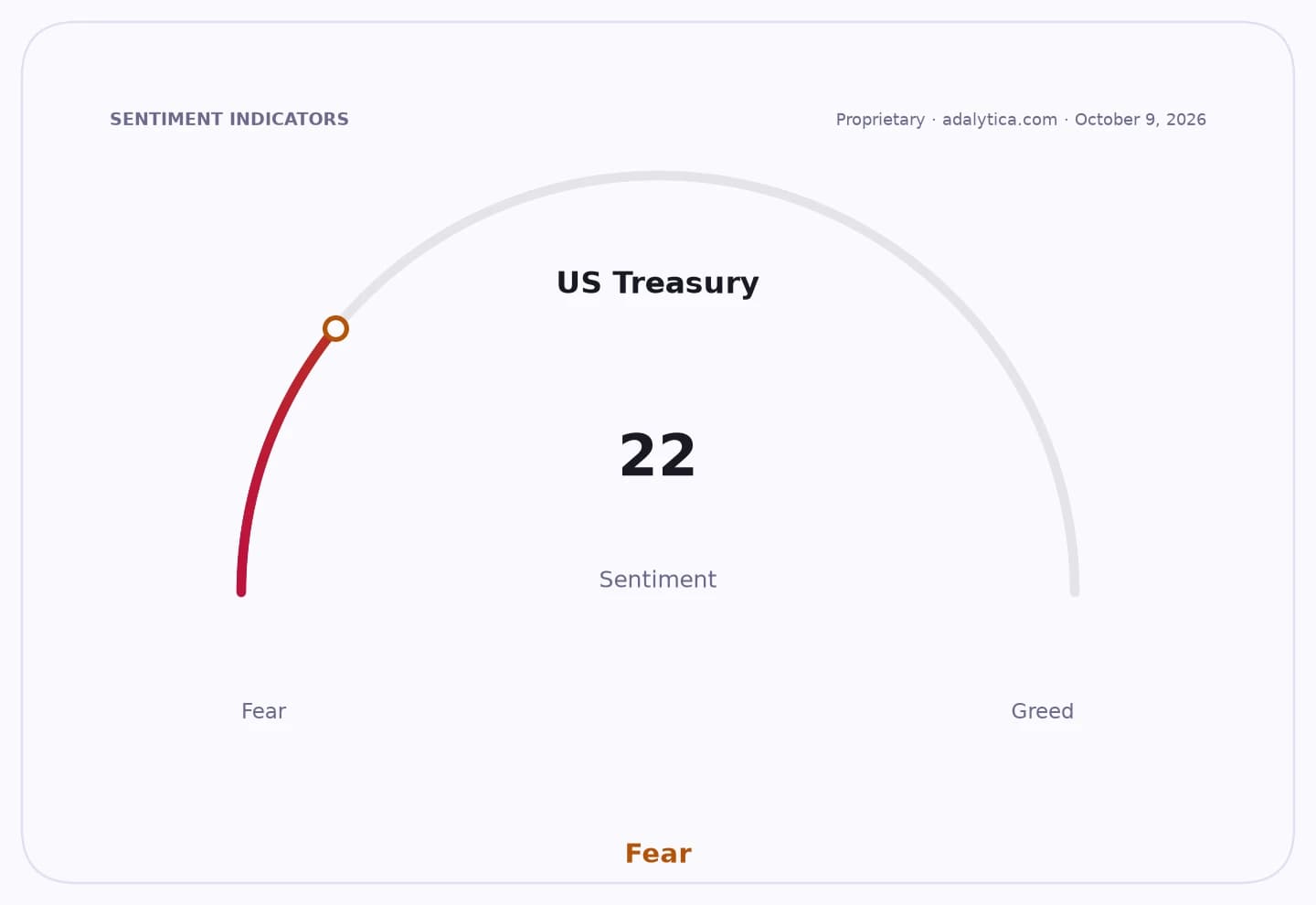
Sentiment Indicators
Investors should care because this is not just an abstract fiscal debate. It changes who wins in markets. When governments lean on belt-tightening instead of growth, duration-sensitive assets, defensive balance sheets and export-oriented businesses tend to outperform while levered borrowers, domestic cyclicals and rate-sensitive financial structures come under pressure. The message is already visible in Treasury markets, where long-dated bonds have traded with heavy swings around the 50-day moving average and the 200-day moving average, while the broader equity market has been forced to absorb a faster rise in volatility and a more selective risk appetite.
The implication is that policymakers cannot austerity their way out of a debt problem when nominal growth is not strong enough to outpace borrowing costs. The unemployment rate is still near 4.1%, which gives governments some room to avoid panic cuts, but it also means there is not enough slack to rely on a surge in productivity or demand to repair public finances overnight. History says debt ratios fall fastest when growth outruns rates, not when spending is squeezed indiscriminately.
FEDFUNDS vs GDP — macro contextadalytica.com
Explore this data interactively — full history, time series and cross-market comparisons.
That is why the investment playbook should tilt toward the assets that benefit from financial repression, refinancing stress and a scarcer supply of fiscal support. U.S. Treasuries remain a core hedge if growth disappoints, but the better asymmetric trade is in quality businesses with pricing power, low leverage and exposure to secular capex themes that do not depend on government spending. Think infrastructure, defense, electrification and AI buildout — the kinds of spending streams that survive austerity because they are tied to strategic necessity, not political convenience.
The market underestimates how quickly austerity can morph from a headline about discipline into a drag on revenues, employment and credit quality. If policymakers keep tightening while growth cools, debt dynamics worsen rather than improve. For investors, that means the opportunity is not in chasing a clean fiscal story — it is in positioning for the disorder that follows when the math refuses to cooperate.
| Entity | Gains | Losses |
|---|---|---|
| Long-duration Treasuries | ▲Safe-haven demand | ▼Yields if growth holds up |
| High-quality equities | ▲Relative defensiveness | ▼Cheap leverage-heavy cyclicals |
| Governments pursuing austerity | ▲Short-term credibility | ▼Growth and tax revenue |
| Leveraged borrowers | ▲None | ▼Refinancing costs and default risk |