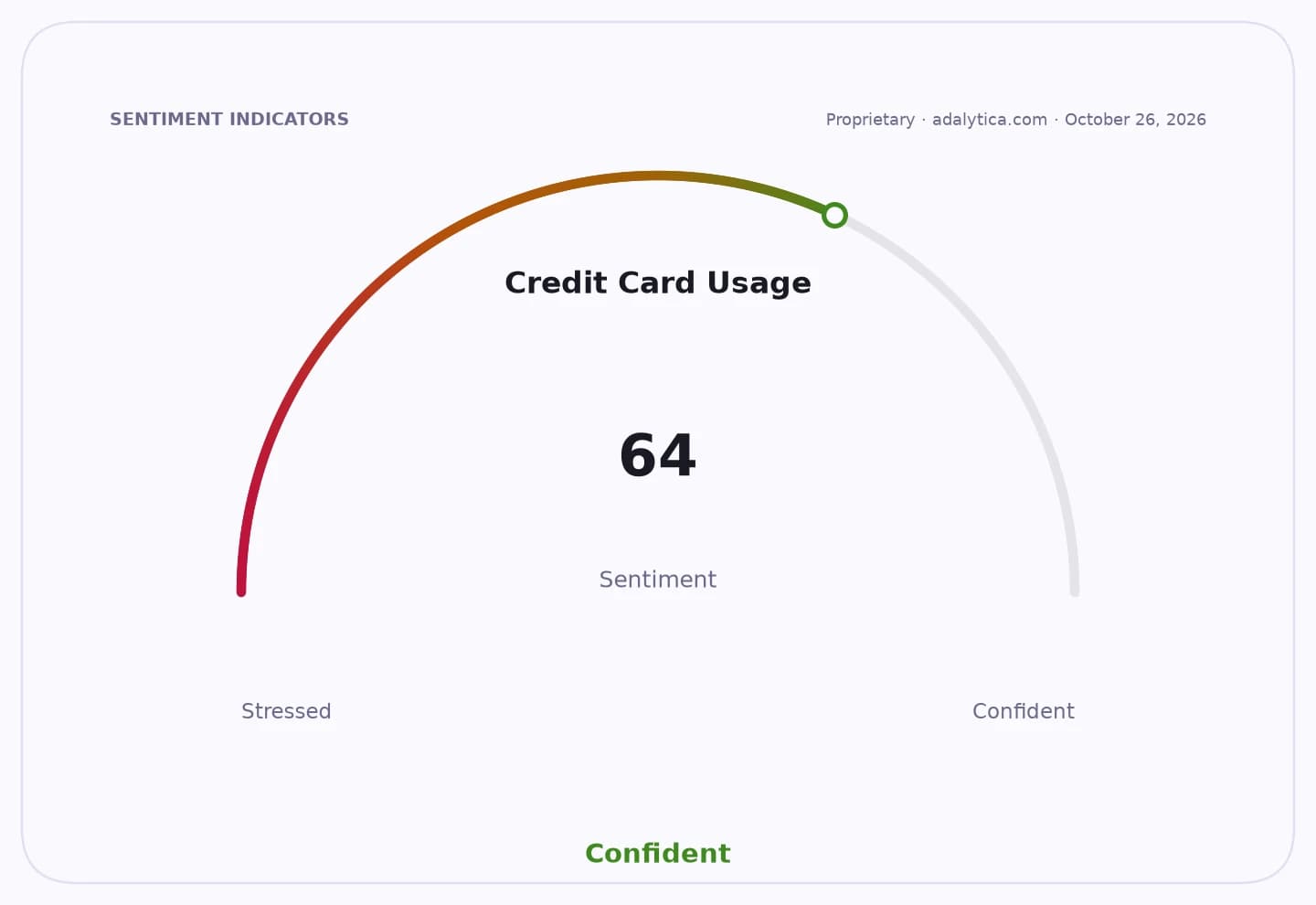
Cheaper funding is making debt consolidation look more attractive again, but the opportunity is emerging against a still-fragile backdrop of elevated household stress and wider credit-market caution.
Debt Consolidation Lenders Gain as Rates Ease
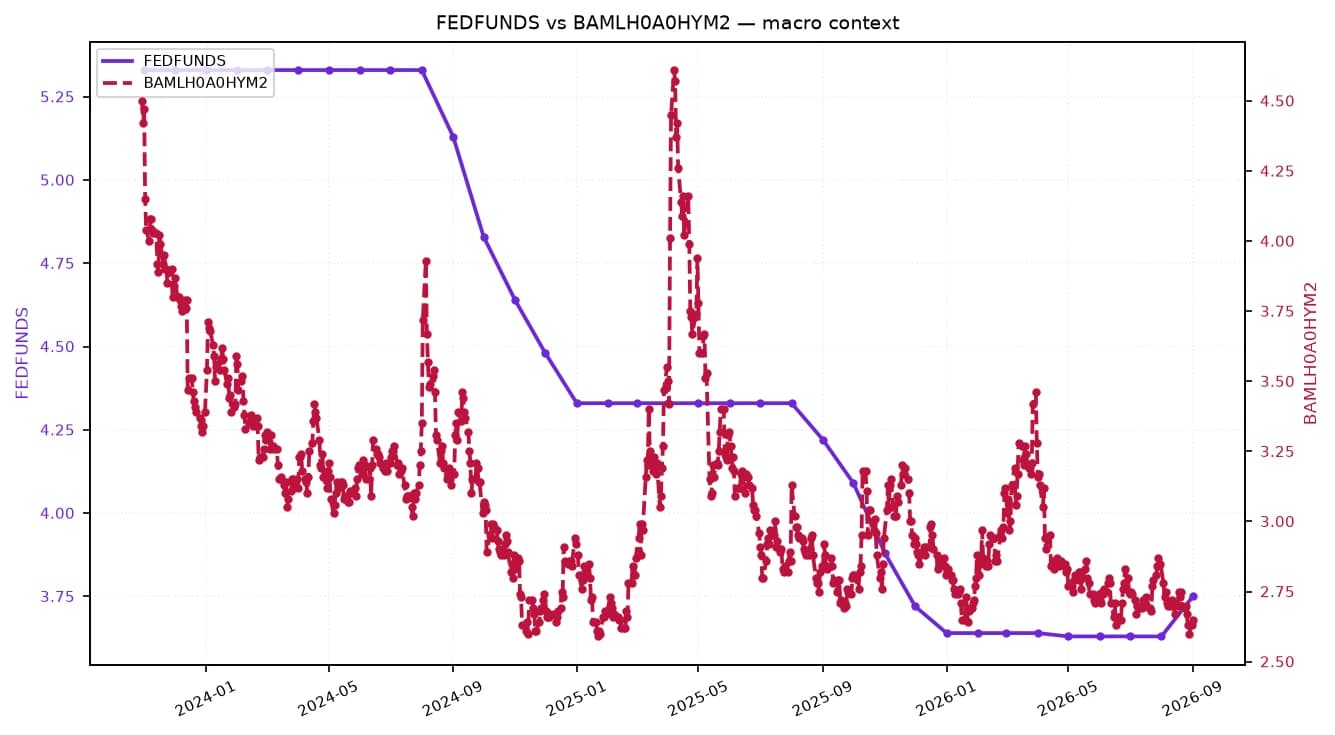
The Federal Reserve’s benchmark rate is forecast at 3.726% in October, down from 3.75% in September and far below the peaks that defined the inflation fight, while high-yield credit spreads have narrowed to 3.18 percentage points from 4.16 points in April. That combination suggests borrowing conditions are improving at the margin, even if they remain restrictive by historical standards for consumers carrying card balances, personal loans and other unsecured debt.
Sentiment Indicators
For households, that matters because consolidation only works when the new loan rate, fee structure and repayment term are materially better than the debts being replaced. With the unemployment rate at 4.2%, labor-market conditions are not deteriorating fast enough to trigger broad distress, but they are weak enough to leave many borrowers looking for ways to reduce monthly payments. That is the core appeal of consolidation: lower cash outflows, fewer due dates and a clearer payoff schedule.
For lenders, the environment is more mixed. Capital One Financial and Synchrony Financial have both shown their stocks can swing sharply on credit expectations, with COF recovering to $204.88 after a pullback from earlier-year highs and SYF stabilizing around $75.36 after a steep autumn decline. The moves reflect a market that is still calibrating whether falling rates will improve refinancing demand and funding costs without materially worsening credit quality.
The technical picture underscores that tension. COF has climbed back above its 50-day average and sits just above its 200-day average, while SYF is also trading near its 50-day moving average after recovering from oversold levels. Those are conventional technical indicators, not fundamental proof, but they show investors are re-engaging with consumer-finance names as the rate backdrop becomes less hostile.
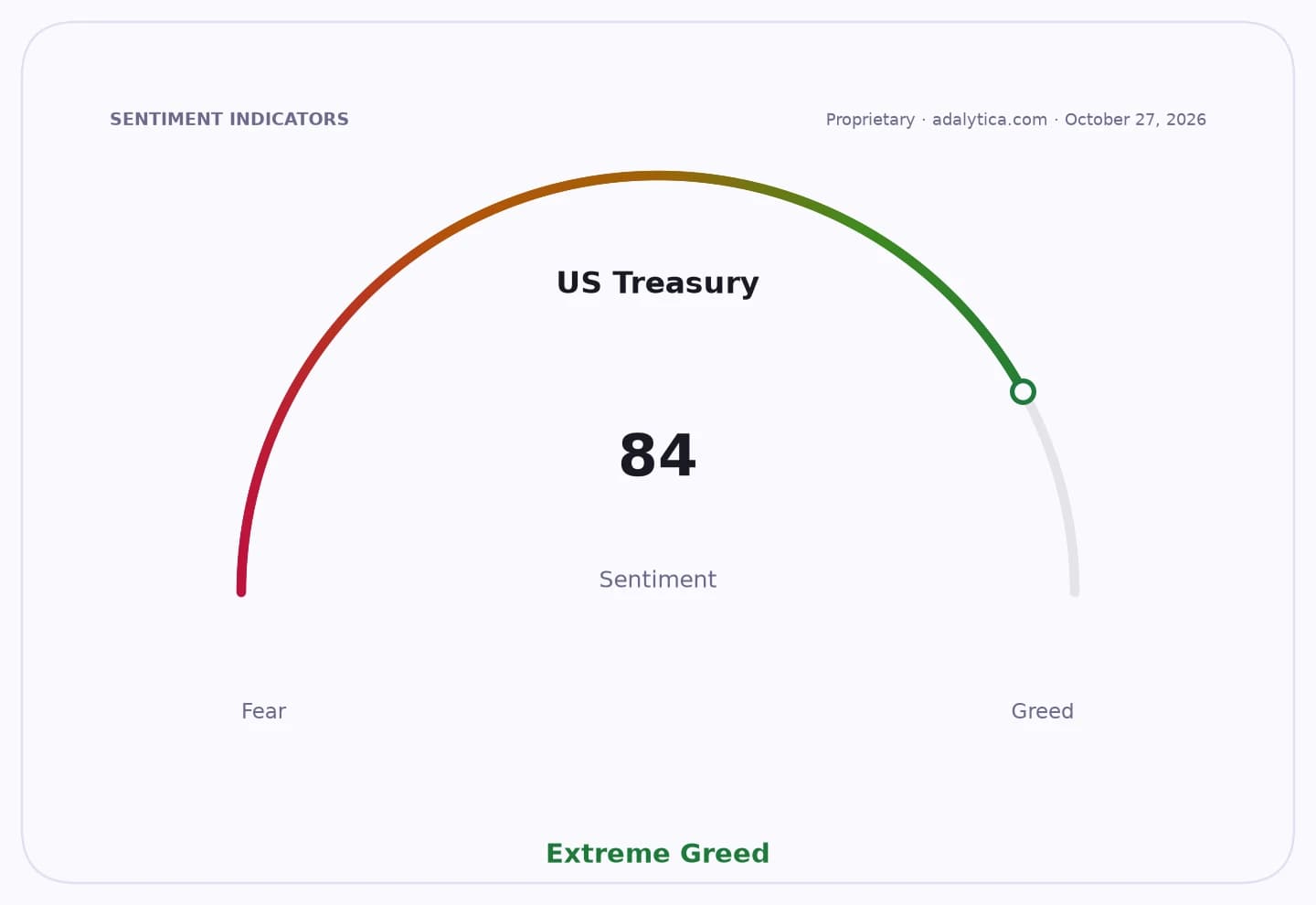
The wider credit market is also sending a cautious signal. Adalytica’s trade signals show fear in the S&P 500 even as Treasury-bond sentiment is extreme greed, a split that typically reflects demand for safety and falling-rate expectations. At the same time, high-yield spreads remain above the tightest levels of the past year, reminding investors that credit risk has not disappeared. That is relevant for debt-consolidation lenders because the sector’s business model depends on funding costs, borrower quality and access to securitization markets.
In the near term, the bull case is that easing policy and tighter spreads allow more borrowers to refinance expensive revolving debt into lower-rate installment loans, supporting originations and reducing monthly payment burdens. The bear case is that any pickup in refinancing masks continued strain among the weakest borrowers, especially if job growth softens or if lending standards remain tight. Either way, debt consolidation is becoming less of a distress tool and more of a rate-cycle trade — one that will be shaped by the next move in borrowing costs, credit performance and consumer balance-sheet health.
| Entity | Gains | Losses |
|---|---|---|
| Borrowers | ▲Lower monthly payments | ▼High-interest revolving debt |
| Consumer lenders | ▲Refinancing demand | ▼Funding-cost pressure |
| Treasury investors | ▲Higher bond demand | ▼Rate-sensitive cash holders |
| High-yield borrowers | ▲Easier market access | ▼Wider credit-risk premia |