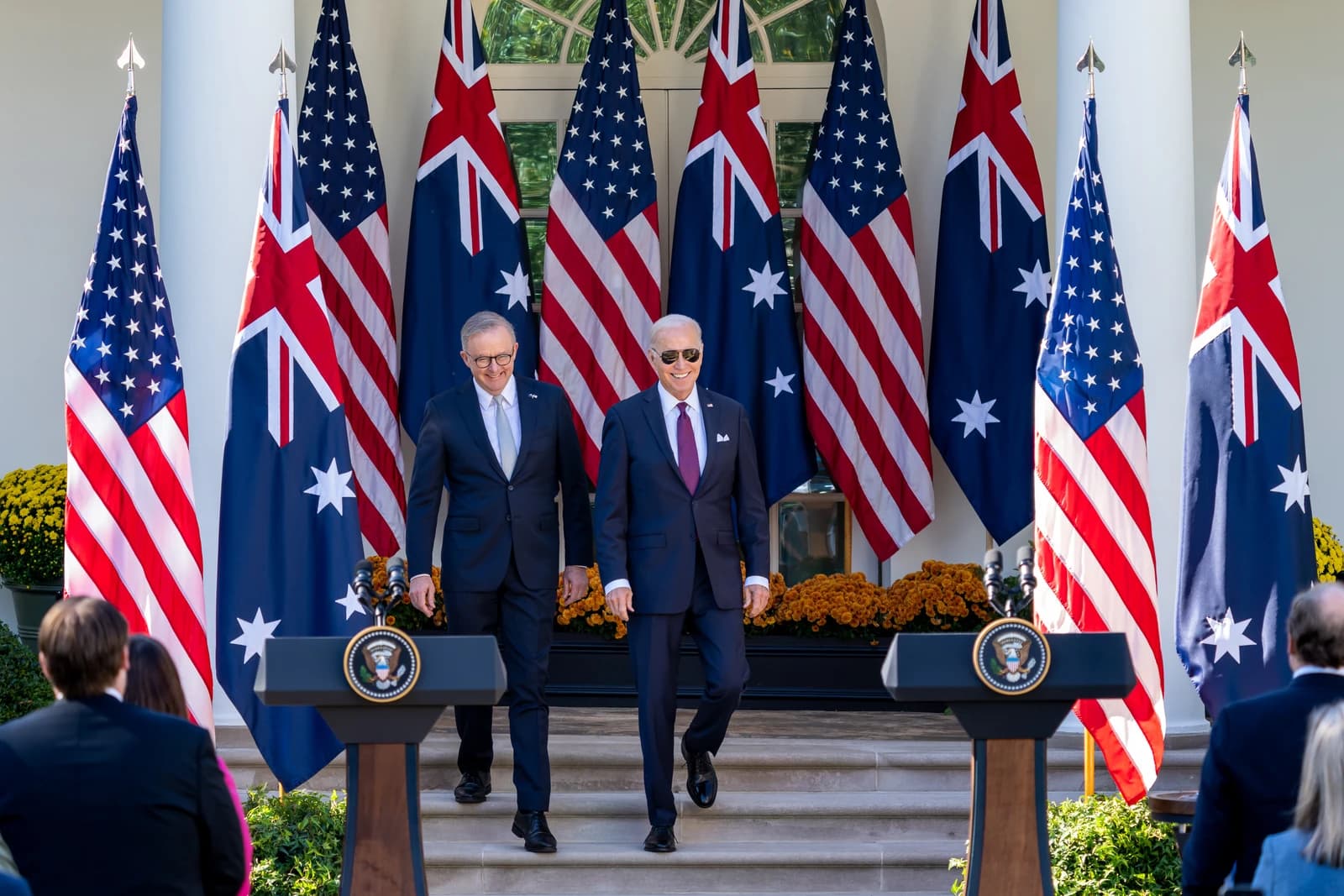
Australia’s inflation debate has turned into a fight over the source of price pressure, with Prime Minister Anthony Albanese arguing the Middle East conflict is helping drive borrowing costs higher even as the Reserve Bank insists its rate rises are aimed at homegrown inflation.
Australia inflation debate over Middle East costs
The dispute matters because it goes to the core of how long Australian households and businesses may have to live with restrictive monetary policy. If global energy and supply shocks tied to the Iran war are doing more of the work, the inflation outlook becomes more vulnerable to geopolitical escalation and less responsive to domestic policy alone. If Michele Bullock and the RBA are right, then the policy cure will remain tighter spending and weaker demand at home.
Sentiment Indicators
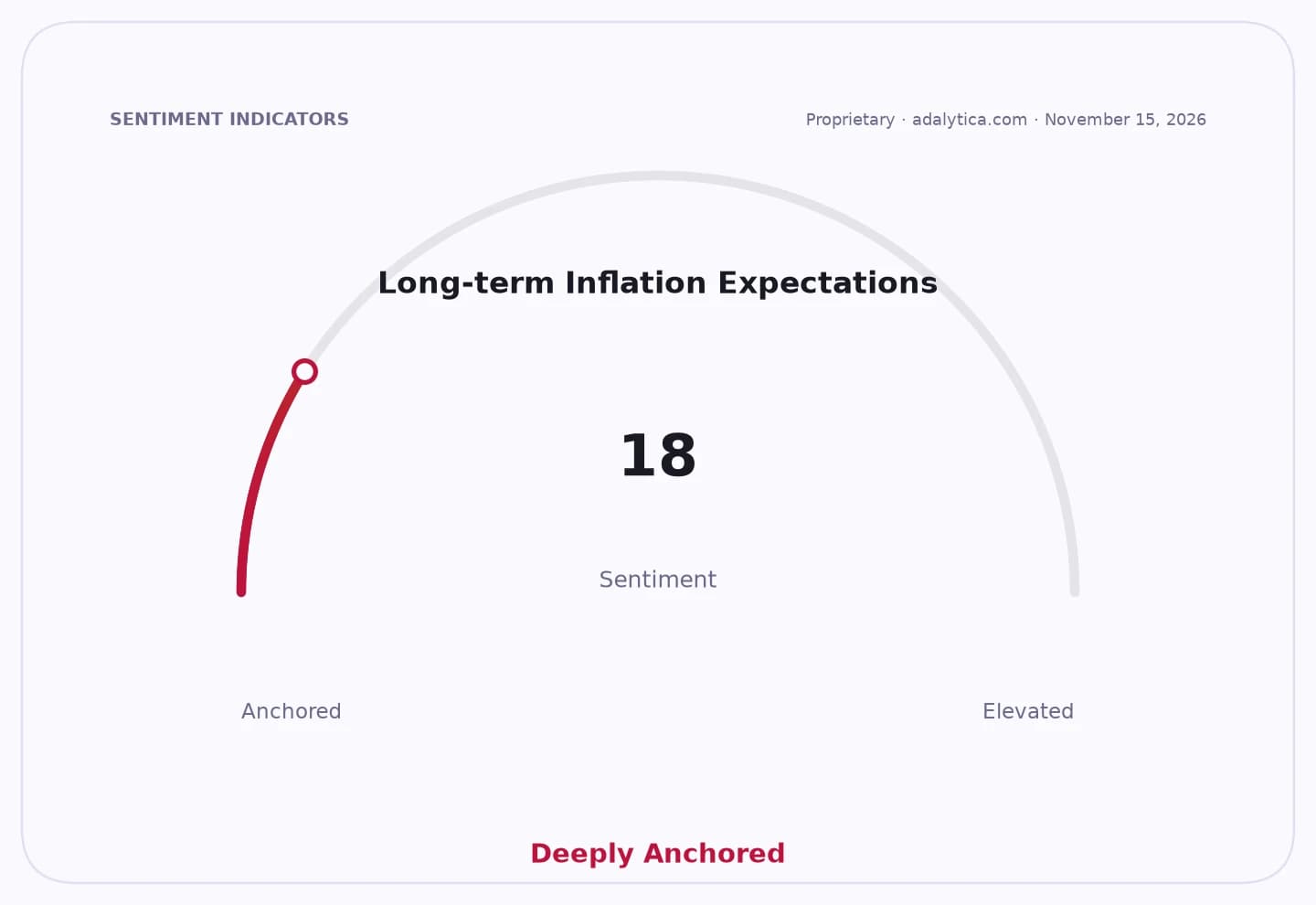
The macro backdrop still looks uncomfortable. U.S. 10-year Treasury yields have climbed to around 5.1%, while the 10-year/2-year curve has only just turned slightly positive, a mix that reflects sticky rates and uncertainty about the growth path. In inflation-linked markets, confidence in the Fed’s 2% target has deteriorated sharply, with Adalytica’s long-term inflation expectations gauge sitting in “extreme fear” territory. That is the kind of global rate environment that leaves little room for central banks to ease early.
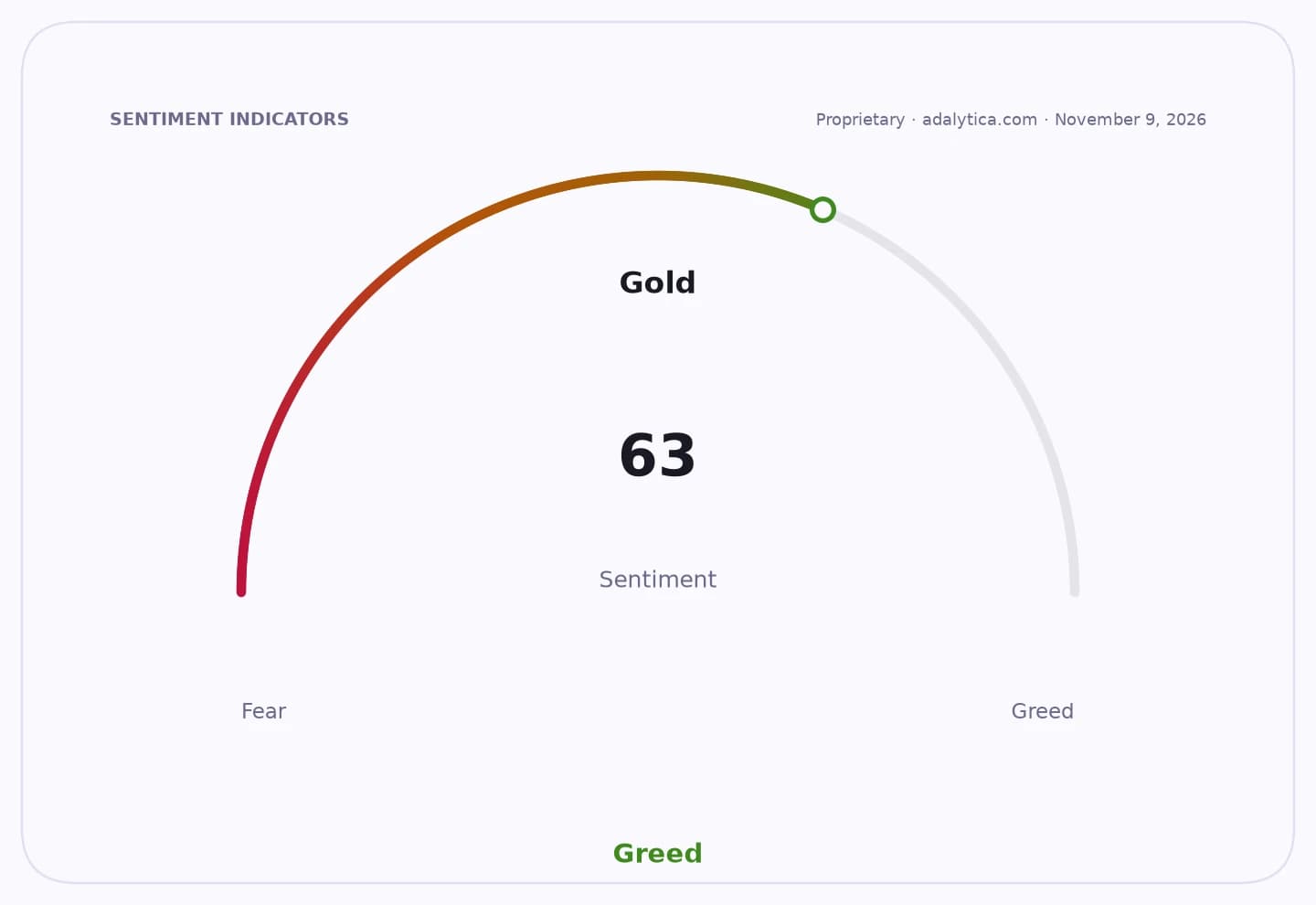
The market reaction has also been consistent with a geopolitical inflation scare. Oil-linked USO has surged this year and remains far above its long-term average, despite a recent pullback, underscoring how sensitive energy prices are to conflict risk. Gold has also held elevated levels after a volatile year, while U.S. bond proxy TLT has struggled to regain traction, suggesting investors are still pricing in a world where inflation shocks can re-emerge quickly.
For Australia, that matters directly because imported energy and shipping costs can feed through to consumer prices even when domestic demand is cooling. The argument from Albanese is politically useful because it shifts some blame away from wages, spending and services inflation at home. But it risks oversimplifying the problem. The RBA’s case is that services inflation, rents and other domestic pressures have been persistent enough to require a policy response regardless of the global backdrop.
That tension is visible in broader inflation gauges. The U.S. CPI series continues to show price levels grinding higher, and the latest forecast points to another monthly rise. While not an Australian measure, it reinforces the global pattern that disinflation has stalled rather than disappeared. Adalytica’s CPI sentiment is neutral, but awareness is extremely high, indicating investors are focused on inflation even when they are not convinced it is accelerating.
For investors, the key question is whether geopolitical risk keeps extending the life of higher-for-longer rates. If oil stays bid or supply chains are disrupted, bond yields could remain elevated and rate-sensitive assets underperform. If the conflict eases and inflation data soften, markets may begin to price a faster path to easing, helping duration, housing-linked equities and other rate-sensitive sectors. For now, the policy narrative in Australia is less about a clean domestic inflation story than a messy mix of local demand, imported price pressure and political pressure on the RBA.
The next catalyst will be whether inflation prints and energy markets confirm Albanese’s view or back the central bank’s insistence that the fight is still mainly domestic. Until then, borrowers, rate-sensitive stocks and the Australian dollar will remain exposed to every new turn in the Middle East.
| Entity | Gains | Losses |
|---|---|---|
| Albanese government | ▲political cover | ▼credibility on inflation |
| RBA | ▲policy independence | ▼public support |
| Oil exporters | ▲higher prices | ▼oil consumers |
| Borrowers / rate-sensitive stocks | ▲lower rates if inflation cools | ▼higher-for-longer rates |