Georgia’s central bank is betting inflation will cool to 3.5% in 2027, a path that matters because it would bring price growth back toward the 3% target only if Middle East tensions and oil markets settle down first.
Georgia inflation forecast at 3.5% for 2027

That is the real investment story here: the National Bank of Georgia is not forecasting an easy disinflation, but a conditional one. Governor Natia Turnava told lawmakers the bank’s updated baseline assumes the conflict in the Middle East gradually fades, easing imported inflation and allowing annual consumer-price growth to converge toward target in the second half of 2027.
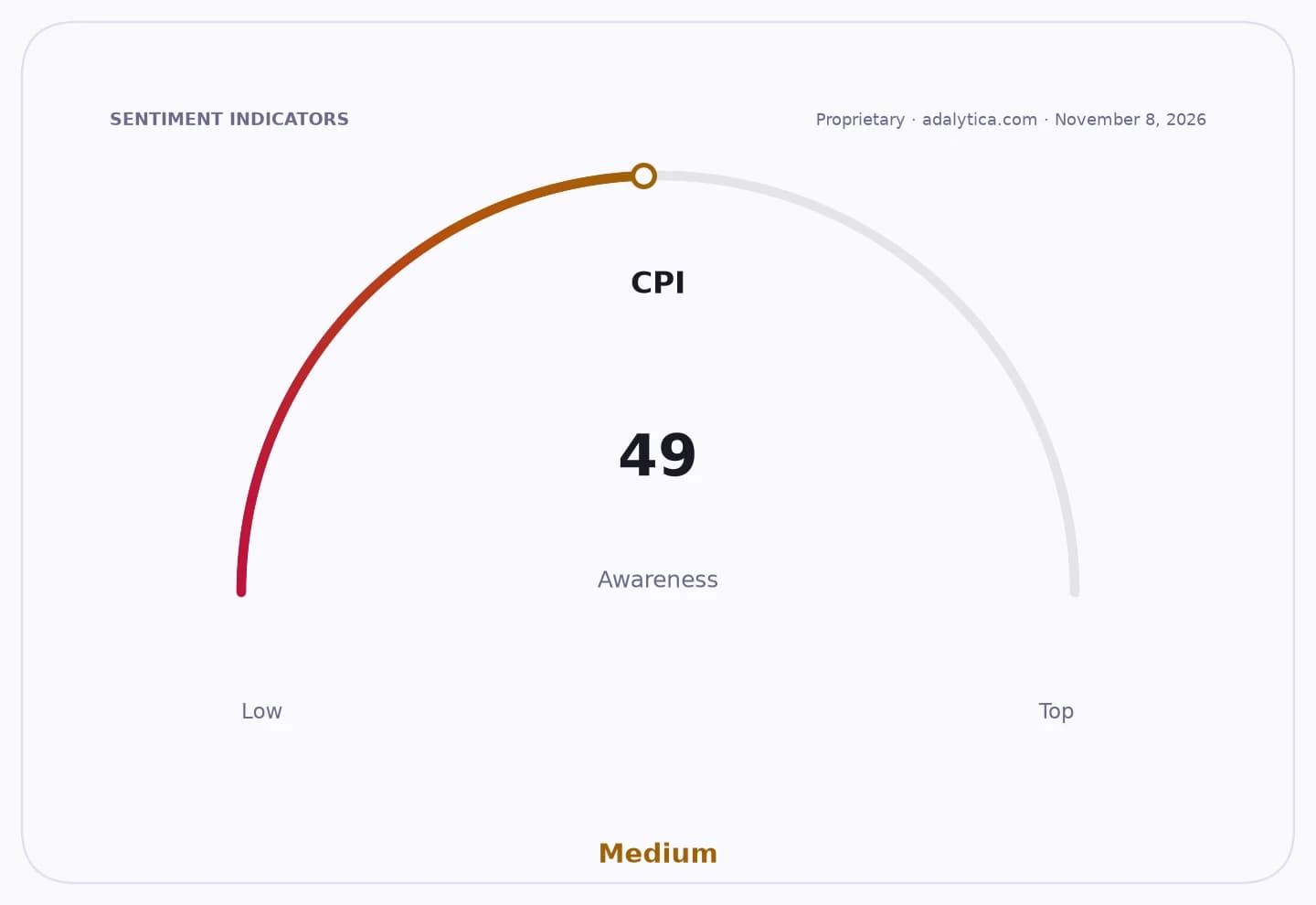
Sentiment Indicators
For investors, that framing is important because it keeps monetary policy in a cautious holding pattern. The refinancing rate is already at 8.25%, after a 0.25 percentage point hike in May, and the central bank is signaling it is ready to tighten again if second-round effects show up. That makes Georgia less of a quick-rate-cut story and more of a “wait for inflation to prove it is beaten” market.
The central bank’s concern is easy to understand. Turnava said imported inflation accounted for 2.2 percentage points of the 5.9% annual inflation rate in October, with higher international oil prices doing much of the damage. In other words, Georgia’s price outlook is being shaped less by domestic demand than by external shocks, especially energy. That is exactly the kind of inflation that central banks can fight, but only partly.
The broader backdrop is still uncomfortable. Georgia’s inflation is expected to average 5.4% this year, up from 4% in 2025, after coming down sharply from 13.9% in 2021 and 9.4% in 2022. The direction of travel is favorable, but the path remains bumpy. If energy prices stay elevated or geopolitical risks intensify, the bank may have to keep policy tight for longer, which can slow credit growth and weigh on consumption.
For long-term investors, the message is not to chase the next policy move, but to respect the cycle. If inflation trends lower as projected, Georgian assets could benefit from steadier rates, improved visibility and better real returns. If not, borrowers and domestically focused businesses will feel the pinch first. Either way, this is the kind of macro setup worth watching rather than trading around.
| Entity | Gains | Losses |
|---|---|---|
| National Bank of Georgia | ▲Credibility on inflation | ▼Room to cut rates |
| Savers and local-currency holders | ▲Better real returns | ▼None if inflation eases |
| Borrowers and rate-sensitive businesses | ▲Lower rates later | ▼Higher financing costs now |
| Oil importers and consumers | ▲Lower prices if tensions cool | ▼Higher costs if energy stays elevated |