Russia’s central bank is keeping borrowing costs high because inflation is still running well above levels that would justify easier money, and Governor Elvira Nabiullina says the unusually wide gap with the key rate reflects a stubborn price backdrop and a heavy use of subsidized loans.
Russia Central Bank Keeps Rates High on Inflation
That difference matters because it shows the Bank of Russia is not simply setting rates off a textbook inflation reading. It is trying to cool demand in an economy where inflation has been persistent and where cheap government-backed credit continues to distort the transmission of policy. For investors, the message is straightforward: rates may stay restrictive for longer, and the usual hope for quick monetary relief is premature.
Sentiment Indicators
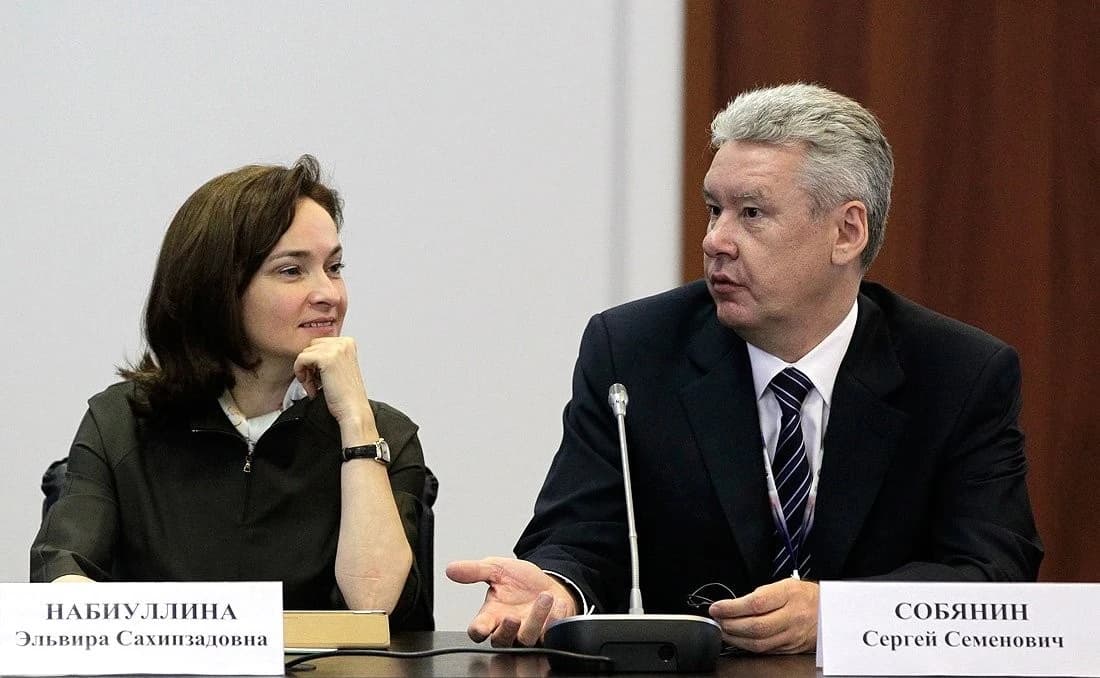
Nabiullina told lawmakers that the 8-9 percentage point spread between inflation and the policy rate stems from two domestic factors that are uncommon in other countries — the length of inflationary pressure and the high share of preferential lending. In other words, Russia’s policy challenge is not just price growth, but the way subsidized borrowing keeps parts of the economy insulated from the central bank’s tightening.
That helps explain why the regulator has already left open the possibility of a higher path for the key rate if needed to bring inflation back under control. It also underscores a recurring tension in Russian policy: supporting growth and credit availability on one side, while trying to restore price stability on the other. When subsidized mortgages and other concessional loans remain widespread, the central bank has to push harder elsewhere to get the same anti-inflation effect.
For households and businesses, that means expensive credit is likely to remain part of the landscape. For savers, high rates may continue to support deposits and money-market instruments. For equity investors, especially those exposed to domestic consumer demand, the bigger question is whether tight policy starts biting hard enough to slow spending and investment. That is often the price of restoring inflation discipline.
Longer term, the key takeaway for investors is that Russia’s monetary cycle is still defined by inflation credibility, not rate cuts. If price pressures ease, the central bank can eventually become more flexible. But for now, Nabiullina’s comments suggest policymakers are still focused on keeping the brakes on, and that usually means patience, caution and selective positioning rather than chasing an early easing story.
| Entity | Gains | Losses |
|---|---|---|
| Russian savers | ▲Higher deposit yields | ▼Erosion from inflation |
| Borrowers | ▲Subsidized credit access | ▼Higher policy-rate costs |
| Bank of Russia | ▲Anti-inflation credibility | ▼Growth and credit demand |
| Domestic consumers | ▲Some price stability later | ▼More expensive financing now |