Kazakhstan’s plan to draw 6.5 trillion tenge from the National Fund while also raising taxes on small and medium-sized businesses is a classic fiscal trade-off: a bigger state boost for growth now, but a higher risk of keeping inflation sticky and forcing policy to stay tight for longer.
Kazakhstan plans 6.5 trillion tenge fund withdrawal
That matters because the country is trying to cushion households and support investment at the same time it is fighting price pressure. More spending from the sovereign wealth pot can support infrastructure, social outlays and domestic demand, but it also increases the odds that the economy stays overheated if tax changes are not well targeted. For investors, the key question is not whether the government can spend, but whether it can spend without embedding higher inflation expectations into wages, prices and financing costs.
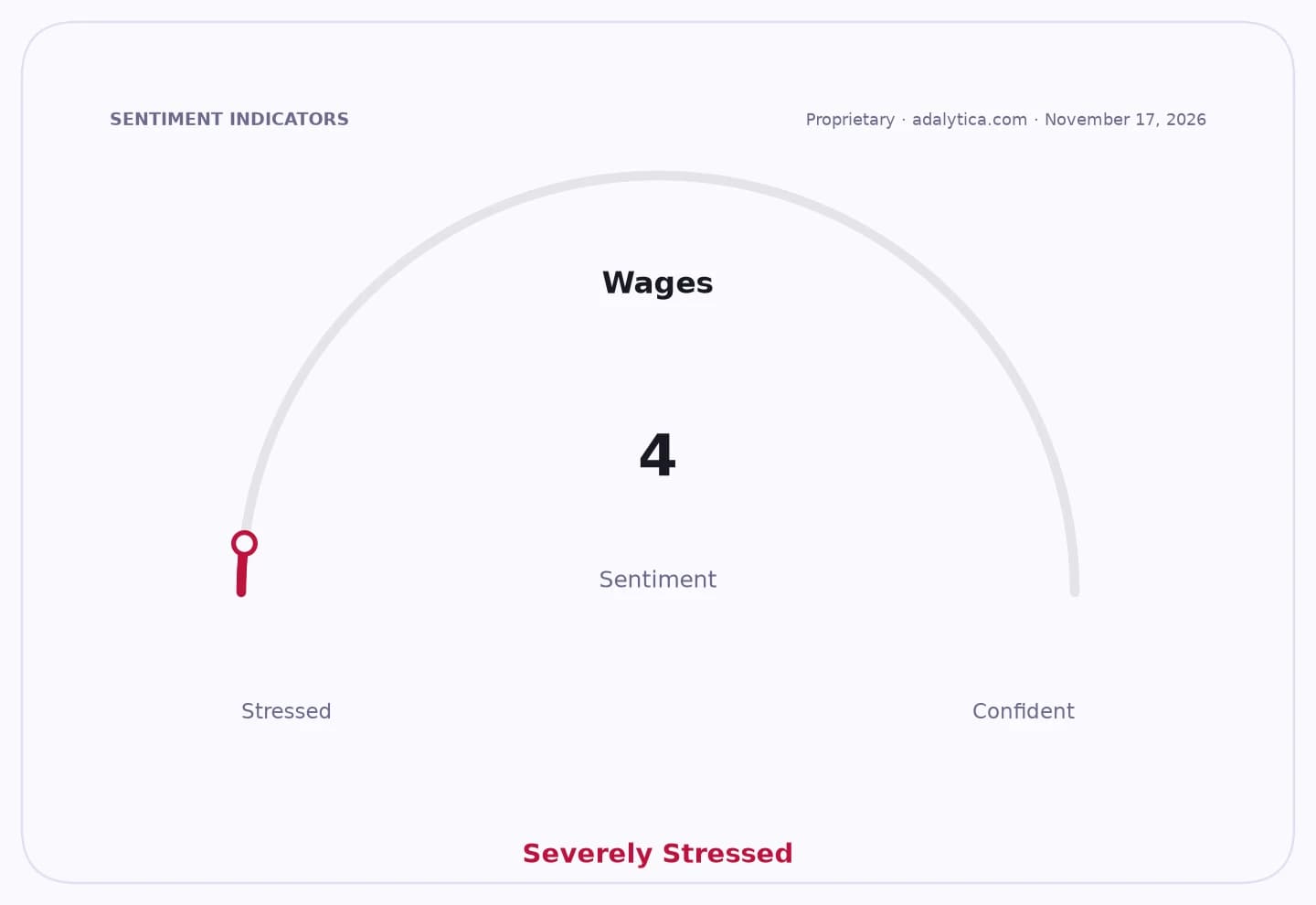
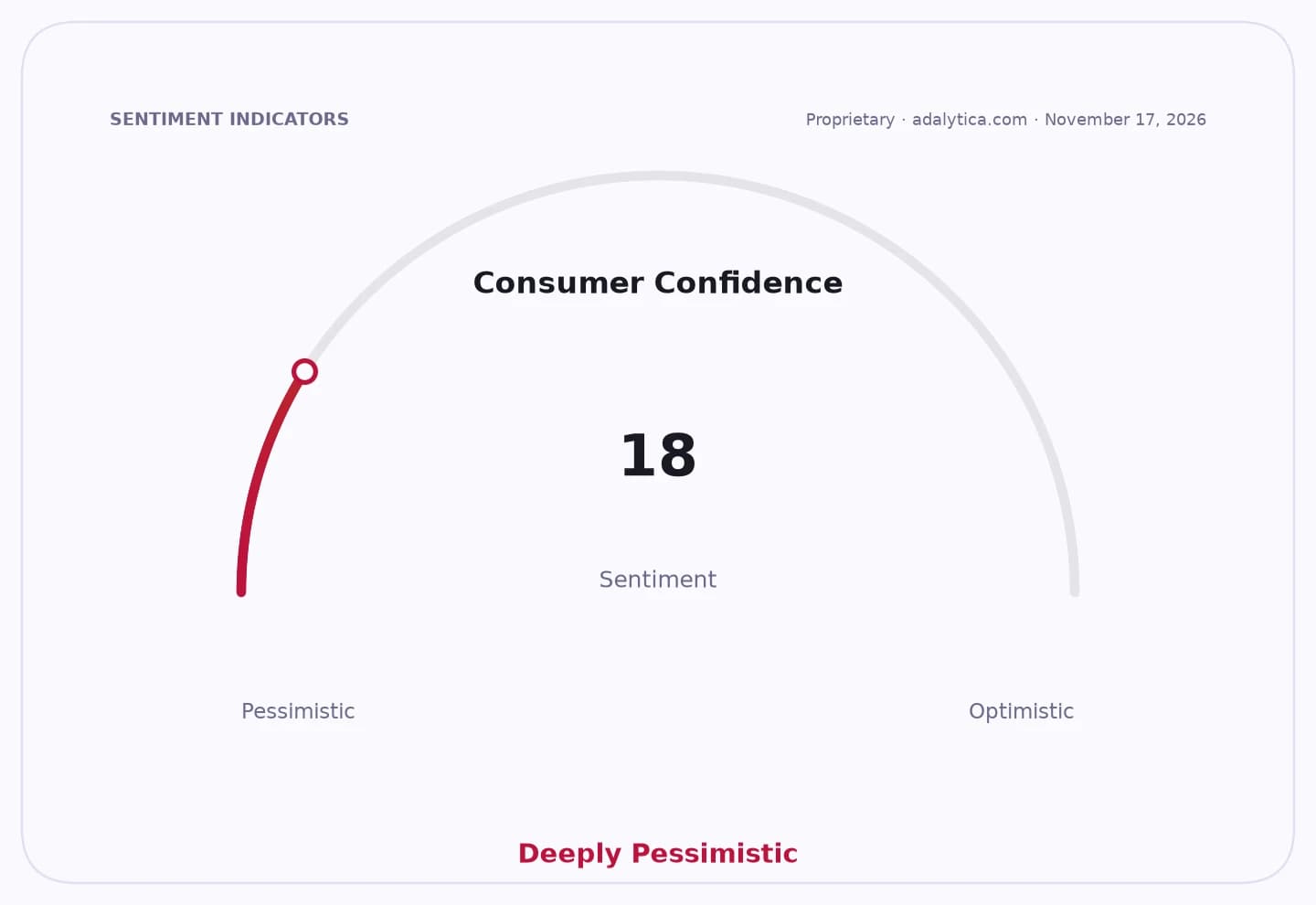
Sentiment Indicators
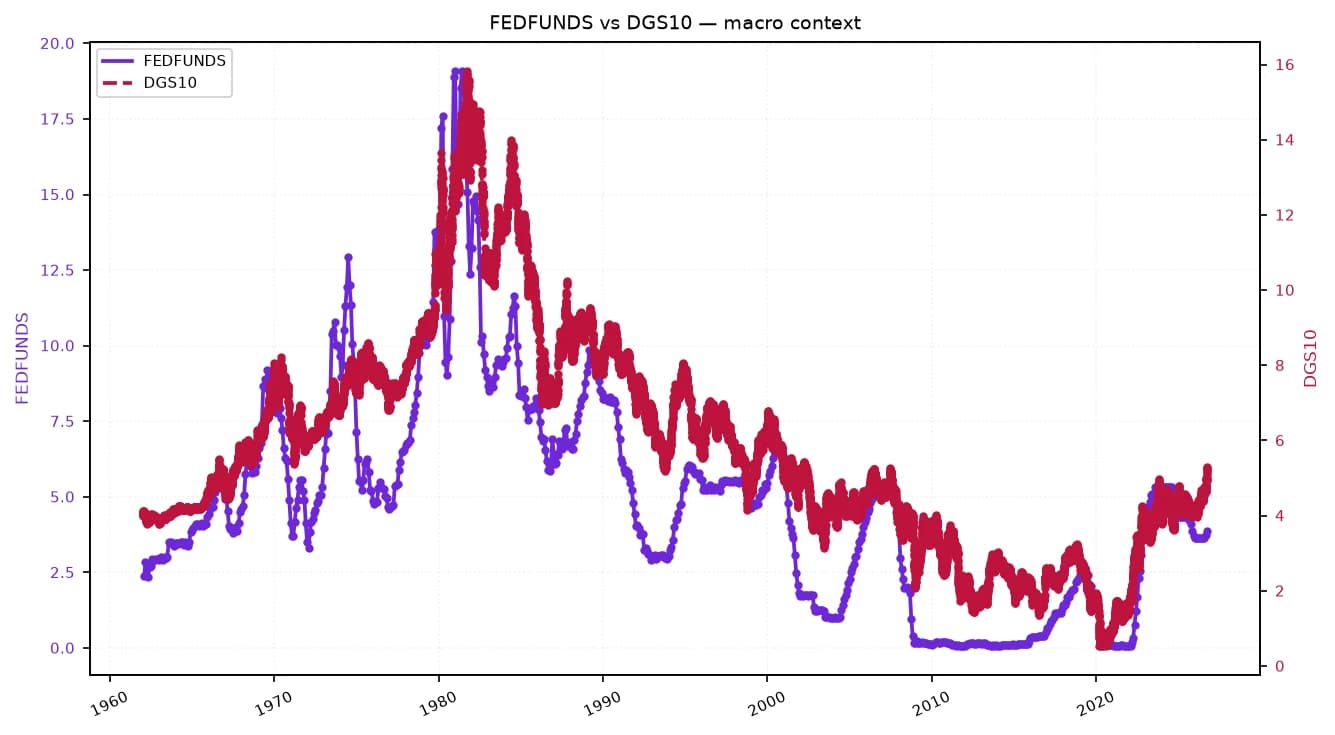
The macro backdrop argues for caution. U.S. inflation data running above expectations has already revived the market’s conviction that the Federal Reserve will keep rates elevated, and that matters well beyond Washington. A firmer dollar and tighter global financial conditions tend to hit emerging markets that rely on commodity exports and imported capital. Kazakhstan is not immune to that, particularly if domestic fiscal easing meets a still-sensitive inflation environment.
That is why the combination of National Fund withdrawals and SME taxation is so important. The withdrawals may provide short-term support to activity and public sector balance sheets, but they also signal that the state is still leaning on fiscal policy to manage growth. If that support is financed in a way that weighs on small business margins, the result could be weaker private-sector investment even as headline demand stays firm. In other words, the economy could get the inflationary part of stimulus without the productivity boost investors want to see.
The market implication is straightforward: this favors assets and businesses that can pass through costs, capture state-linked spending or benefit from any continued rise in domestic prices. It is less friendly to rate-sensitive borrowers, smaller consumer-facing firms and companies with thin margins that cannot absorb a tax hit. The sovereign drawdown may also support local-currency liquidity in the near term, but if inflation expectations move higher, bond investors will demand more compensation and equity valuations could come under pressure.
From an investor’s standpoint, the deeper thesis is that Kazakhstan is entering a policy phase where fiscal support and inflation control are pulling in opposite directions. That creates an opportunity in the winners of state capex, commodities and infrastructure, but it also raises the bar for anything dependent on cheap credit or clean margin expansion. The next catalyst will be whether the government uses the National Fund as a bridge to higher productivity, or simply as a buffer that delays tougher reforms.
| Entity | Gains | Losses |
|---|---|---|
| State-linked contractors | ▲More public spending | ▼Higher scrutiny on execution |
| Commodity exporters | ▲Demand support | ▼Stronger inflation may lift costs |
| Small and midsize businesses | ▲Limited benefit from stimulus | ▼Higher taxes, thinner margins |
| Bondholders and rate-sensitive borrowers | ▲Short-term liquidity | ▼Sticky inflation, tighter policy |