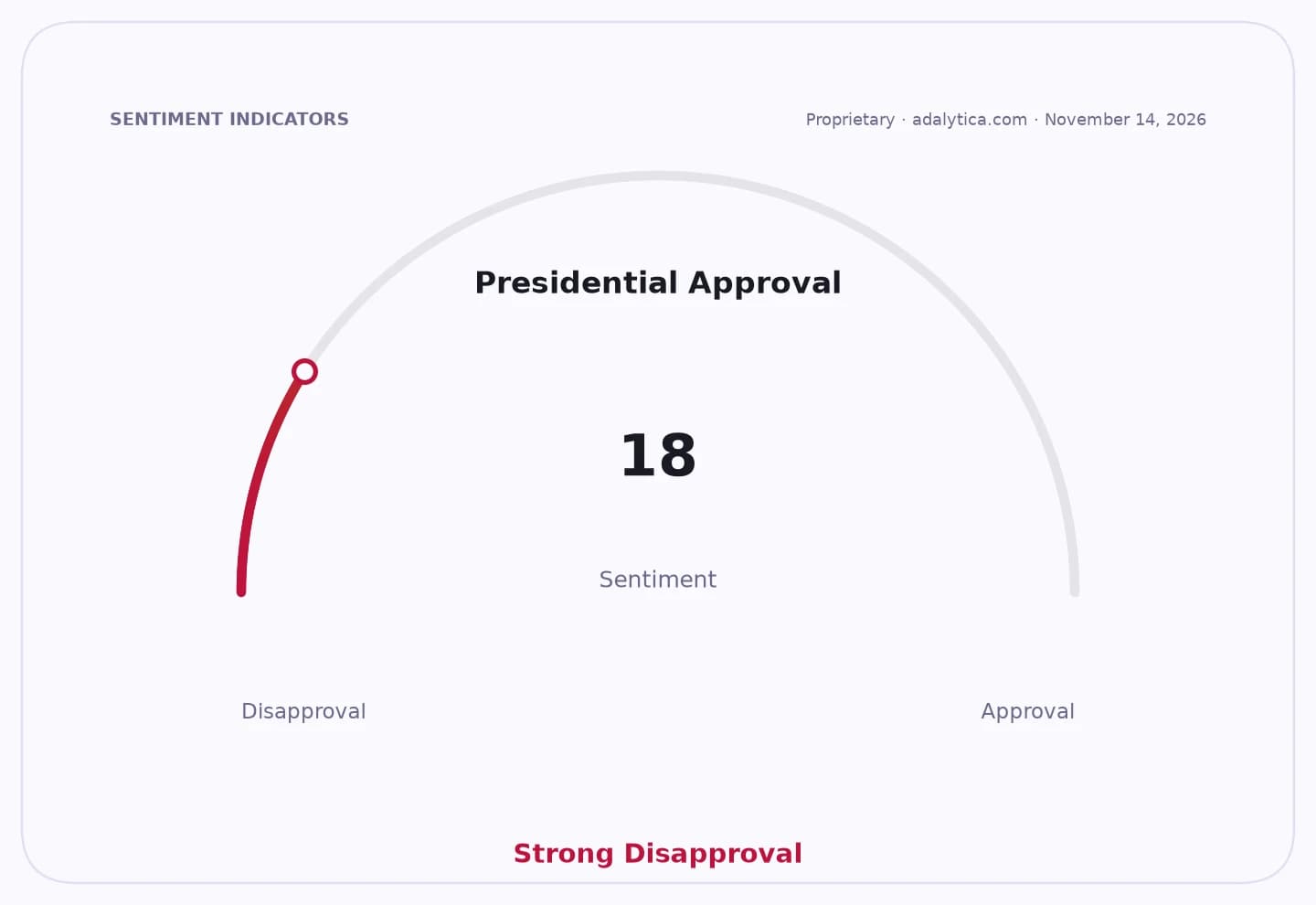
Voters have forced Washington back to the same economic problem that helped shape the election: inflation is still too high, and the next political fight will be over who pays to bring it down.
Inflation, deficits and AI shape post-election markets

That matters because the message is not just about prices at the grocery store. It points to a policy squeeze that could define markets for months: a Republican White House and Democratic Congress now have incentives to talk about relief, but the remedies that would really cool inflation — tighter spending, tougher deficit control and less pressure on the Federal Reserve — are politically painful.
Sentiment Indicators
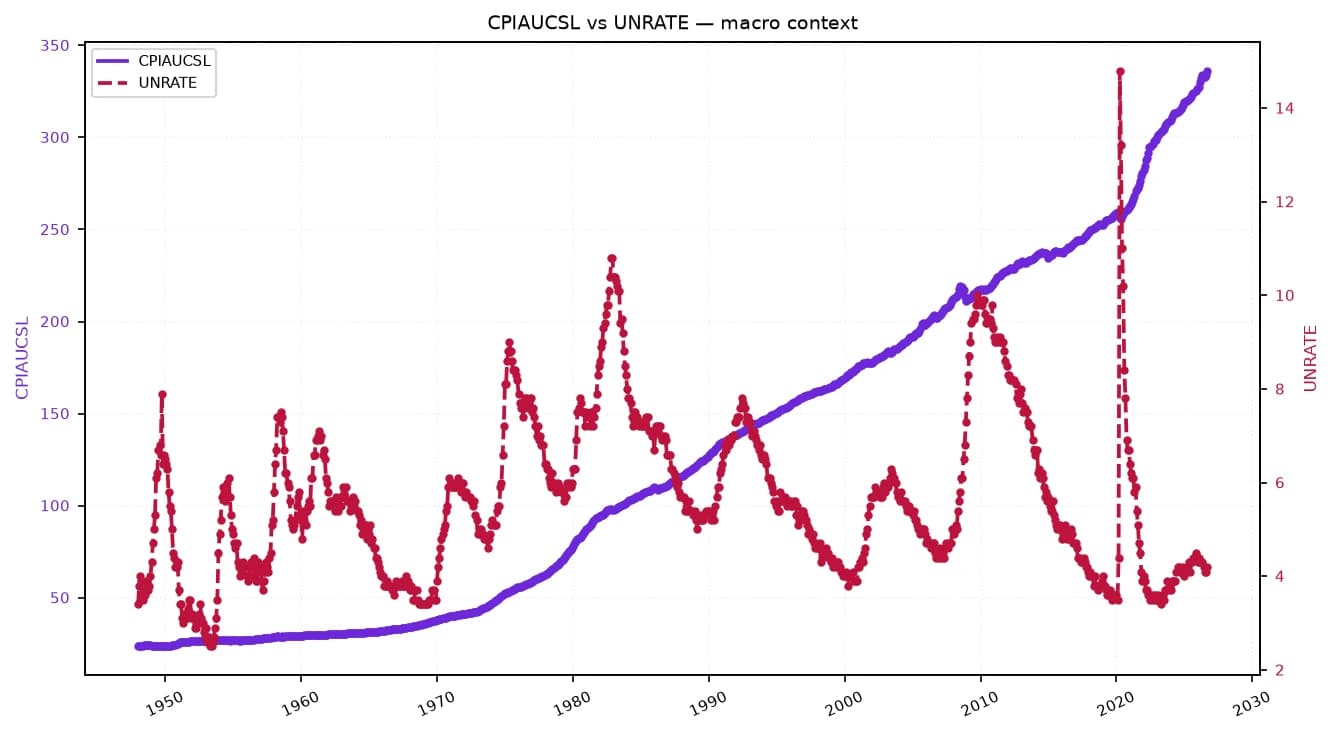
Long-term Inflation Expectations
The economic stakes are immediate. Annual CPI inflation is running at 3.7%, still well above the Fed’s 2% target, while core prices remain sticky. The government is borrowing roughly $2 trillion a year, and debt service already tops $1 trillion annually, a burden that crowds out other priorities and keeps pressure on bond yields. In other words, voters are asking for lower prices at exactly the moment Washington’s fiscal math is becoming harder.
For investors, that is a different kind of catalyst. If the post-election gridlock limits Trump’s ability to pressure the Fed or force through larger deficit-financed stimulus, it could help Treasury yields stabilize and give the central bank more room to stay focused on disinflation. That is why the bond market is central to this story. Long-duration assets, rate-sensitive sectors and companies dependent on cheaper capital all stand to benefit if inflation expectations cool and the Fed’s path becomes less erratic.
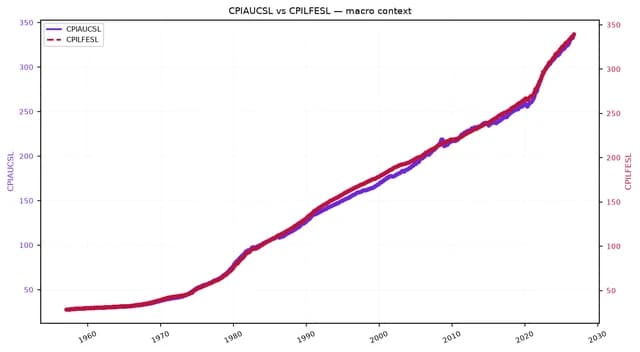
The flip side is that there is no clean political fix. Trump says he wants to work with Democrats, but he is also threatening to veto measures he sees as harmful and still wants more military spending. Democrats are preparing to block parts of his agenda while also confronting the same fiscal pressures. Even the obvious fixes — trimming healthcare costs, reining in Medicare outlays or lifting more tax revenue from higher earners — are politically explosive. Yet without some combination of spending restraint and tax changes, the deficit story keeps feeding higher borrowing costs.
That is why the Fed may emerge as an unexpected winner from the new split government. A Democratic Senate could complicate Trump’s ability to reshape the central bank, which in turn may reduce political interference just as policymakers try to guide inflation back toward target. Economists are already arguing that monetary policy alone cannot do the job; fiscal discipline will have to do some of the work too.
The biggest structural wildcard is artificial intelligence. AI is supporting growth, capital spending and equities even as voters say they distrust it. Construction data cited in the source points to an 80.6% jump in data center building over the past year, showing how much of the economy’s investment engine now depends on compute infrastructure rather than traditional factories or offices. That is bullish for power, chips, networking gear, utilities and data-center real estate — but it also leaves the economy more exposed if lawmakers move to restrict the sector or if the market starts pricing in tighter oversight.
That is the real narrative here: Americans are demanding relief from inflation, but the path to getting it runs through trade-offs that Wall Street will have to price in. Deficit reduction would be bullish for bonds and rate-sensitive assets, while aggressive regulation of AI would hit one of the market’s strongest growth engines. The market is not just choosing between policy winners and losers; it is choosing between slower inflation and slower growth.
For now, the investable takeaway is clear. Favor assets that benefit from lower rates, fiscal restraint and continued AI infrastructure buildout, while staying cautious on sectors that rely on persistent deficit spending or an unchecked expansion in consumer borrowing. The next phase of the cycle is likely to reward investors who position for disinflation without assuming Washington can deliver it painlessly.
| Entity | Gains | Losses |
|---|---|---|
| Treasurys | ▲Lower-yield support | ▼Deficit-fueled pressure |
| Rate-sensitive stocks | ▲Easier financing | ▼Sticky inflation |
| AI infrastructure | ▲Capex tailwind | ▼Regulatory crackdowns |
| Consumers | ▲Lower price pressure | ▼Higher borrowing costs |