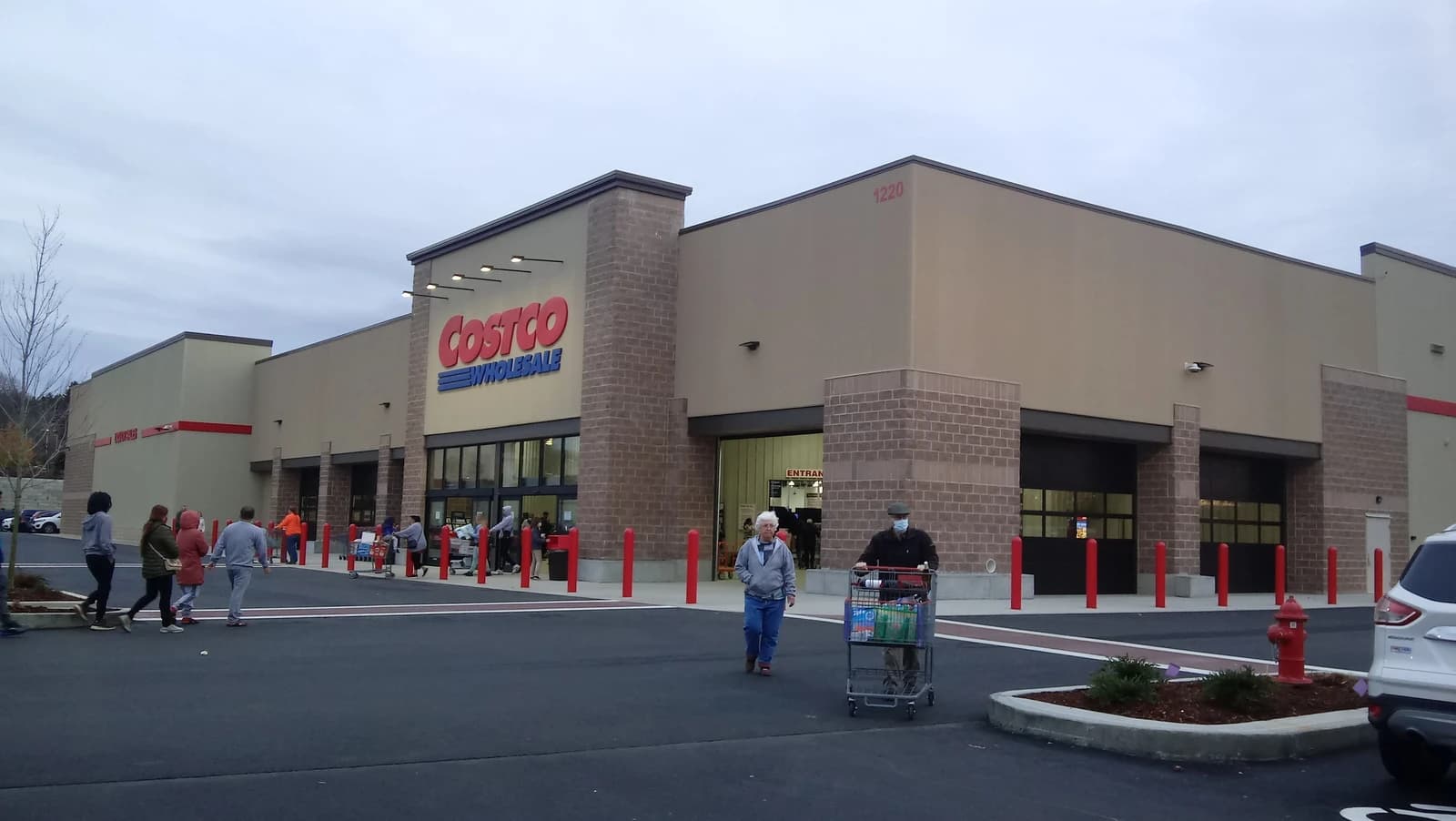
Costco is leaning into one of retail’s most dependable seasonal trades: parents trying to stretch grocery budgets while keeping school lunches and breakfasts easy.
Costco back-to-school grocery lineup and stock levels
The warehouse club’s latest back-to-school food lineup underscores why bulk and private-label grocery remains one of its most durable traffic drivers. From Nature Valley granola bars and Barnum’s Animals Crackers to Kirkland Signature fruit and vegetable pouches, the assortment is built around inexpensive, individually portioned snacks that can be bought once and used across weeks of lunch-packing.
That matters because the back-to-school period is a high-frequency shopping window for supermarkets, club stores and mass merchants, especially as families look for affordable convenience. Costco’s pitch is simple: buy in bulk, cut the per-unit cost and reduce the number of trips. In a period when household budgets remain sensitive to food inflation and wage growth is uneven across incomes, that model tends to favor retailers with scale, private label strength and loyal members.
The product mix also shows how school-season demand has evolved. Parents are not only buying traditional lunchbox fillers but also protein-forward and “better-for-you” items, such as Prime Bites protein brownies, Amylu maple chicken patties and gluten-free Siete cookies. That reflects a broader grocery trend in which convenience no longer means purely packaged junk food; it increasingly means snacks that are portable, portioned and perceived as healthier. Costco is using its buying power to meet both needs without abandoning its value proposition.
For investors, the story is less about one social-media-friendly list than about Costco’s competitive positioning. The company’s limited-assortment model and bulk economics are designed to win during periods of consumer trade-down, while its private-label Kirkland brand can protect basket size even when shoppers become more price-conscious. That helps explain why Costco often attracts traffic when families are actively replenishing the pantry for school schedules, sports and weekday breakfasts.
The shares reflect a business still prized for resilience even after a volatile stretch in the broader retail group. Costco’s stock was last around $893.74, below its 50-day moving average of $937.72 and its 200-day average of $958.37, with RSI readings near 23 pointing to a technically oversold setup. Walmart has held firmer near $107.50 and Target around $154.68, but Costco’s appeal remains tied to its membership model and repeat grocery demand rather than discretionary fashion or home goods.
The next question is whether school-season basket sizes can offset any moderation in consumer spending later in the year. If families continue to trade toward value and convenience, Costco stands to benefit. If food inflation eases and shoppers become less motivated to stock up in bulk, the advantage becomes more about retention than incremental gains. Either way, the back-to-school aisle remains one of the clearest reminders that groceries, not just big-ticket goods, are central to Costco’s long-term earnings story.
| Entity | Gains | Losses |
|---|---|---|
| Costco | ▲Higher pantry traffic | ▼Smaller grocery rivals |
| Parents/households | ▲Lower per-snack cost | ▼Premium snack brands |
| Kirkland Signature | ▲More repeat purchases | ▼Branded lunchbox staples |
| Walmart/Target | ▲Seasonal spillover traffic | ▼Share of bulk grocery trips |