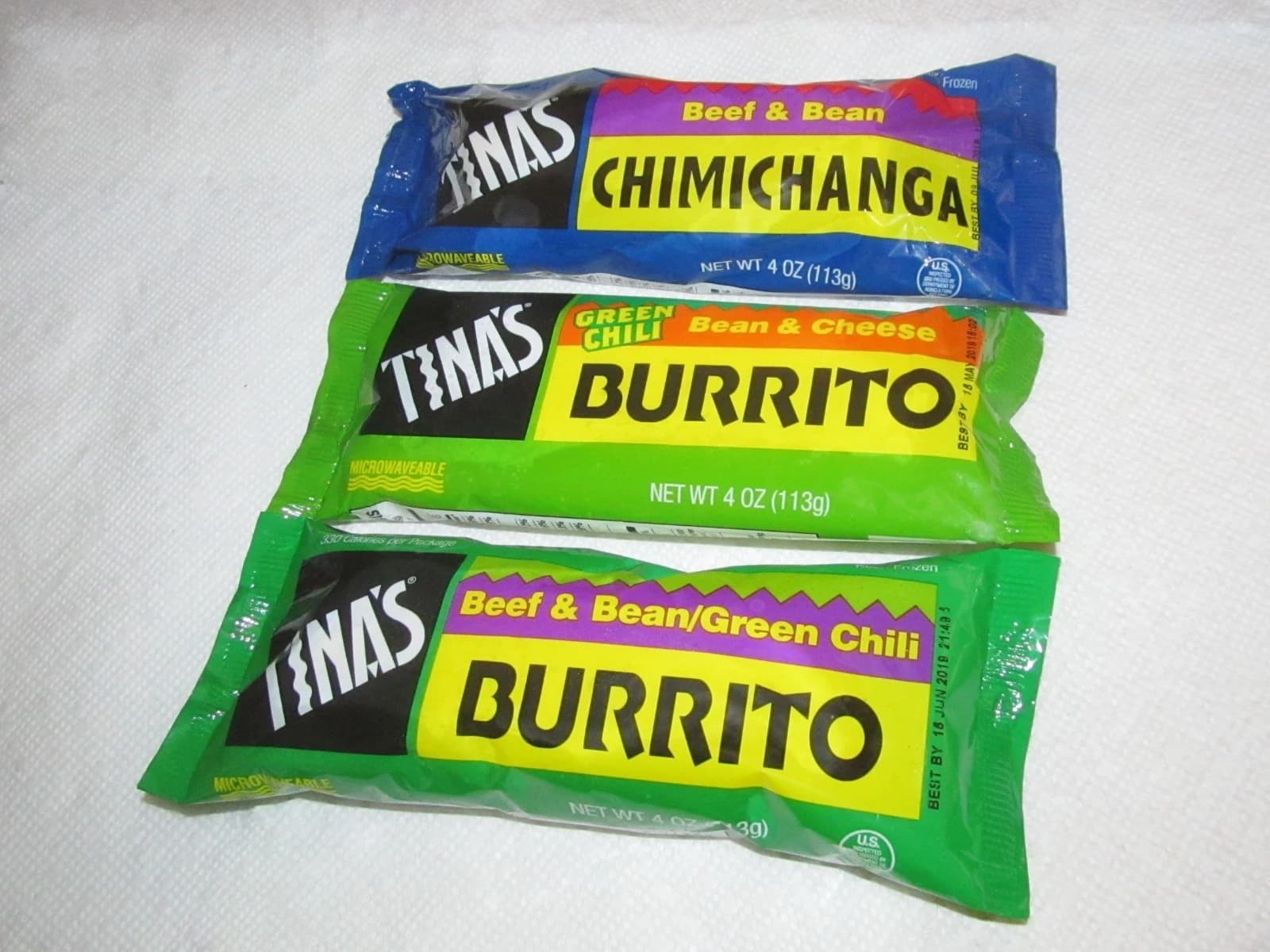
Costco Wholesale is facing a fresh food-safety headache after frozen burritos sold in its warehouses were mislabeled, prompting a U.S. Department of Agriculture public safety alert that could dent consumer trust in one of retail’s most loyal memberships.
Costco burrito labeling alert after USDA safety notice
The immediate economic issue is not the burrito itself, but the way a labeling error can quickly become a brand problem in a channel built on scale, speed and confidence in private-label and partner-supplied foods. Costco’s model depends on shoppers believing that the warehouse floor is a curated, low-friction place to stock up without second-guessing what is in the package.
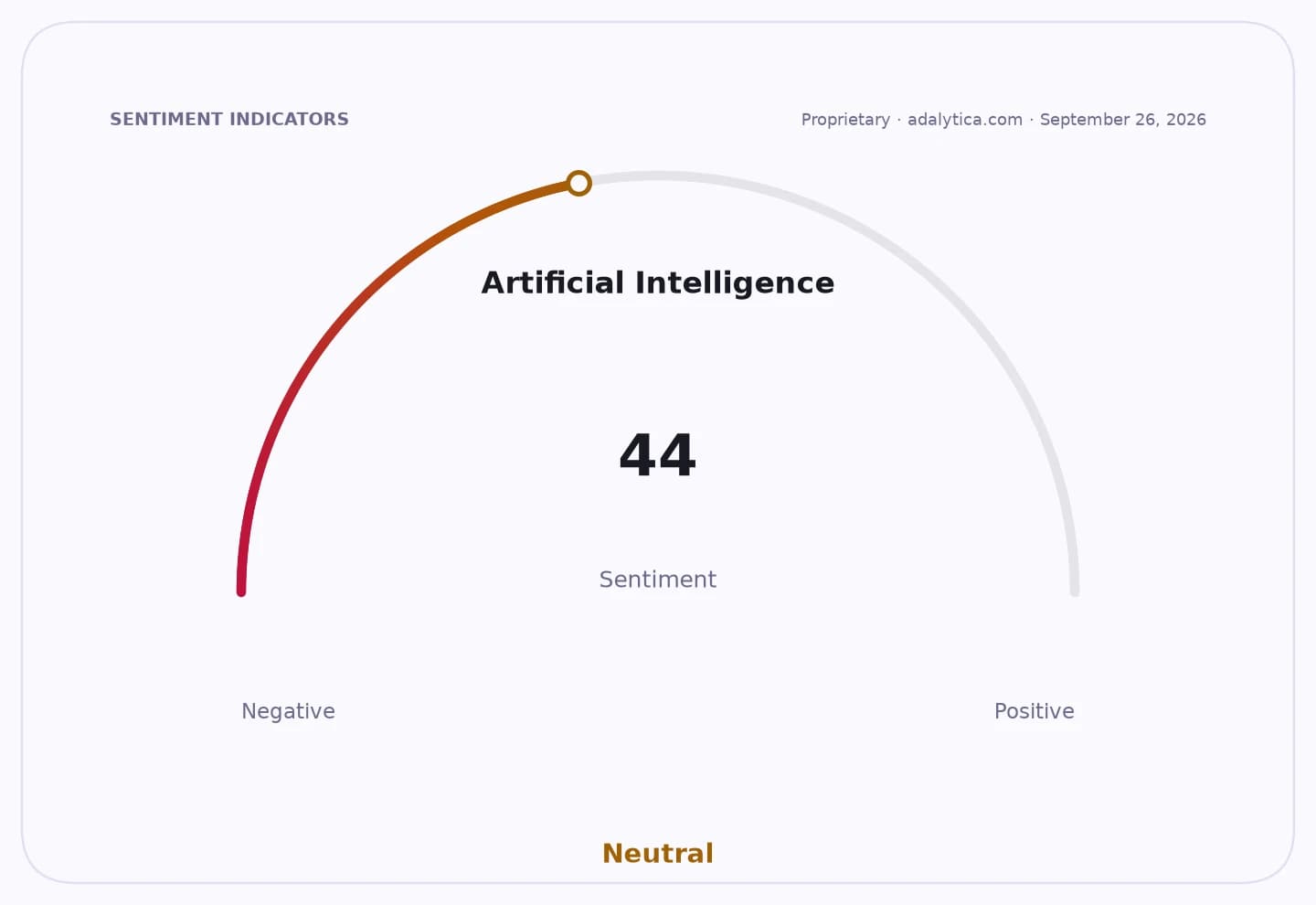
Sentiment IndicatorsⓘProprietary · adalytica.com · July 30, 2026
This is a snapshot — live sentiment, awareness and momentum for 130+ markets update continuously in the dashboard.Open AlphaPulse
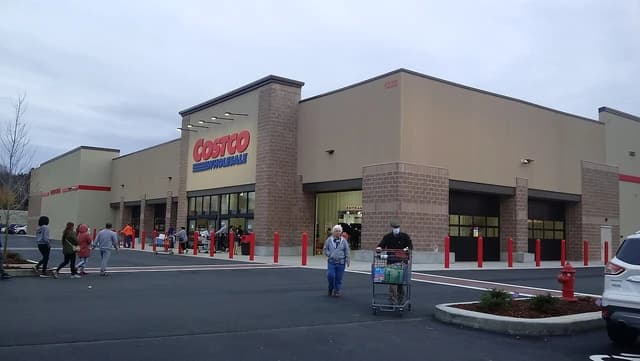
That matters because food recalls and alerts carry outsize reputational costs for warehouse clubs and their suppliers. A single undeclared ingredient can trigger scrutiny from regulators, force pullbacks from shelves and push cautious shoppers toward competing grocers or national brands. For a company like Costco, which uses trust as a competitive moat, even a limited alert can be more damaging than the dollar value of the affected product suggests.
The market has already been telling a more complicated story. Costco shares have rebounded to 974.03 as of July 29 after a sharp pullback earlier in the summer, with the stock trading above its 50-day and 200-day moving averages and its RSI reading near 75, a sign of momentum that can turn fragile if headlines start challenging the company’s quality-control image. General Mills, whose frozen-food portfolio includes burrito and breakfast items through packaged-food distribution, has also been recovering from a bruising spring and summer, while Clorox and other consumer staples names remain under pressure as investors rotate through defensive cash flows rather than reward brand stability blindly.
The timing is also awkward for the broader consumer backdrop. Inflation has eased from its peak, but shoppers remain value-conscious, and retailers are leaning harder on private brands and supplier partnerships to protect margins. That makes execution in labeling, sourcing and quality assurance more important, not less. The USDA alert underscores a simple reality: the next margin expansion in food retail will not come from pricing power alone, but from operational discipline that prevents avoidable losses.
Investors should read this as a reminder that the best-performing consumer businesses are often those that manage the unglamorous plumbing of food safety, traceability and compliance. Costco can absorb a limited alert, but repeated incidents would raise the risk premium on warehouse retail and reward the suppliers, logistics systems and compliance platforms that reduce recall exposure. If the market is underestimating anything here, it is how quickly a minor labeling mistake can become a valuation issue when trust is the product.
For now, the takeaway is straightforward: Costco remains a high-quality compounder, but investors should watch food-safety execution as closely as traffic and membership growth. In a market that prizes reliability, the companies that make product integrity boring are the ones most likely to win.
| Entity | Gains | Losses |
|---|---|---|
| Costco (COST) | ▲Faster quality-control focus | ▼Reputation risk |
| USDA/regulators | ▲Stronger oversight role | ▼Scrutiny if lapses recur |
| Consumers with allergies | ▲Better labeling awareness | ▼Confusion and safety risk |
| Supplier brands | ▲Demand for tighter compliance | ▼Recall costs and legal exposure |