Costco’s cheap gasoline is not a side business or a promotional gimmick; it is a deliberate traffic driver that helps explain why the warehouse chain can keep winning members even when fuel itself contributes little to profit. The strategy matters because fuel prices remain one of the most visible and emotionally charged parts of household spending, and Costco uses them to reinforce its core value proposition at a time when consumer sentiment on spending has deteriorated sharply.
Costco Fuel Strategy Drives Traffic, Loyalty
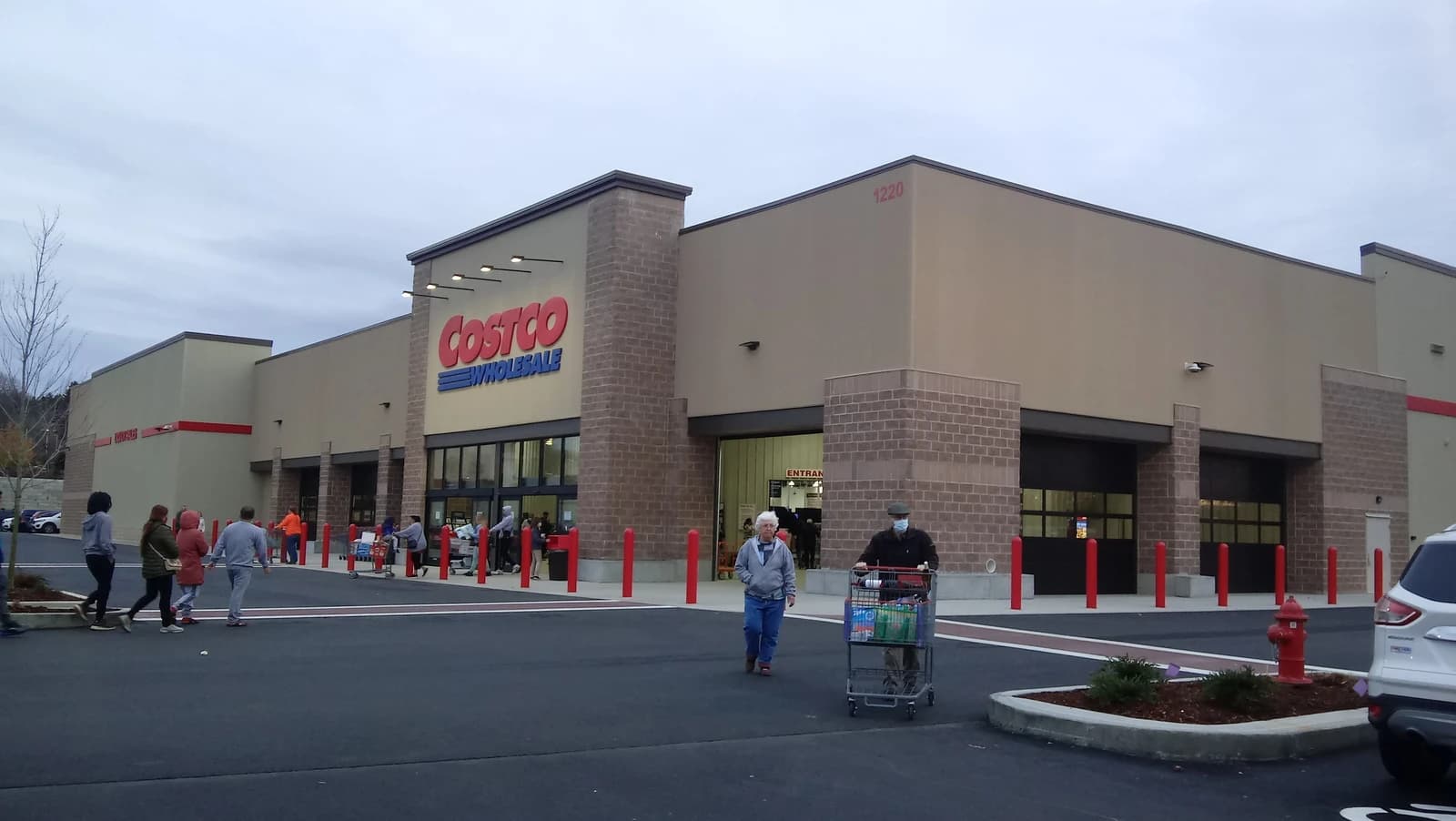
The economics are straightforward. Costco has said in filings that gasoline sales generally carry lower gross margins than merchandise, and a higher penetration of fuel can dilute gross margin percentage even as it lifts net sales. That is exactly why the company can afford to sell gasoline cheaply: the real payoff is not fuel profit, but member acquisition, loyalty and basket traffic. Drivers who save a few cents per gallon often walk into the warehouse, buy higher-margin goods and renew memberships, which are increasingly central to Costco’s earnings model.
Sentiment IndicatorsⓘProprietary · adalytica.com · July 26, 2026
This is a snapshot — live sentiment, awareness and momentum for 130+ markets update continuously in the dashboard.Open AlphaPulse
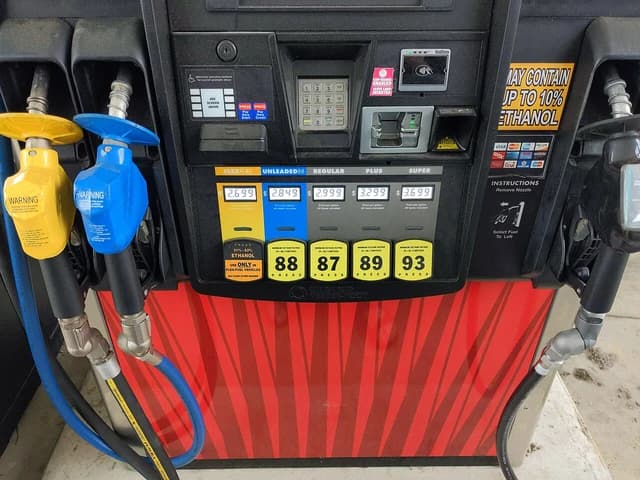
That model has become more valuable as consumers grow more price-sensitive. Adalytica’s Consumer Spending Sentiment gauge is neutral at 32, but awareness is in “Extreme Fear,” with the 30-day reading down 35 points. That does not mean consumers have stopped spending, but it does suggest heightened caution around discretionary outlays and a stronger pull toward retailers that project everyday savings. Costco is built for exactly that environment: low prices on a highly visible staple, then monetization through membership fees and bulk purchases.
The stock’s recent trading pattern also points to a market that is rethinking Costco’s balance between growth and margin. The shares have pulled back from a May high above $1,090 to the mid-$900s, with the latest close at $935.03. The 50-day moving average sits around $968, and the shares remain below it, while RSI readings near 45 suggest the stock is neither deeply oversold nor in momentum territory. In other words, investors have not abandoned the name, but they are less willing to pay peak multiples for a business that increasingly depends on volume, traffic and pricing discipline rather than easy margin expansion.
Costco’s fuel policy is also a competitive signal. Walmart’s Sam’s Club and other warehouse chains use gasoline the same way: as a loss leader or near-loss leader designed to pull in members and increase frequency. That makes the fuel business strategically important even if it is economically thin. In an inflation-prone environment, the retailer that can credibly advertise low gas prices gains an edge not just in fuel, but in the broader battle for wallet share.
There is a macro layer as well. Gasoline is one of the few purchases almost every driver notices every week, so lower pump prices amplify Costco’s brand promise far more effectively than a discount on a less visible item. If fuel inflation re-accelerates, Costco’s pump pricing becomes an even more powerful demand hook. If gasoline prices fall broadly, the relative advantage may shrink, but the company can still use membership economics and scale buying power to preserve its price lead.
For investors, the key question is not whether Costco makes money on gasoline directly, but whether cheap fuel continues to generate the store traffic, renewal rates and executive membership upgrades that underpin long-term earnings power. The bull case is that Costco’s gas stations remain one of the most efficient customer-acquisition tools in retail. The bear case is that if fuel becomes too large a traffic strategy, margin pressure and capital intensity could limit upside if membership growth slows.
The next catalyst is less about oil prices than about whether Costco can keep converting fuel shoppers into high-value members and larger baskets. As long as consumers are cautious and price transparency matters, cheap gasoline will remain one of the company’s most effective economic moats.
| Entity | Gains | Losses |
|---|---|---|
| Costco | ▲Store traffic and loyalty | ▼Fuel-margin percentage |
| Members/drivers | ▲Lower pump prices | ▼None |
| Sam's Club/Walmart | ▲Competitive benchmark pressure | ▼Pricing headroom |
| Shareholders | ▲Stronger renewal economics | ▼Near-term margin dilution |