Costco has started restocking its Kirkland chocolate chips after months of shortages, a small but telling sign that the worst of cocoa-driven supply stress is easing for packaged-food makers and retailers.
Costco restocks Kirkland chocolate chips as cocoa eases
The return matters because chocolate has become a margin test across the food industry. Cocoa futures have fallen from a 2026 peak near 6,309 to about 5,710, still far above pre-shock levels, while producer prices for cocoa remain elevated at 284.1, only modestly below a forecast 289.8 for August. Consumer prices are still climbing as well, with the CPI near 332.8, underscoring that the relief in raw beans has yet to fully work through shelves, contracts and hedges.
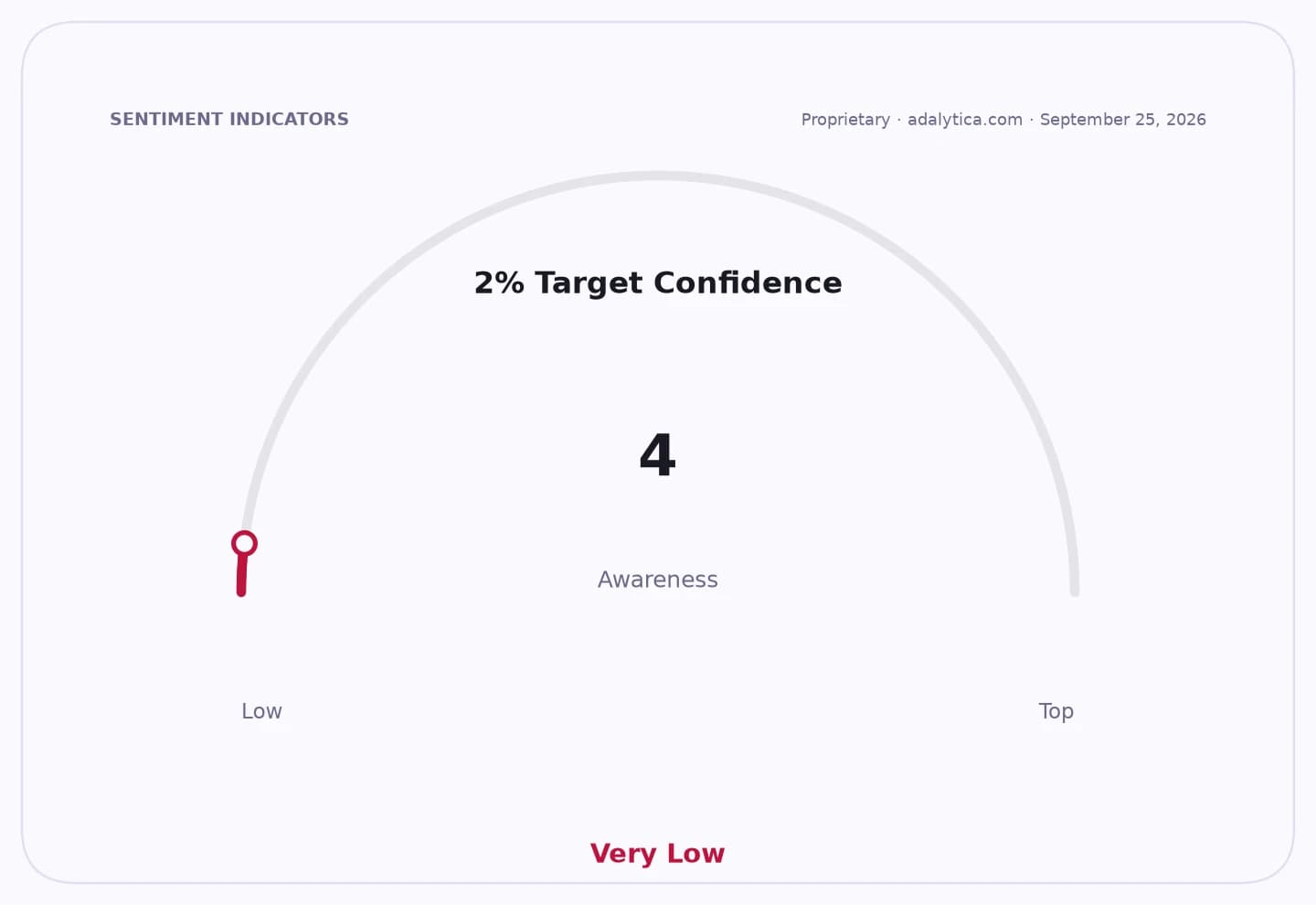
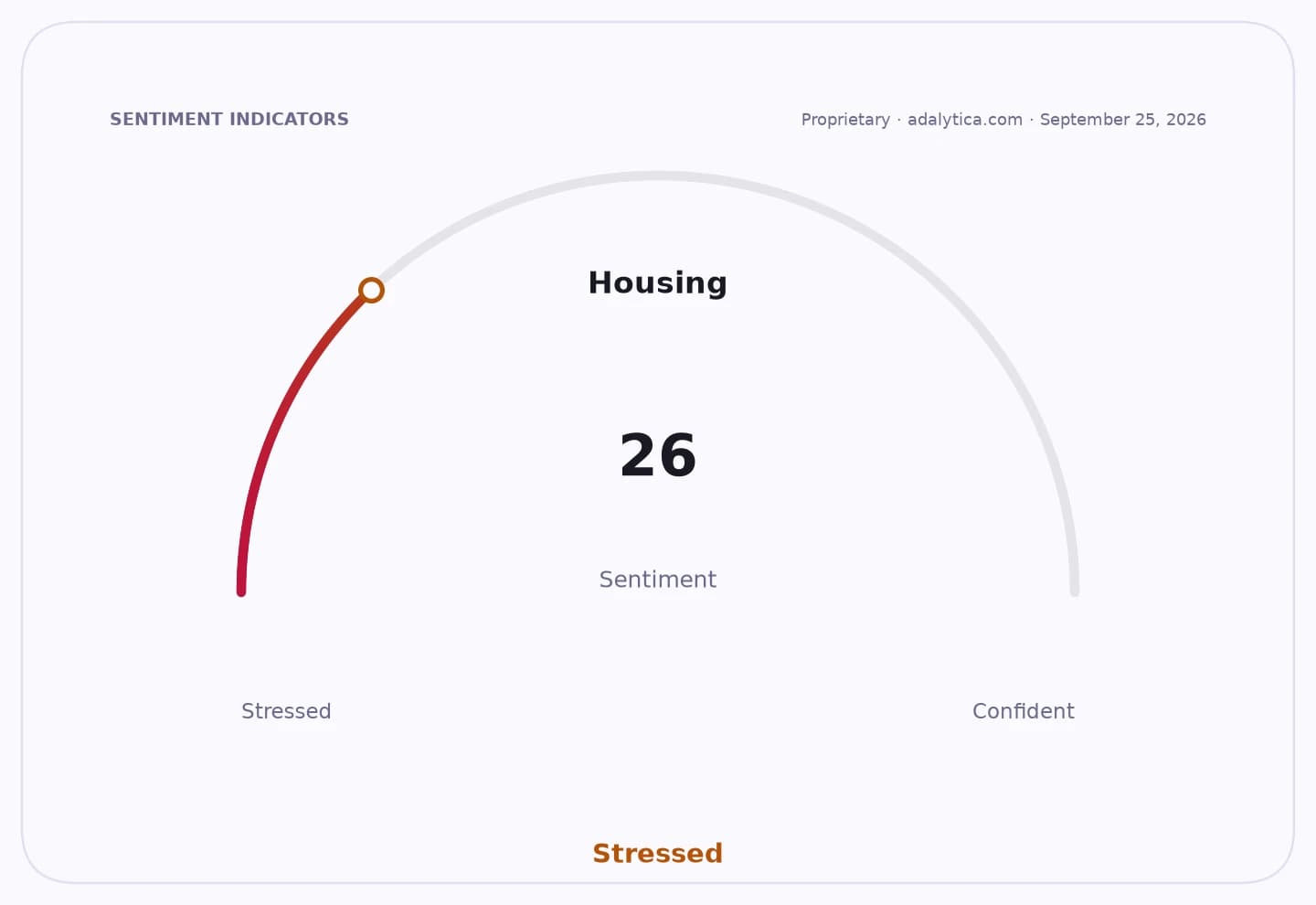
Sentiment IndicatorsⓘProprietary · adalytica.com · August 13, 2026
This is a snapshot — live sentiment, awareness and momentum for 130+ markets update continuously in the dashboard.Open AlphaPulse
For Costco, replenishing a private-label staple helps protect the warehouse chain’s value proposition at a time when shoppers are highly price-sensitive. The company has leaned on its “pricing authority” to keep members loyal, but persistent shortages in a familiar Kirkland item would have risked eroding trust in the brand’s ability to deliver everyday essentials at a discount. Costco shares have steadied around $962, with the stock near its 50-day moving average and above its 200-day line, suggesting investors are rewarding resilience in traffic and merchandising rather than any single product cycle.
The move also speaks to the broader cocoa reset unfolding for confectionery makers. Hershey shares have rebounded to about $186 after trading as low as $159 in November, while technical readings show momentum improving but not overheating. The company has said cocoa supply-demand conditions have improved substantially after several deficit years, and Mondelez has also pointed to inventory timing and hedging as buffers against volatile bean prices. That combination argues for better product availability ahead, even if margins remain squeezed by elevated input costs.
The bull case for chocolate makers is that a larger global surplus can stabilize sourcing, narrow the gap between cocoa futures and physical costs, and gradually restore promotional activity. The bear case is that cocoa remains expensive by historical standards, so even with better supply, retailers and snack companies may continue to trim pack sizes, raise prices or limit assortment.
Investors will be watching whether the Costco restock proves temporary or marks a broader normalization in chocolate supply. If more branded and private-label products return to full distribution, it would reinforce the view that the cocoa shock is moving from acute shortage to margin management — good for shelves, but not yet a clean win for consumers.
| Entity | Gains | Losses |
|---|---|---|
| Costco / Kirkland | ▲Restocked shelf availability | ▼Shortage-driven customer frustration |
| Cocoa suppliers | ▲Higher realized prices | ▼Volatility from easing panic buying |
| Chocolate makers | ▲Better product flow | ▼Margin pressure from still-high cocoa costs |
| Shoppers | ▲Improved access to staple snacks | ▼Limited price relief at checkout |