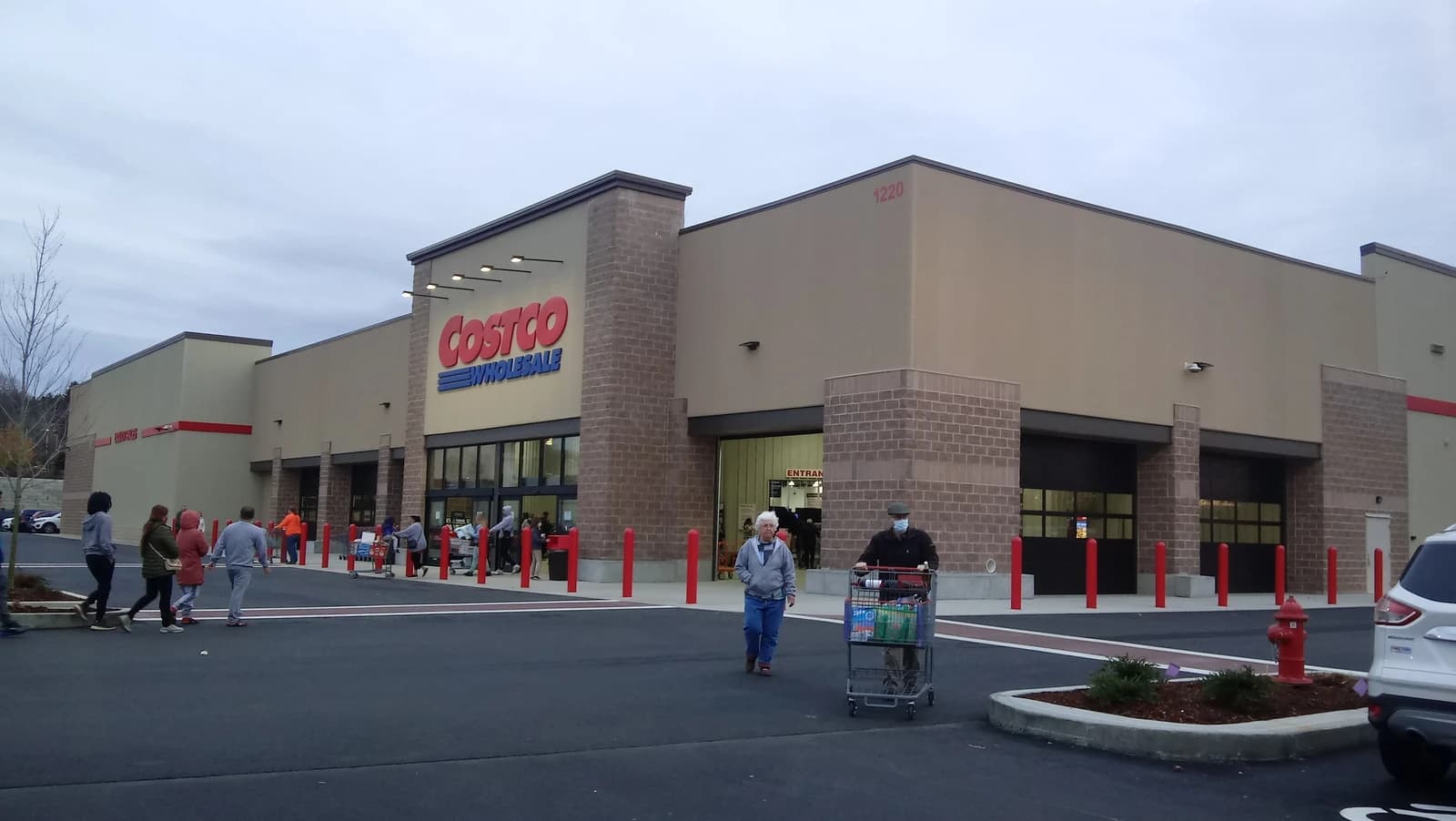
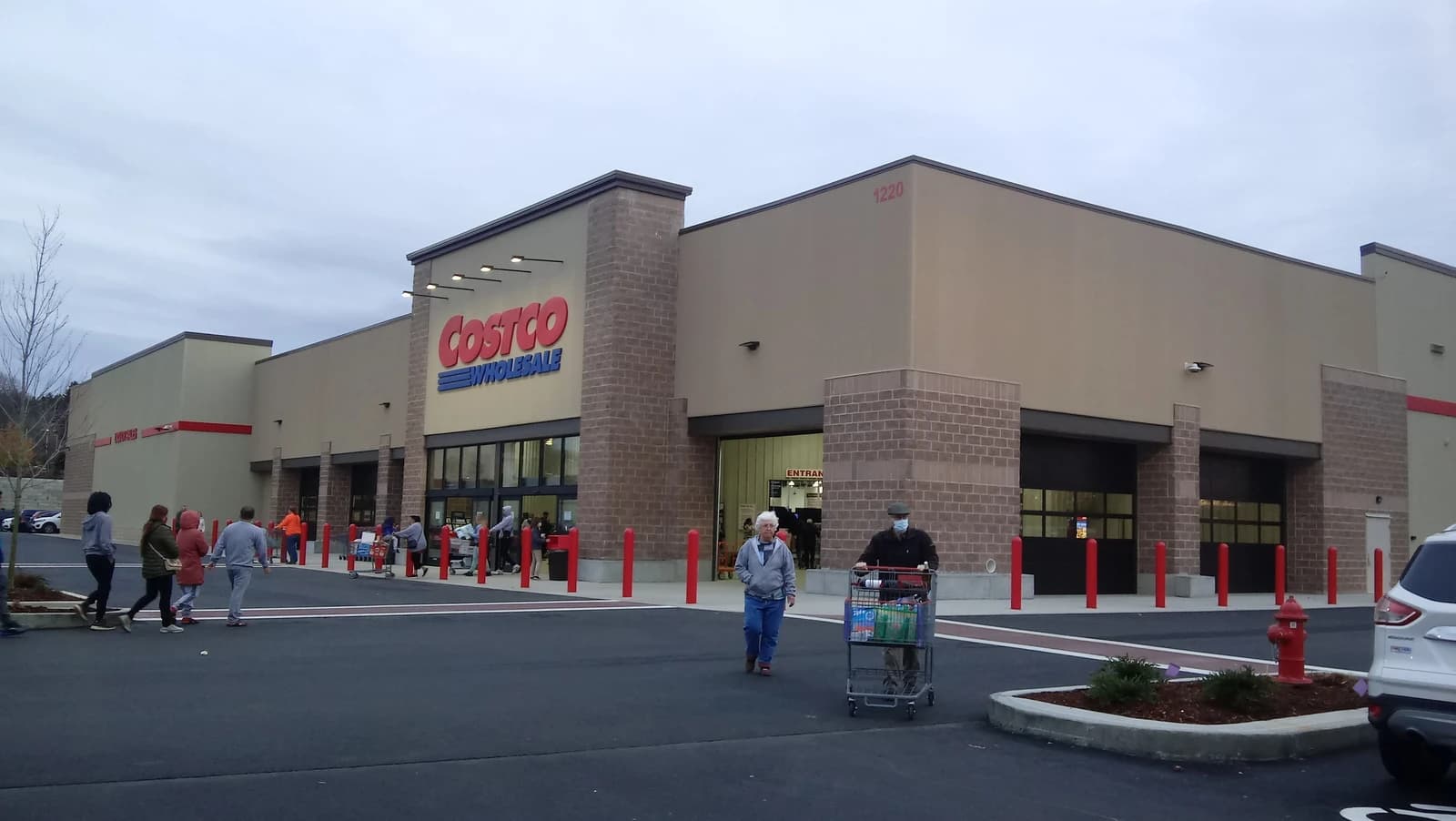
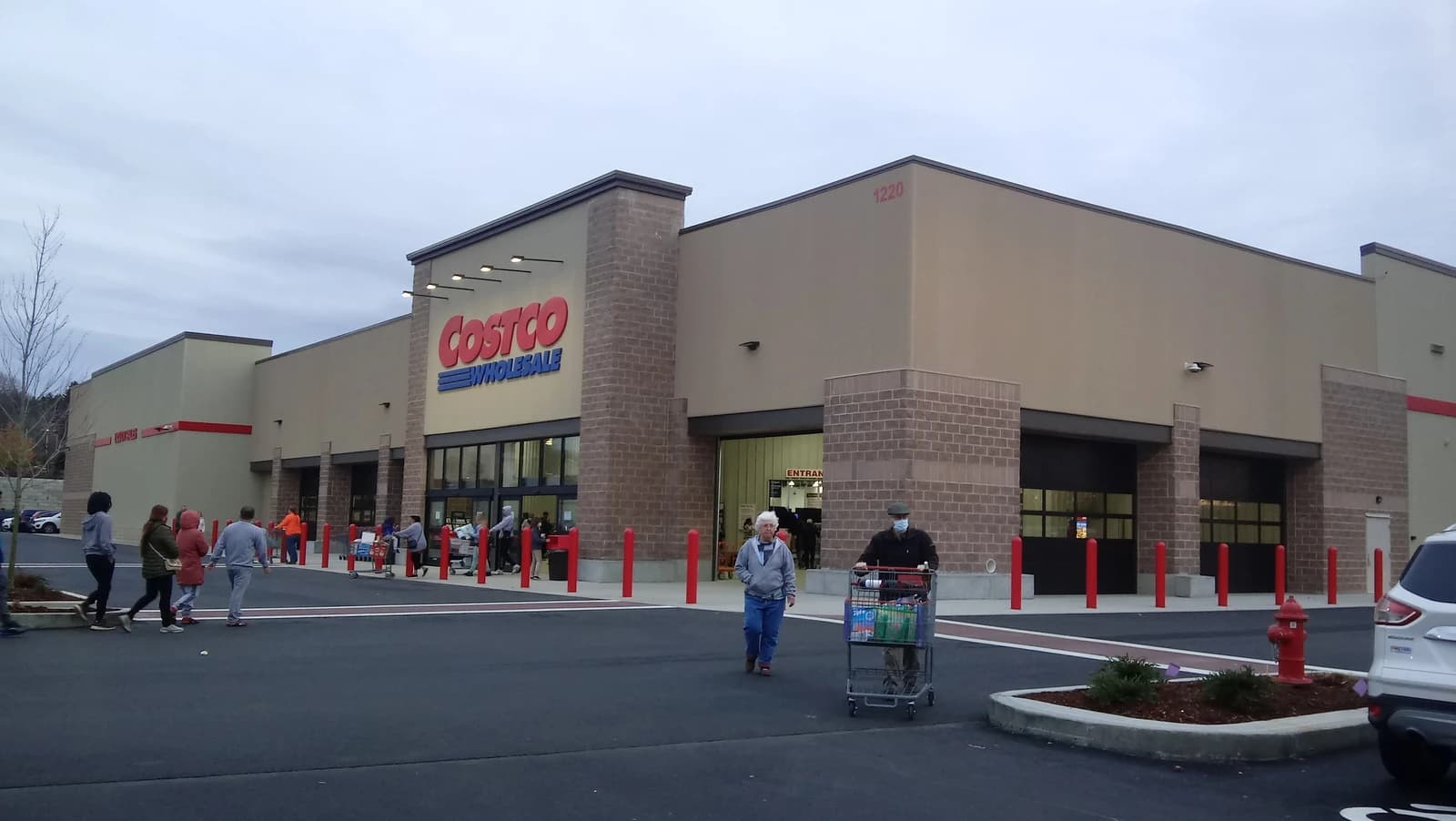
Costco has become more than a warehouse chain that sells bulk paper towels and rotisserie chickens. It is turning into one of America’s most durable social venues, and that matters because the more people treat a store like a destination, the harder it is to replace — and the more valuable the membership model becomes.
Costco membership gains from social shopping habits

For investors, that is the real story behind the friendly sample stations, food-court dates and parent meetups. Costco’s appeal is no longer just about price. It is about habit, routine and connection, three of the stickiest forces in retail. In a country where face-to-face socializing has fallen sharply and traditional gathering spots keep disappearing, Costco has stumbled into a powerful competitive advantage: it gives shoppers a reason to stay longer, come back more often and feel invested in the brand beyond the receipt.
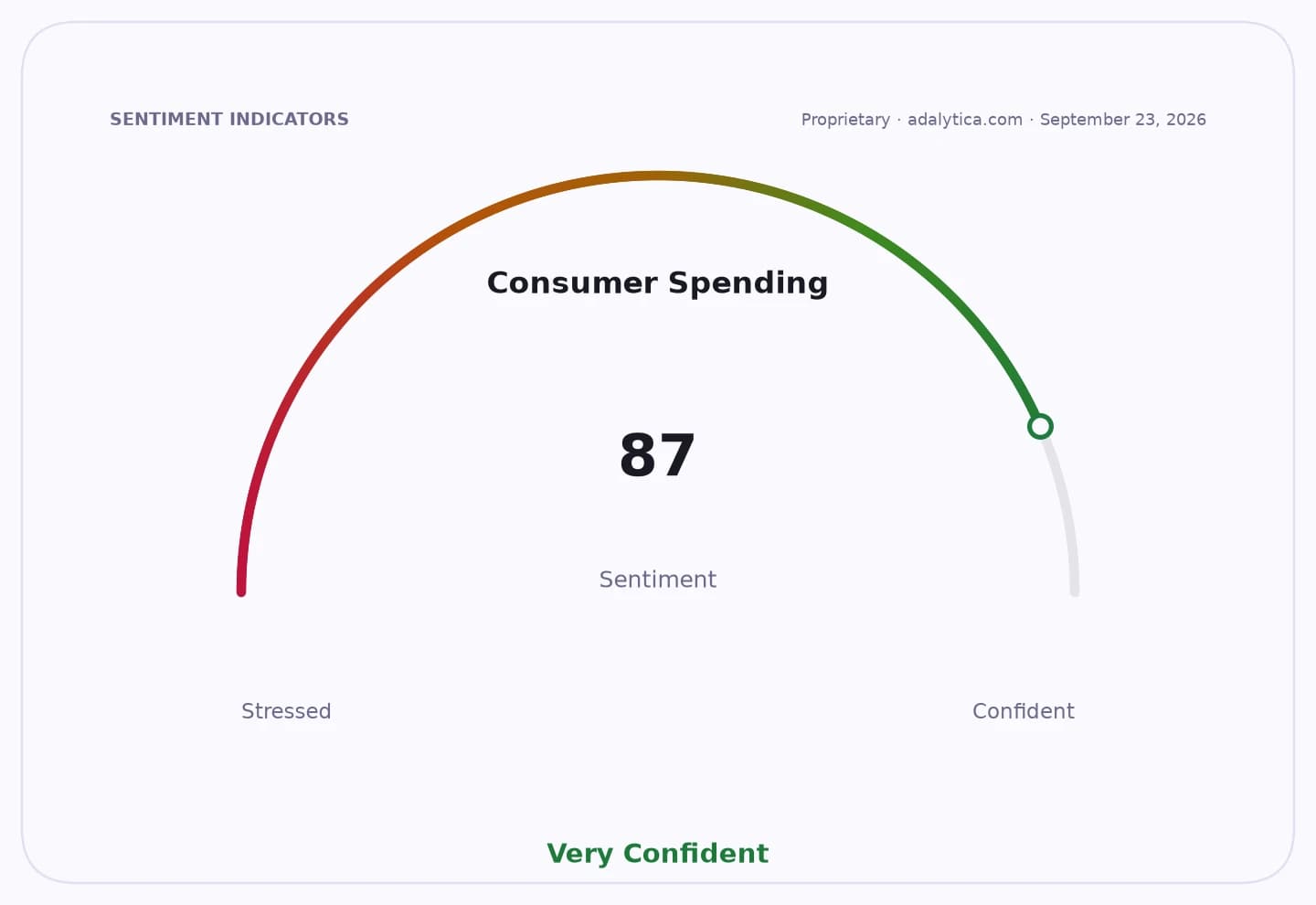
Sentiment IndicatorsⓘProprietary · adalytica.com · September 18, 2026
This is a snapshot — live sentiment, awareness and momentum for 130+ markets update continuously in the dashboard.Open AlphaPulse
That helps explain why Costco’s business model remains so resilient even when shoppers are watching every dollar. Consumer analytics firm Numerator says roughly 72.3 million households shopped at Costco over the past year, and more than a quarter of U.S. households visit at least 12 times annually. Members make about 31 trips a year on average and spend roughly $3,043 annually, far above competitors like Sam’s Club and BJ’s, according to Numerator. Food-court traffic alone reached 144 million trips last year, while Placer.ai says the average Costco visit lasts about 15 minutes longer than a traditional grocery run.
That kind of engagement is not just a cultural quirk. It is a moat. Costco gets paid twice: once when members renew, and again when those members keep loading carts because the trip itself is enjoyable. In its latest quarterly filing, Costco said membership-fee revenue rose 11% in the third quarter and 13% over the first 36 weeks of fiscal 2026, with paid members climbing to 82.9 million from 79.6 million a year earlier. Those fees account for nearly two-thirds of Costco’s profits, which means loyalty and belonging are not soft concepts — they are the engine of earnings.
That is why the social angle matters so much for long-term investors. A business that becomes a ritual can support premium valuation for years, even in a retail sector known for thin margins and fierce competition. Costco is not just competing with Walmart and Target on price; it is competing on experience, convenience and community. Walmart and Target can win traffic with scale and merchandising, but Costco has something harder to manufacture: a sense that a trip to the warehouse is time well spent.
There are risks, of course. The stock has not exactly been cheap, and Costco must keep balancing crowded aisles, inventory discipline and the need to maintain its low-cost aura. But the bigger risk would be losing the very qualities that make the chain feel like a “third place” for shoppers. So far, Costco has managed to turn that human behavior into a repeatable business advantage.
For investors thinking in years rather than weeks, that is the important takeaway. Costco’s social role is not a sideshow to the business; it is part of the moat. If the company keeps converting routine trips into recurring habits, the membership model can keep compounding. For long-term portfolios, Costco remains one of the more compelling consumer names to watch — and possibly own for the long haul.
| Entity | Gains | Losses |
|---|---|---|
| Costco | ▲Higher loyalty and renewal power | ▼Pressure to preserve the experience |
| Members | ▲Social value and bulk savings | ▼Crowding and impulse spending |
| Walmart/Target | ▲Spillover traffic from value shoppers | ▼Less emotional stickiness |
| Investors | ▲Durable recurring revenue | ▼Rich valuation risk |