Ornua’s dispute with Tírlan over a US butter deal matters because it highlights who controls pricing power in a tight global dairy market: the supplier that makes the butter, or the retailer that can place it in front of millions of shoppers. For investors, the real significance is that Costco’s reach is giving producers a new bargaining chip, while forcing established Irish export channels to defend volume, margins and shelf access.
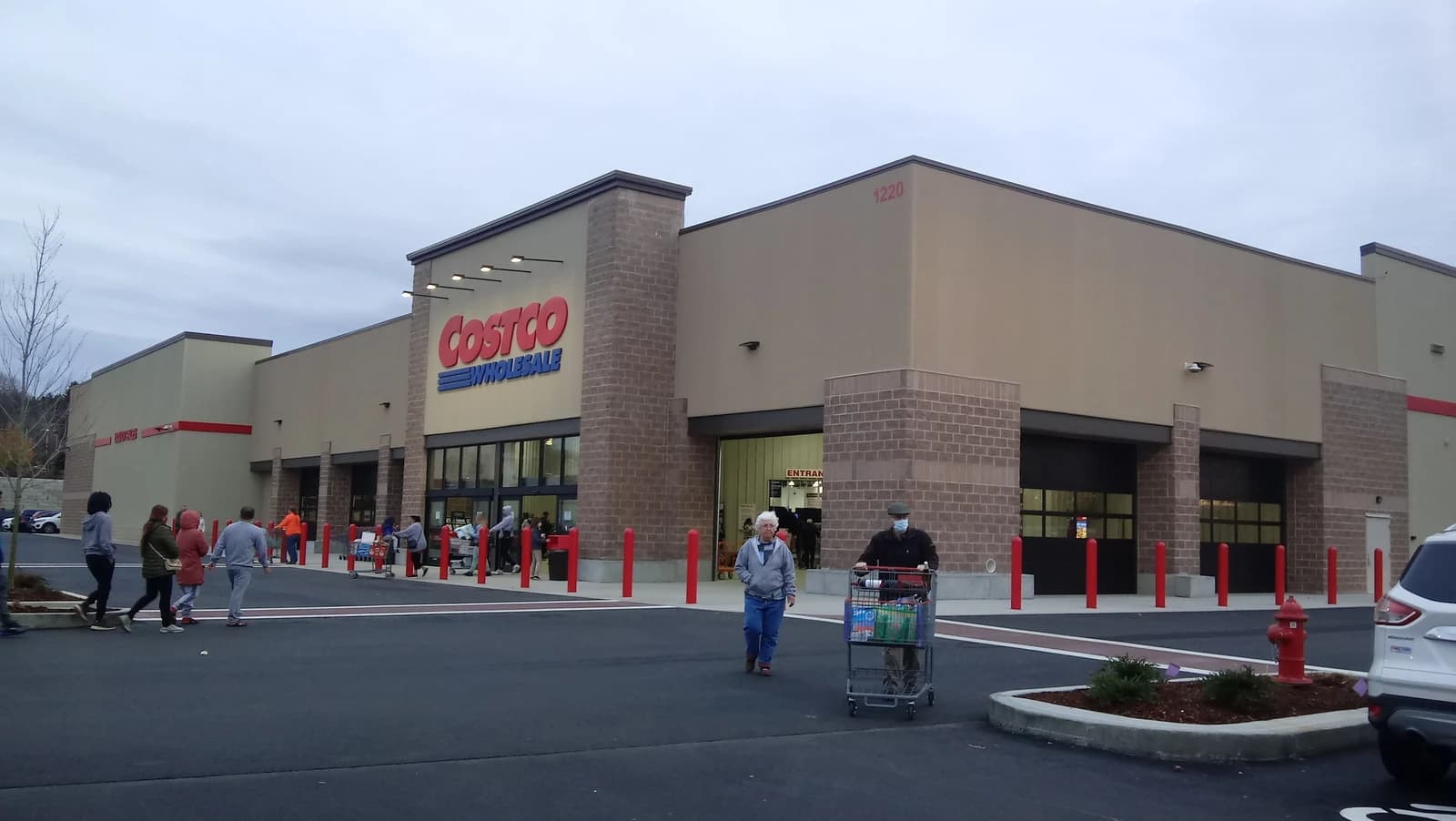
Costco, Ornua dispute over Tírlan US butter deal
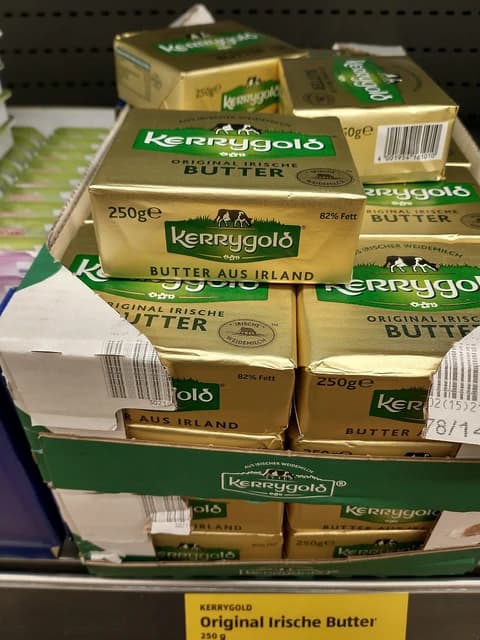
Tírlan, one of Ornua’s largest suppliers, has separately signed an agreement to sell butter to Costco in the US, creating a direct clash with Ornua’s longstanding role as a key marketer and distributor of Irish dairy products. That is more than a contract dispute. It is a test of how much value sits in brand, logistics and distribution versus the underlying commodity itself. In a category where margins are often thin and supply relationships are everything, losing control of a premium route to market can hit earnings and weaken negotiating leverage across the chain.
The timing also matters. Consumer spending sentiment tracked by Adalytica is sitting at an extreme-greed reading of 96, suggesting households are still willing to spend, even as they remain highly price-sensitive. That gives discounters and club retailers like Costco an opening to win share by offering trusted staples at scale. For suppliers, it means access to Costco can be worth fighting for, especially when buyers are chasing value and higher-volume turnover rather than chasing the highest shelf price.
Costco’s own stock action reflects that scale advantage. Shares ended July 31 at $951.89, up sharply from $870.57 on Dec. 10, while the 50-day moving average stood at $958.49 and the 200-day average at $954.92. The move suggests the market still rewards Costco’s membership model and pricing power even after a strong run. Technical readings, including an RSI of 60.4 and a stabilizing MACD, point to a stock that remains firm rather than extended, keeping investor attention on its ability to pull product and supplier terms in its favor.
For Ornua, the risk is strategic as much as financial. If suppliers can bypass central marketing channels and go directly to a giant US retailer, the traditional model of aggregating Irish butter for export comes under pressure. That could mean tougher contract renewals, more fragmented supply flows and less control over premium Irish branding. For Tírlan, the move offers a potentially more lucrative route to American consumers, but it also risks deeper friction with a major channel partner.
The broader investment takeaway is that this is another reminder that the winners in food distribution are often the companies with the best access, not just the best product. Costco looks like the beneficiary of a retailer-first world where scale, traffic and trust matter more than ever. Ornua and other middlemen face a harder fight to justify their role. The market underestimates how much bargaining power shifts when a supplier can choose the retail giant over the traditional exporter — and that is exactly why this dispute deserves attention.
| Entity | Gains | Losses |
|---|---|---|
| Costco | ▲Direct supply leverage | ▼None material |
| Tírlan | ▲US market access | ▼Friction with Ornua |
| Ornua | ▲None material | ▼Loss of channel control |
| Irish dairy rivals | ▲Benchmark from Costco demand | ▼Tougher margin competition |