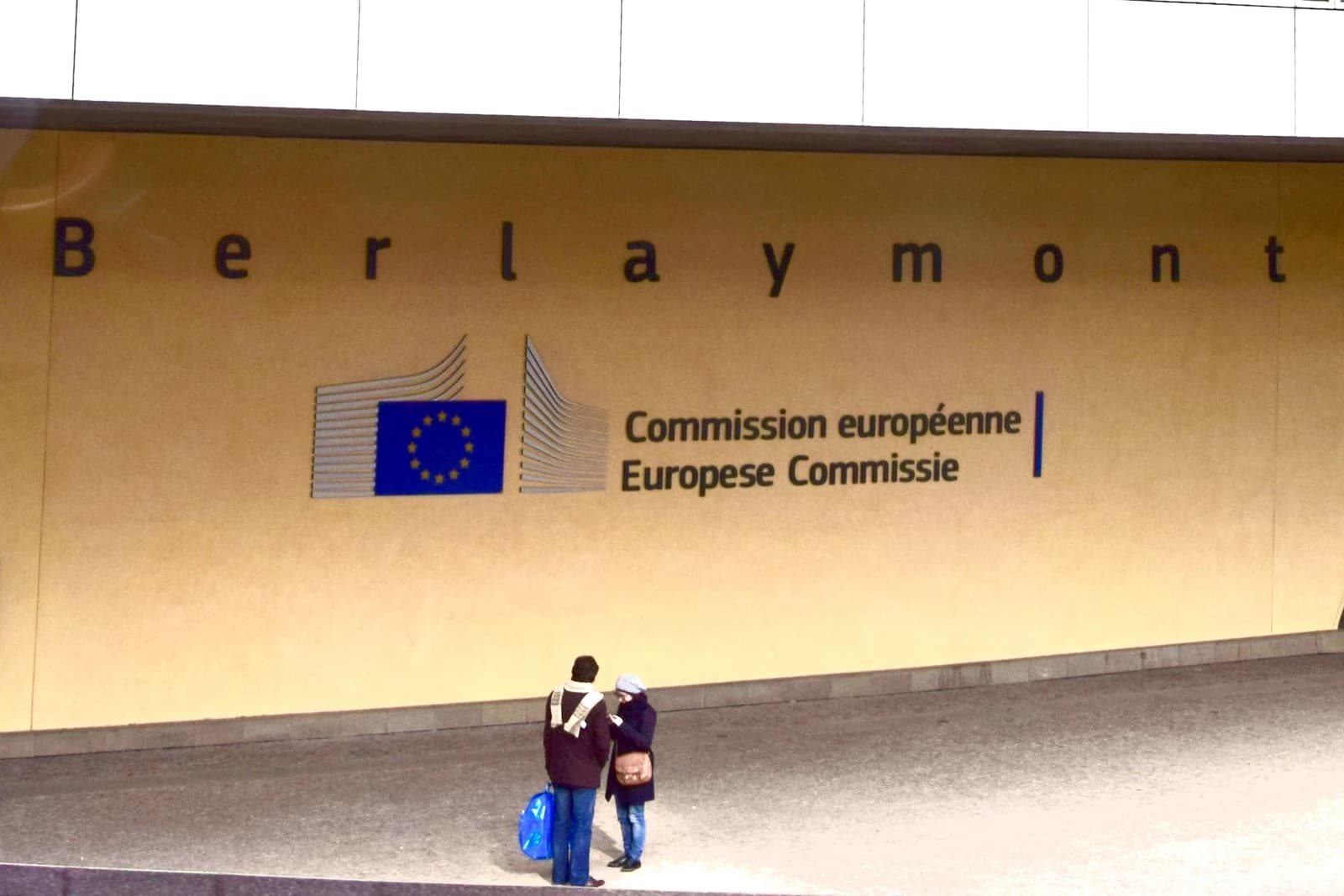
Andrea Orcel says Credit Agricole’s move on Banco Bpm carries an “asymmetric competitive advantage” because French buyers are not facing the same political and regulatory barriers as Italian banks, sharpening the debate over how Rome treats lenders at a time when the sector is already under pressure from higher taxes and tighter capital constraints.
Credit Agricole, Banco Bpm and Italian bank taxes
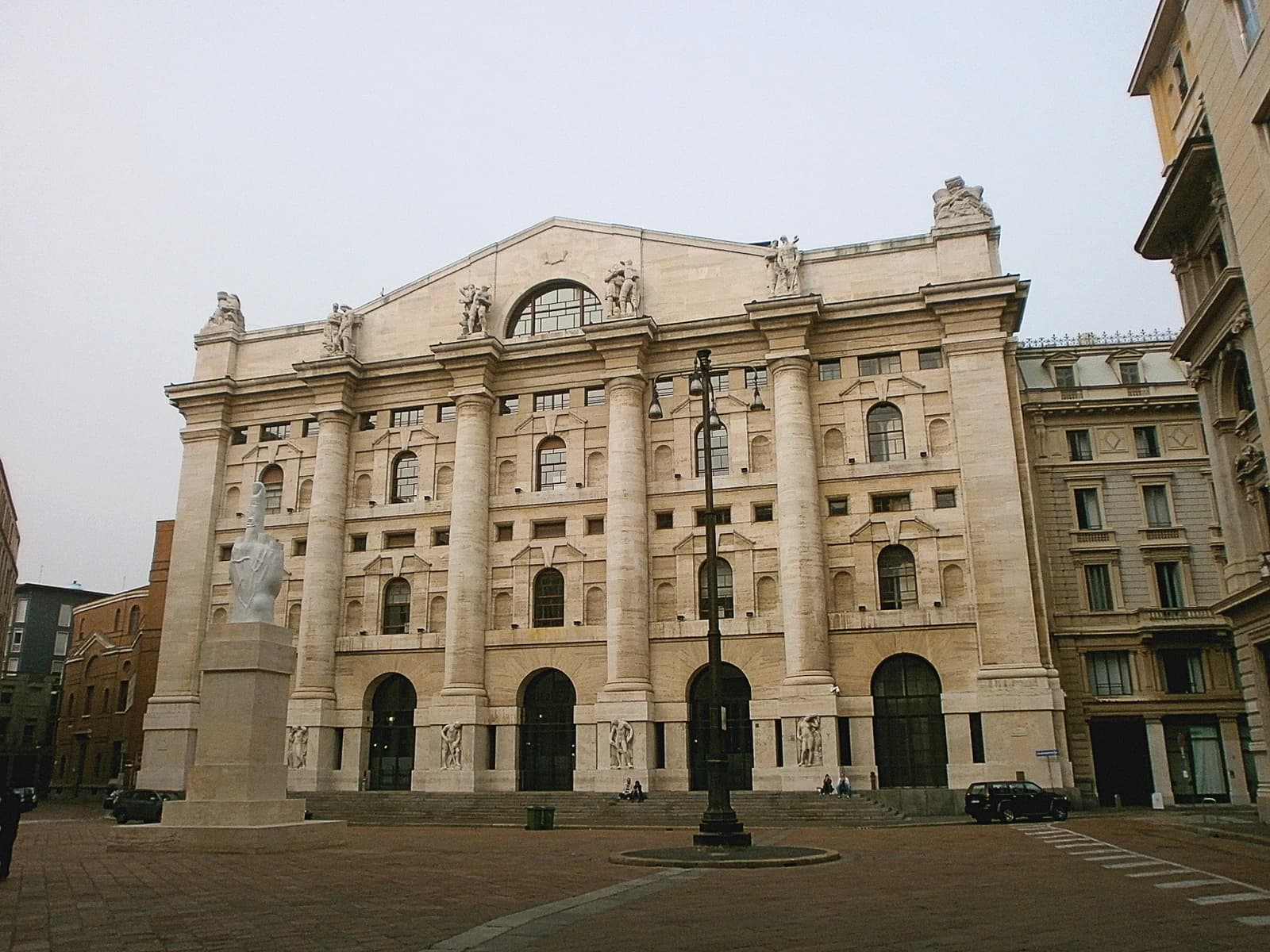
The Unicredit chief’s comments matter because Italian banks are central to financing the economy and to any wave of domestic consolidation, yet they are being asked to absorb more fiscal pain just as policymakers push them to help fund growth and state priorities. Orcel argued banks already pay about 40% of profits in tax versus roughly 30% for other sectors, and warned that repeatedly leaning on lenders to cover budget gaps damages the capital multiplier and squeezes margins.
Sentiment Indicators
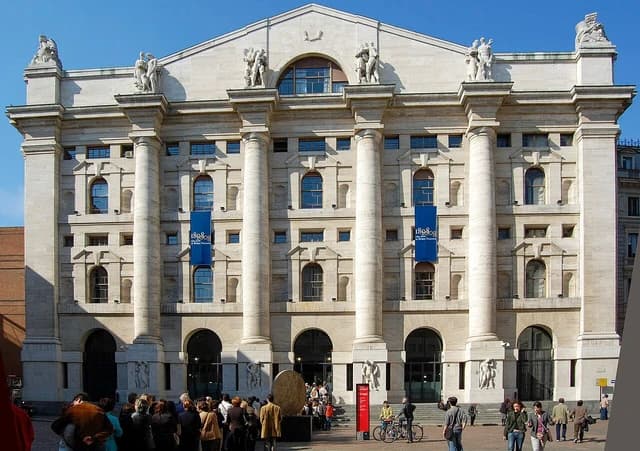
His remarks also feed directly into the broader battle over European banking competitiveness. Orcel said Italy’s political stability has restored credibility and helped narrow sovereign spreads, but he stressed that growth remains the real problem for investors, not market confidence alone.
On Banco Bpm, he framed the issue less as an Italy-France clash than as a competition issue. If an Italian bidder is constrained by golden power scrutiny while a foreign player benefits from a lighter path, he said, the outcome tilts before the contest even starts.
The theme echoes a wider call from the same forum for deeper European fiscal integration, with Paolo Gentiloni arguing that the EU needs a common treasury and common debt instruments to respond to geopolitical stress and rising defense needs. For investors, the message is clear: regulatory asymmetry, fiscal pressure and cross-border dealmaking remain key risks and catalysts for European banks, especially if Rome keeps asking lenders to do more of the heavy lifting.
| Entity | Gains | Losses |
|---|---|---|
| Credit Agricole | ▲Easier deal path | ▼Italian bidder disadvantage |
| Banco Bpm | ▲Takeover interest | ▼Policy uncertainty |
| Italian banks | ▲Stability narrative | ▼Higher tax burden |
| Investors | ▲Closer focus on rules | ▼Deal execution risk |