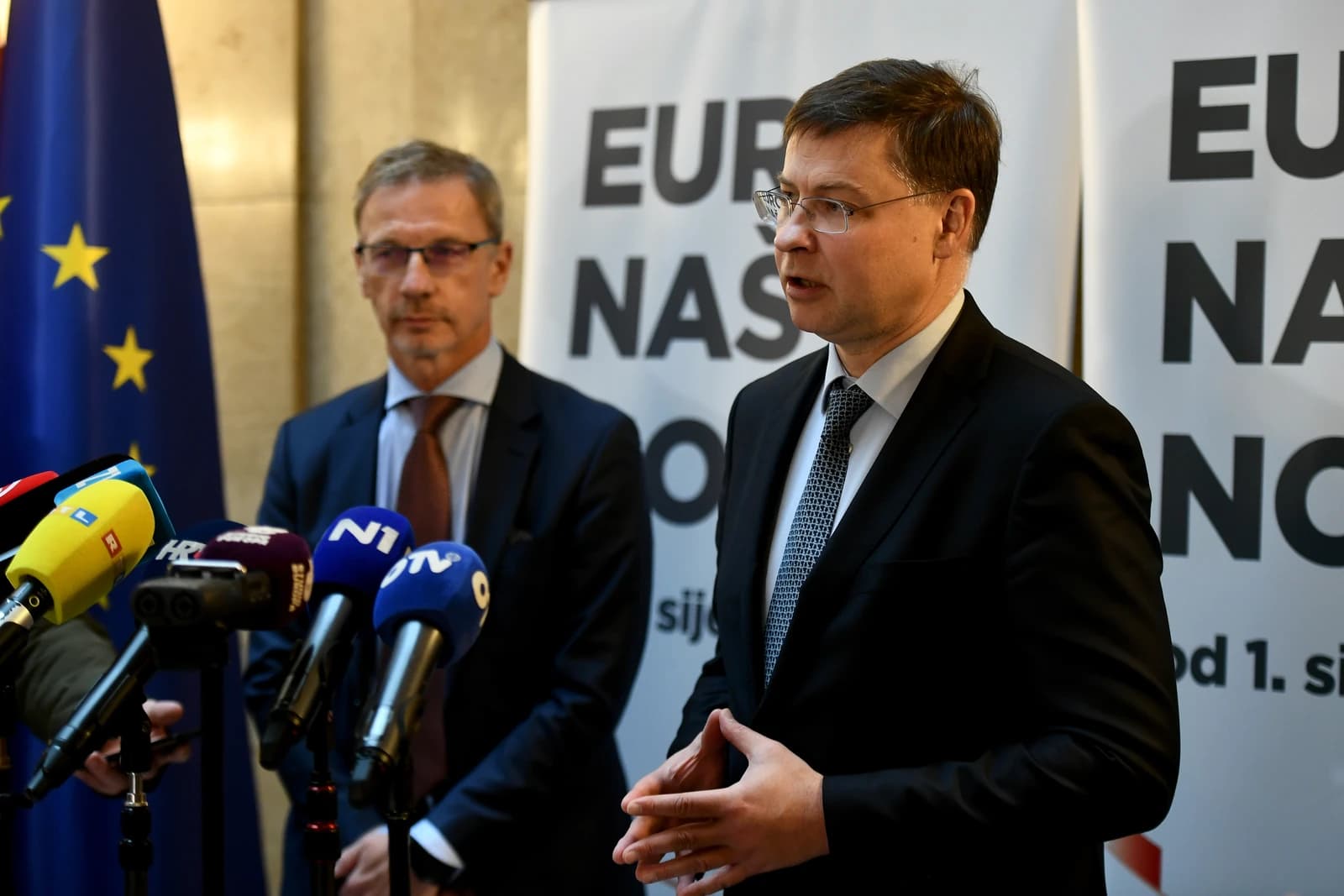
Croatia’s central bank has raised interest rates as inflation accelerated to 4.7% in September, underscoring how persistent price pressures are forcing policymakers to keep monetary conditions tight even as growth in the euro area begins to cool.
Croatia Central Bank Raises Rates as Inflation Hits 4.7%

The move matters because Croatia is still running hotter than the eurozone average, where inflation accelerated to 3.8% from 3.2%, and remains above the European Central Bank’s target. That leaves less room for an early policy pivot and increases the cost of borrowing for households, firms and the government. For investors, it means domestic assets are likely to face a longer period of restrictive rates, while the timing of any easing has become more uncertain.
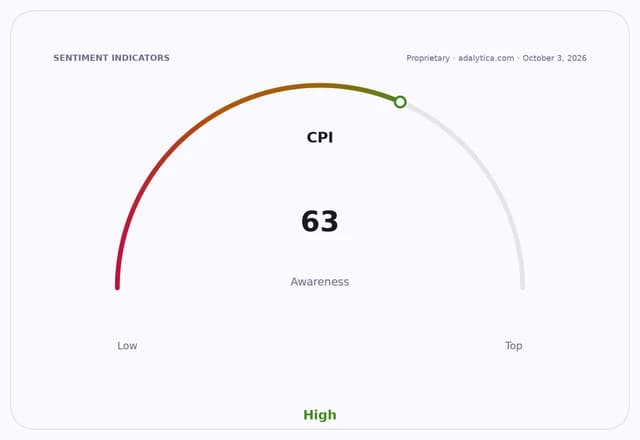
Sentiment IndicatorsⓘProprietary · adalytica.com · October 3, 2026
This is a snapshot — live sentiment, awareness and momentum for 130+ markets update continuously in the dashboard.Open AlphaPulse
The acceleration was driven mainly by energy, especially motor fuel, with energy prices rising 20.5% from a year earlier. Services remained another important source of inflation, climbing 7.6%, even if the pace slowed slightly. Food and industrial goods were broadly steady in their contribution, suggesting that the latest pick-up is still being driven more by external and administered cost pressures than by a broad reacceleration in underlying demand.
Inflation averaged 4.5% in the first nine months of the year, keeping the country well above the euro area benchmark. That gap matters for monetary policy because it complicates the case for loosening before price growth is clearly returning toward the ECB’s 2% goal. It also suggests Croatian policymakers must balance the risk of choking off domestic activity against the risk of allowing inflation expectations to stay elevated.
For markets, the immediate impact is on rate-sensitive sectors: mortgages, consumer credit and corporate financing costs all face a higher-for-longer backdrop. Banks may benefit from wider lending margins in the near term, but slower loan demand and weaker credit quality would be a downside if high rates persist. Consumers are likely to keep facing pressure on real incomes, particularly if fuel costs remain elevated.
The broader narrative is that Croatia is being pulled between a softer European growth backdrop and stubborn local inflation. Until energy effects fade and services inflation cools more decisively, the central bank has little room to signal relief. Investors should expect policy to remain cautious, with any easing likely to trail the eurozone cycle rather than lead it.
| Entity | Gains | Losses |
|---|---|---|
| Croatian banks | ▲Higher lending margins | ▼Slower credit demand |
| Borrowers | ▲Lower inflation would help later | ▼Higher mortgage costs now |
| Energy producers/suppliers | ▲Stronger fuel pricing | ▼Consumers facing squeeze |
| ECB/Croatian policymakers | ▲Credibility on inflation | ▼Less room to ease policy |