Croatians are sending a blunt economic warning: corruption and inflation are the country’s biggest anxieties, and more than half now expect life to be less secure over the next decade.
Croatia Survey Finds Corruption and Inflation Top Fears
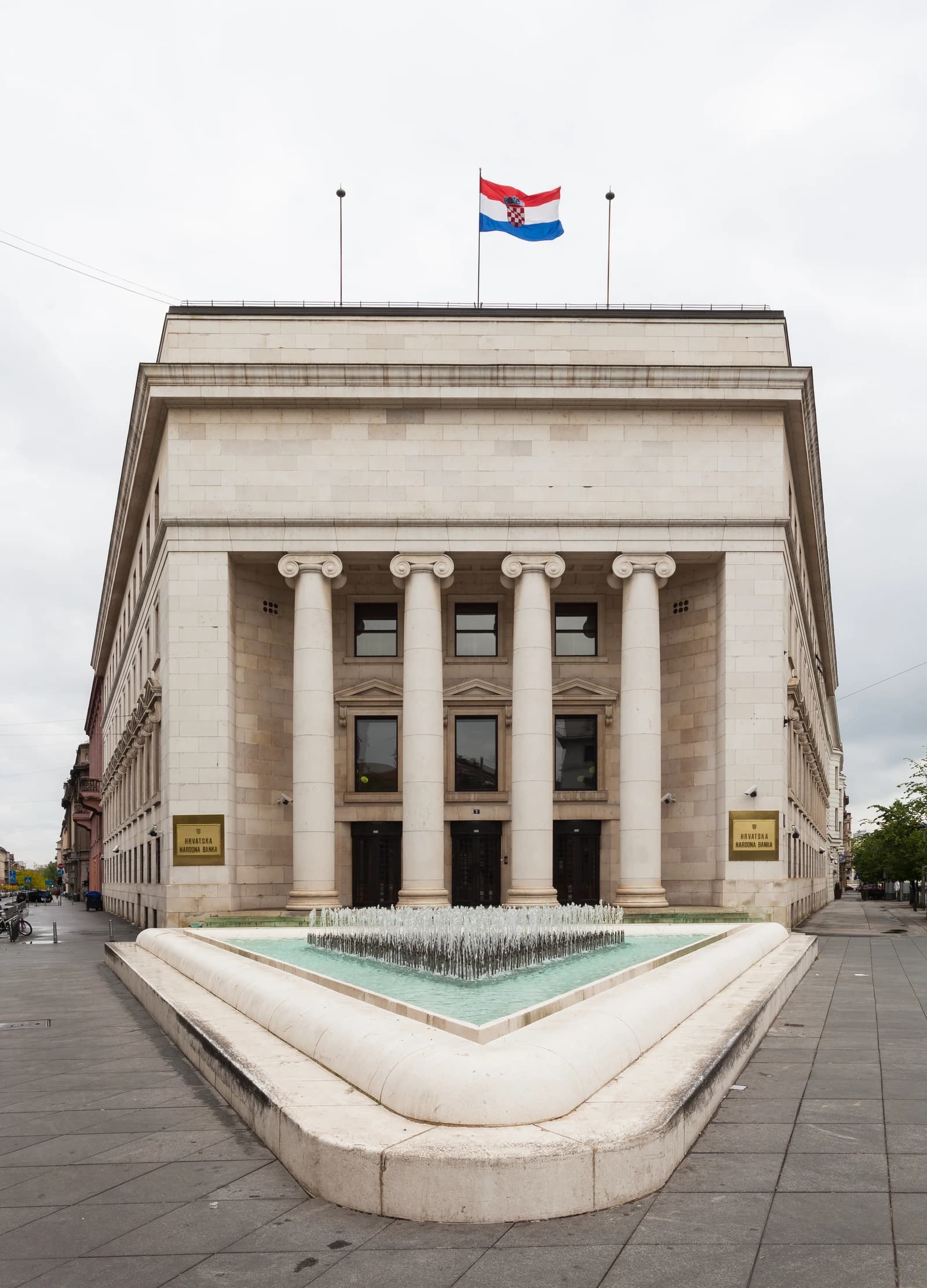
That matters because household confidence is a lead indicator for spending, saving and political tolerance. When 73.4% of respondents in the HRejting survey name corruption and the breakdown of the rule of law among the biggest threats, the message is not just about politics — it is about the cost of doing business, the quality of public services and the willingness of people to invest in their own future.
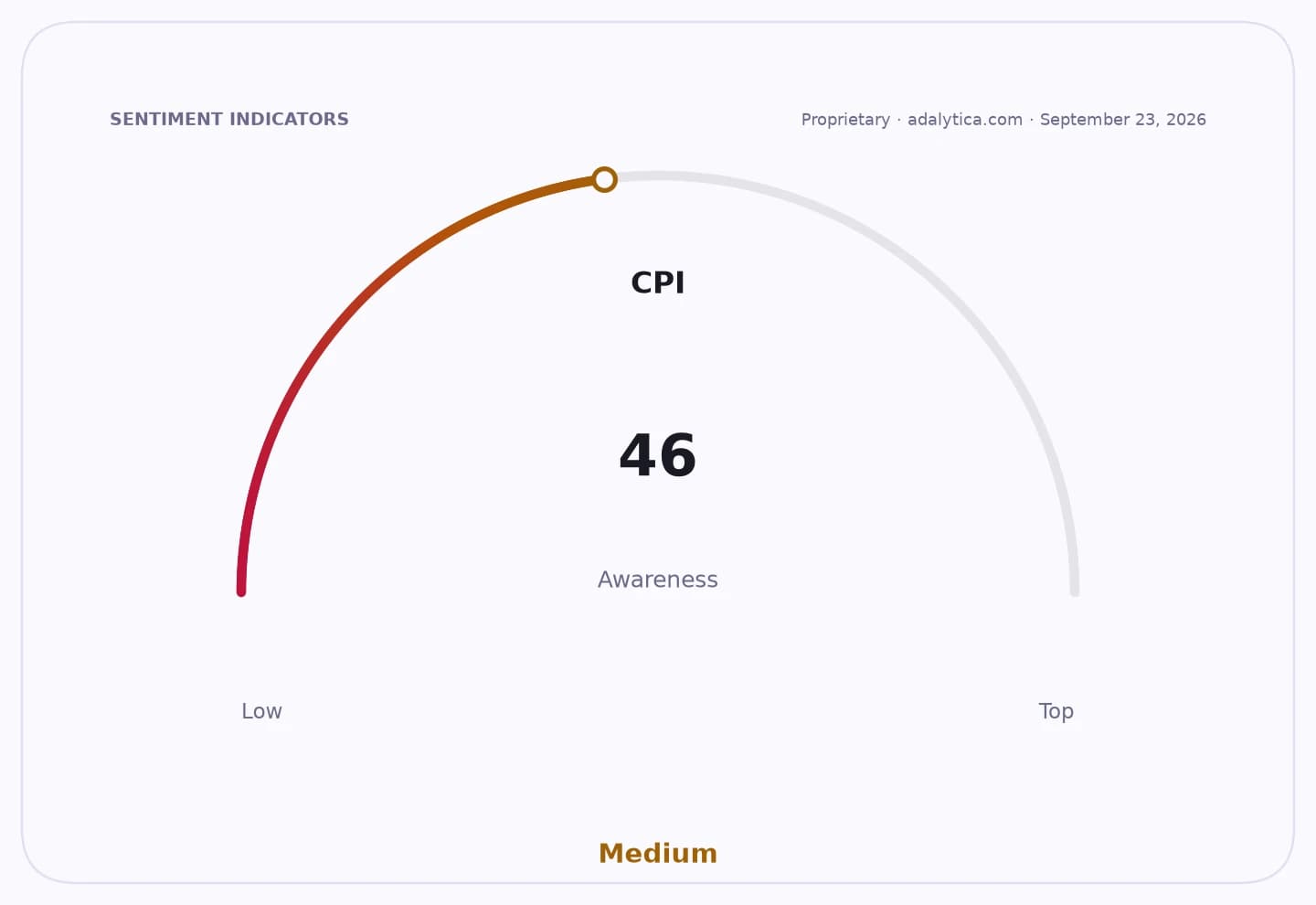
Sentiment IndicatorsⓘProprietary · adalytica.com · September 27, 2026
This is a snapshot — live sentiment, awareness and momentum for 130+ markets update continuously in the dashboard.Open AlphaPulse
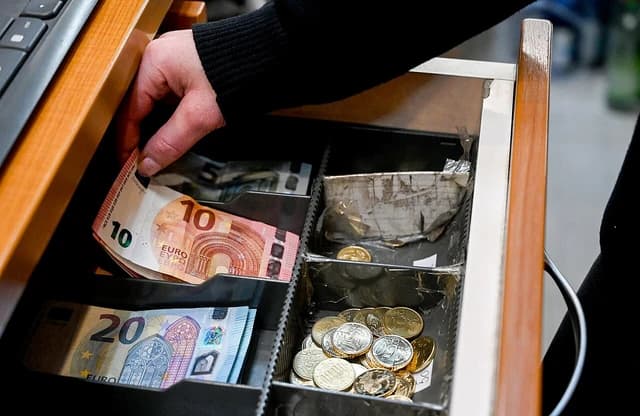
Inflation and the rising cost of living ranked just behind corruption in the September poll, underscoring how persistent price pressure is still shaping behavior. The survey, conducted by Promocija plus for HRT between Sept. 15 and Sept. 18 among 1,000 respondents, found 69% fear serious illness, nearly 64% fear poverty and 62% worry about declining public healthcare. Climate change and natural disasters were a concern for about 56%, while 53% cited political instability. War and military conflict in the region came last, named by 39%.
For investors, the striking part is not that inflation remains a concern in Croatia — it is that it is competing with a deep distrust of institutions. That combination tends to keep a lid on consumer confidence and raises the political pressure for visible, sometimes blunt, government intervention. Croatia has already leaned harder on price transparency, including dual pricing rules for restaurants and other businesses starting in October, a sign that policymakers know inflation is not just an economic issue but a public mood problem.
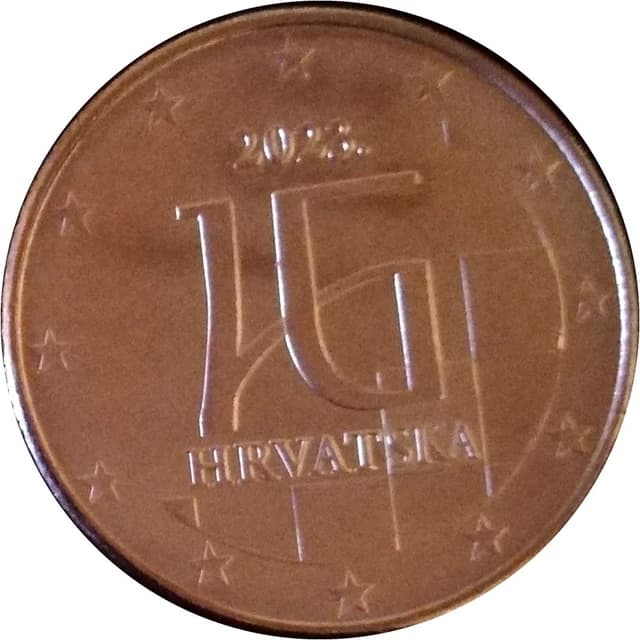
The longer-term implication is straightforward: a country where corruption is seen as a top threat and where 51.6% of people expect a less secure future is one where reform credibility matters as much as nominal growth. That can support demand for anti-corruption enforcement, better public administration and tighter oversight of pricing, but it also raises the risk of policy friction for businesses, especially in tourism and consumer-facing sectors.
For investors looking at Croatia, the takeaway is not to trade on headlines, but to watch whether institutions start to earn back trust. If inflation eases and governance improves, sentiment can recover quickly. If not, the economy may keep growing, but with a persistent discount from weak confidence. That makes Croatia a market worth watching, and for long-term investors, it also makes resilience and rule of law the real story.
| Entity | Gains | Losses |
|---|---|---|
| Croatian consumers | ▲More price transparency | ▼Higher living costs |
| Government reformers | ▲Public support for tougher oversight | ▼Credibility if results lag |
| Restaurants and small businesses | ▲None clearly | ▼More compliance burdens |
| Long-term investors | ▲Potential reform upside | ▼Governance and demand risk |