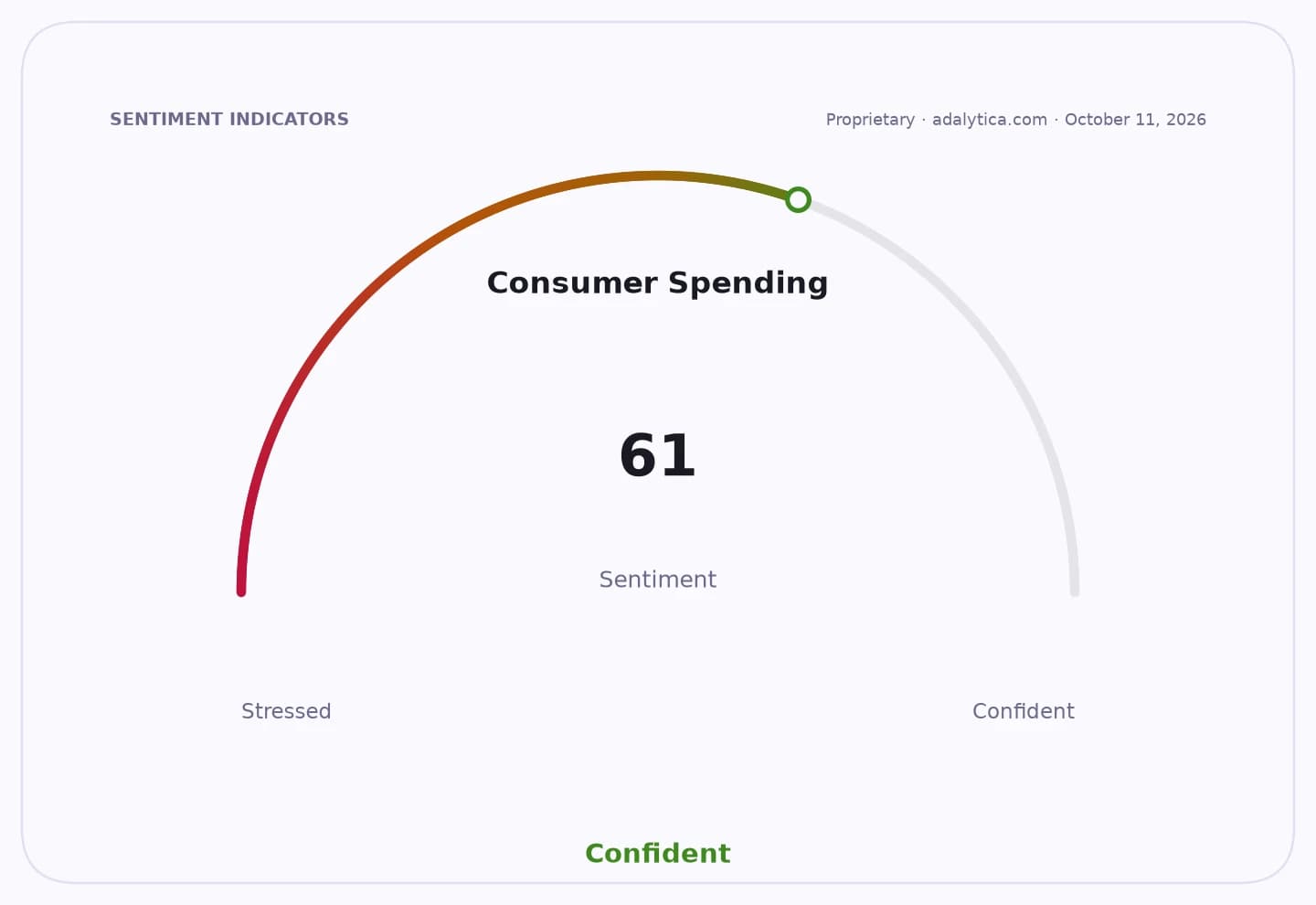
Italy’s government is widening the fiscal tap again, and that matters because every extra euro spent now has to be financed in a country already burdened by high debt and sluggish growth. Prime Minister Giorgia Meloni, speaking in Croatia ahead of the Med9 summit, put inflation and a letter to European Commission President Ursula von der Leyen back at the center of Italy’s political debate, underscoring how expensive living costs remain a live issue for both households and the state.
Italy fiscal spending, inflation and bond market pressure
For investors, the key question is not whether Rome wants to cushion families from inflation — it clearly does — but how much more spending Italy can absorb before the bond market pushes back. Italy’s 10-year yield was around 5.3% in recent trading, a reminder that financing conditions are still demanding even as inflation pressures ease from their peaks. That makes fiscal promises more consequential than usual: the more the state spends to offset higher prices, the more sensitive markets become to the credibility of Italy’s budget path.
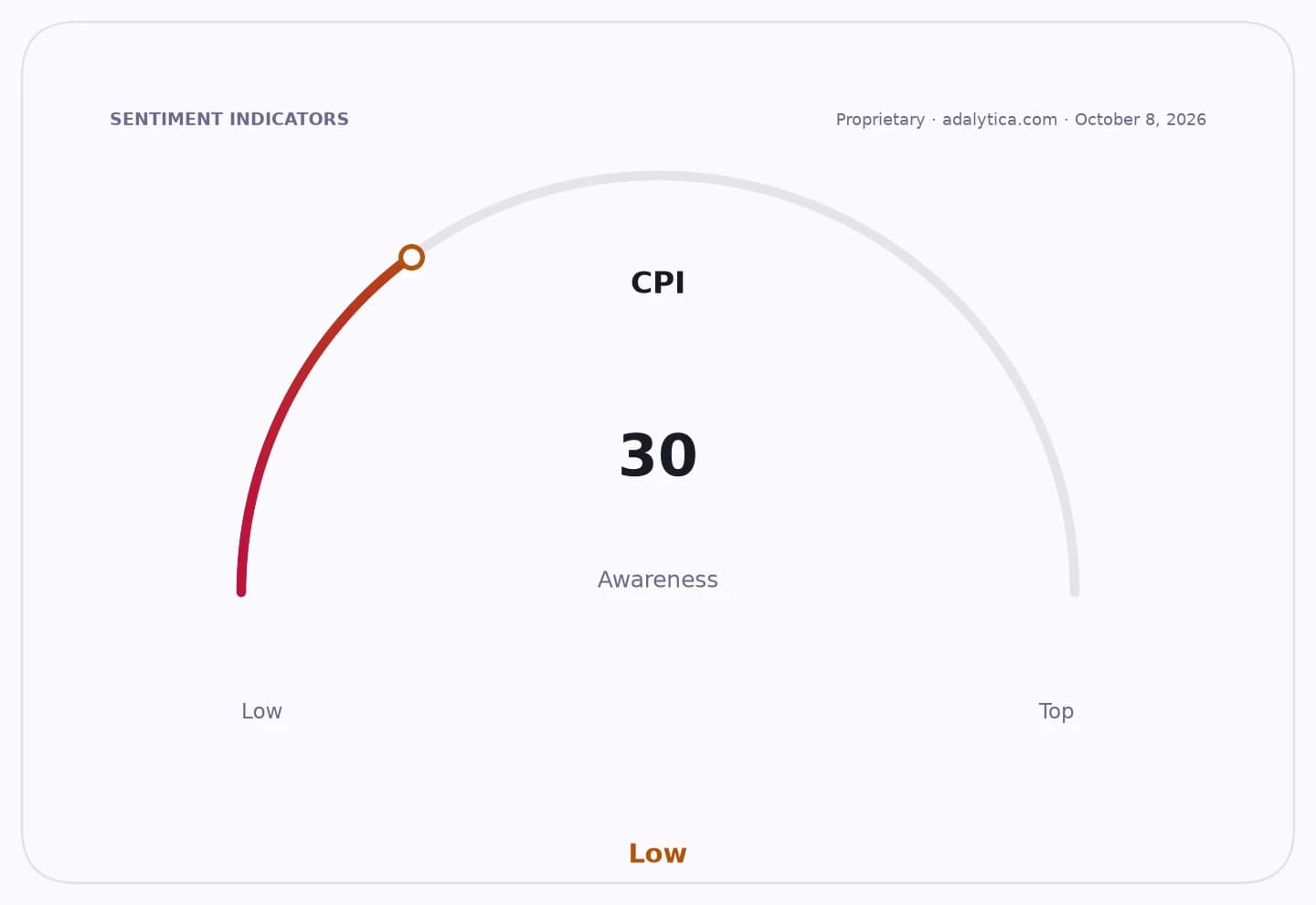
Sentiment IndicatorsⓘProprietary · adalytica.com · October 8, 2026
This is a snapshot — live sentiment, awareness and momentum for 130+ markets update continuously in the dashboard.Open AlphaPulse
The broader backdrop helps explain the tension. U.S. consumer prices, a useful global benchmark, remain far above pre-pandemic norms, and confidence that major central banks are fully back on track to their 2% targets has become a market issue in its own right. But in Italy, the practical effect is more immediate: inflation still squeezes real incomes, political pressure for relief stays high, and every new measure risks colliding with the European Union’s fiscal rules and investor scrutiny of sovereign debt.
That is why Meloni’s comments matter beyond domestic politics. Italy is trying to thread a difficult needle — support purchasing power without reigniting concerns about deficits, borrowing costs and growth. If the government leans too heavily on spending, it could keep pressure on Italian bonds and limit room for businesses and consumers alike. If it does too little, household demand stays weak and the economy remains stuck in low gear.
For long-term investors, the story is less about one speech than about the familiar Italian trade-off: inflation relief versus fiscal discipline. That trade-off tends to reward caution in sovereign debt and cyclical exposure, while favoring companies with pricing power, strong balance sheets and limited dependence on Italian policy support. Italy remains a market worth watching, but patience and diversification still matter more than chasing the headline.
| Entity | Gains | Losses |
|---|---|---|
| Italian households | ▲Short-term relief | ▼Higher taxes later |
| Meloni government | ▲Political support | ▼Budget flexibility |
| Italian bondholders | ▲— | ▼Higher fiscal risk |
| Companies with pricing power | ▲Better margin protection | ▼Consumer-demand squeeze |