Montenegro’s push to join the European Union by 2028 gained another political endorsement on Wednesday, with Polish President Karol Nawrocki saying Warsaw “definitely” supports the Balkan state’s ambitions and is ready to share its own EU accession experience.
Montenegro EU Accession Gains Polish Support

That matters because EU enlargement is no longer just diplomacy — it is a capital-flows story, a reform story and a regional stability story rolled into one. The closer Montenegro gets to membership, the more investors can start pricing in lower political risk, stronger institutional convergence and a bigger pipeline of EU-backed infrastructure, banking and tourism spending across the Western Balkans.
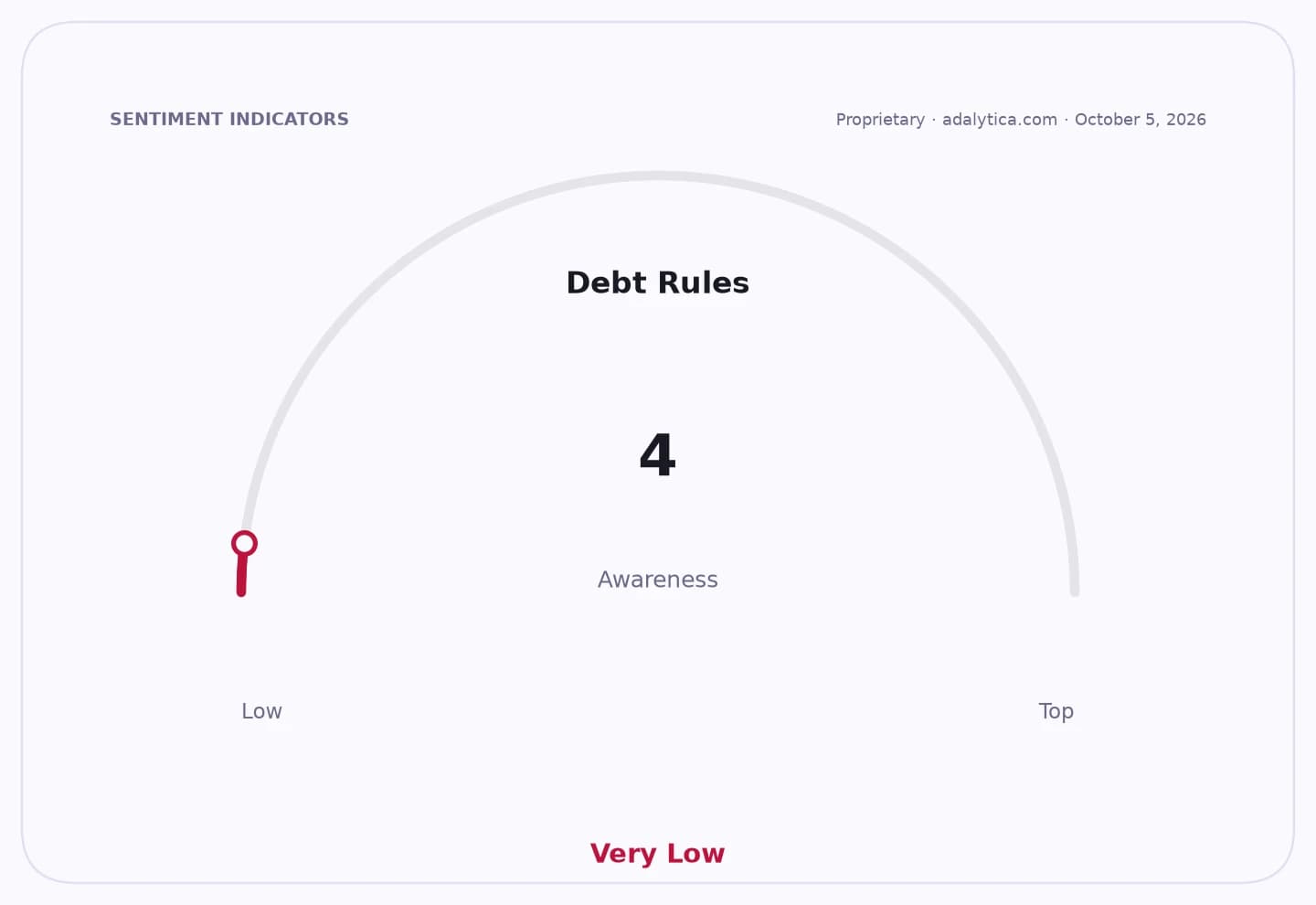
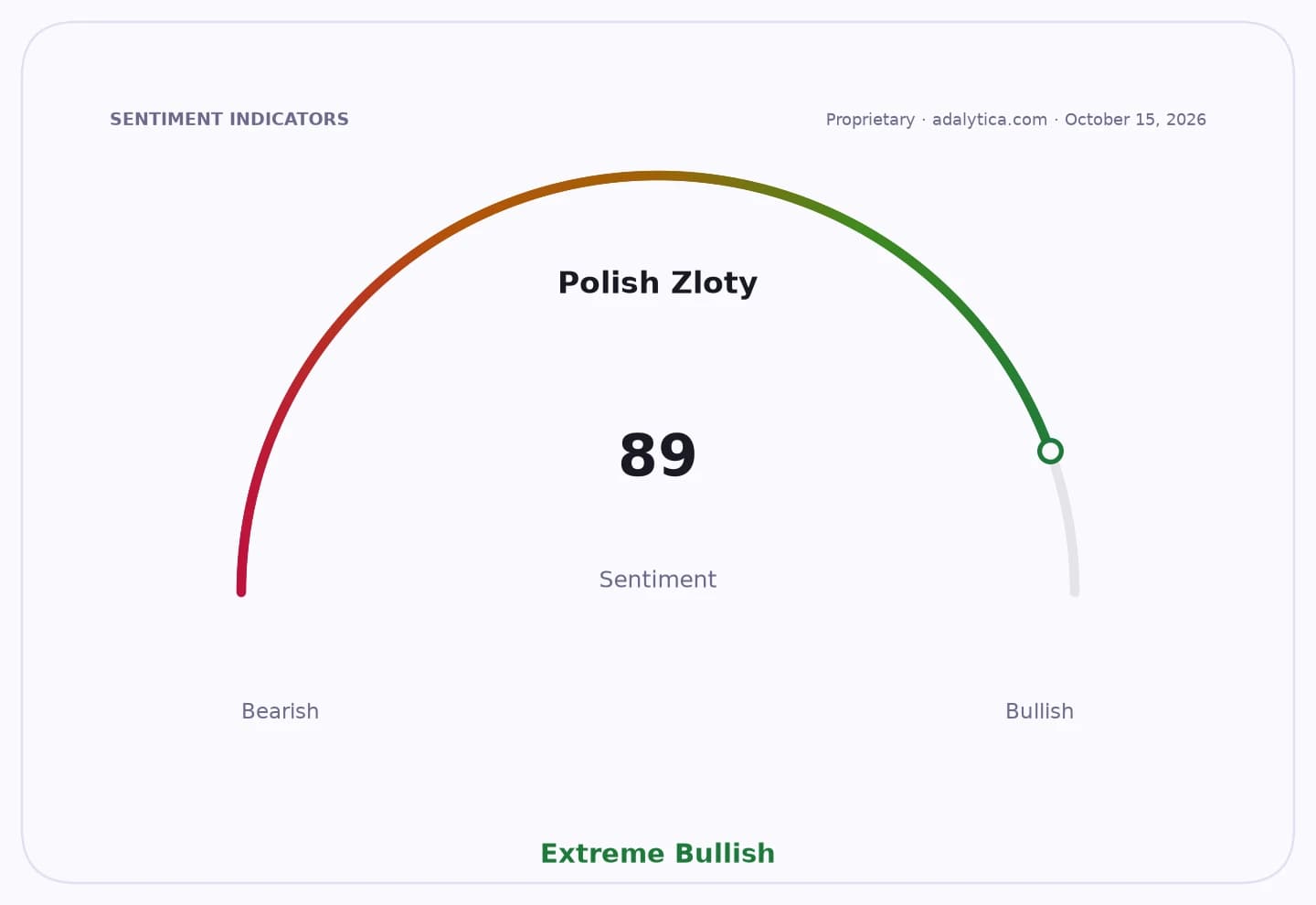
Sentiment IndicatorsⓘProprietary · adalytica.com · October 15, 2026
This is a snapshot — live sentiment, awareness and momentum for 130+ markets update continuously in the dashboard.Open AlphaPulse
Nawrocki told reporters after meeting Montenegro’s President Jakov Milatović in Warsaw that a 2028 entry is an “ambitious, but achievable” goal if Podgorica keeps up its reform pace. Montenegro has opened all 33 negotiation chapters with Brussels and has already provisionally closed 18, making it the frontrunner among current candidates.
That is the key investment narrative: the market is underestimating how accession progress can re-rate a small economy long before the flag goes up at EU headquarters. For a country like Montenegro, EU membership would likely deepen access to capital, reinforce rule-of-law credibility and improve the long-term outlook for sectors tied to foreign direct investment, real estate, transport and banking.
Milatović framed the process in explicitly economic terms, saying Polish experience shows EU membership can change living standards “for generations.” He also pointed to Poland’s willingness to share lessons on using European funds, a reminder that the real prize is not just political belonging but the machinery of convergence — grants, procurement, standards and investment discipline.
For investors, the most relevant read-through is regional. If Montenegro remains the leading candidate, it strengthens the case for selective exposure to Western Balkans assets that benefit from EU approximation, especially companies and funds tied to tourism, infrastructure and cross-border services. It also keeps the enlargement theme alive at a time when Brussels is looking for a concrete success story after years of slow progress.
The exchange in Warsaw also fits a broader European backdrop: the EU has been pushing ahead with accession talks in neighboring Moldova, underscoring that enlargement is returning as a strategic policy tool. That should support assets exposed to the region’s reformers, while leaving laggards and politically fragile states at a disadvantage.
For now, Montenegro is still years away from membership, but the direction of travel is clear. As long as Podgorica keeps delivering reforms and major EU capitals keep signaling support, the accession premium should continue to build — and the best opportunities are likely to appear well before 2028.
| Entity | Gains | Losses |
|---|---|---|
| Montenegro | ▲Accession premium, EU funds access | ▼Delay risk if reforms slow |
| Poland | ▲Regional influence, enlargement credibility | ▼Minimal near-term downside |
| Western Balkans reformers | ▲Stronger investor confidence | ▼Laggard candidates |
| EWP / CEE-style regional exposure | ▲Potential re-rating on EU convergence | ▼Risk-off buyers waiting for certainty |