Cuba’s state oil company is warning households not to buy liquefied petroleum gas from a website posing as an official distributor, a sign that the island’s fuel shortages are now creating room for scams that can hit cash-strapped families already struggling with power cuts and cooking fuel rationing.
Cuba CUPET warns of fake LPG website
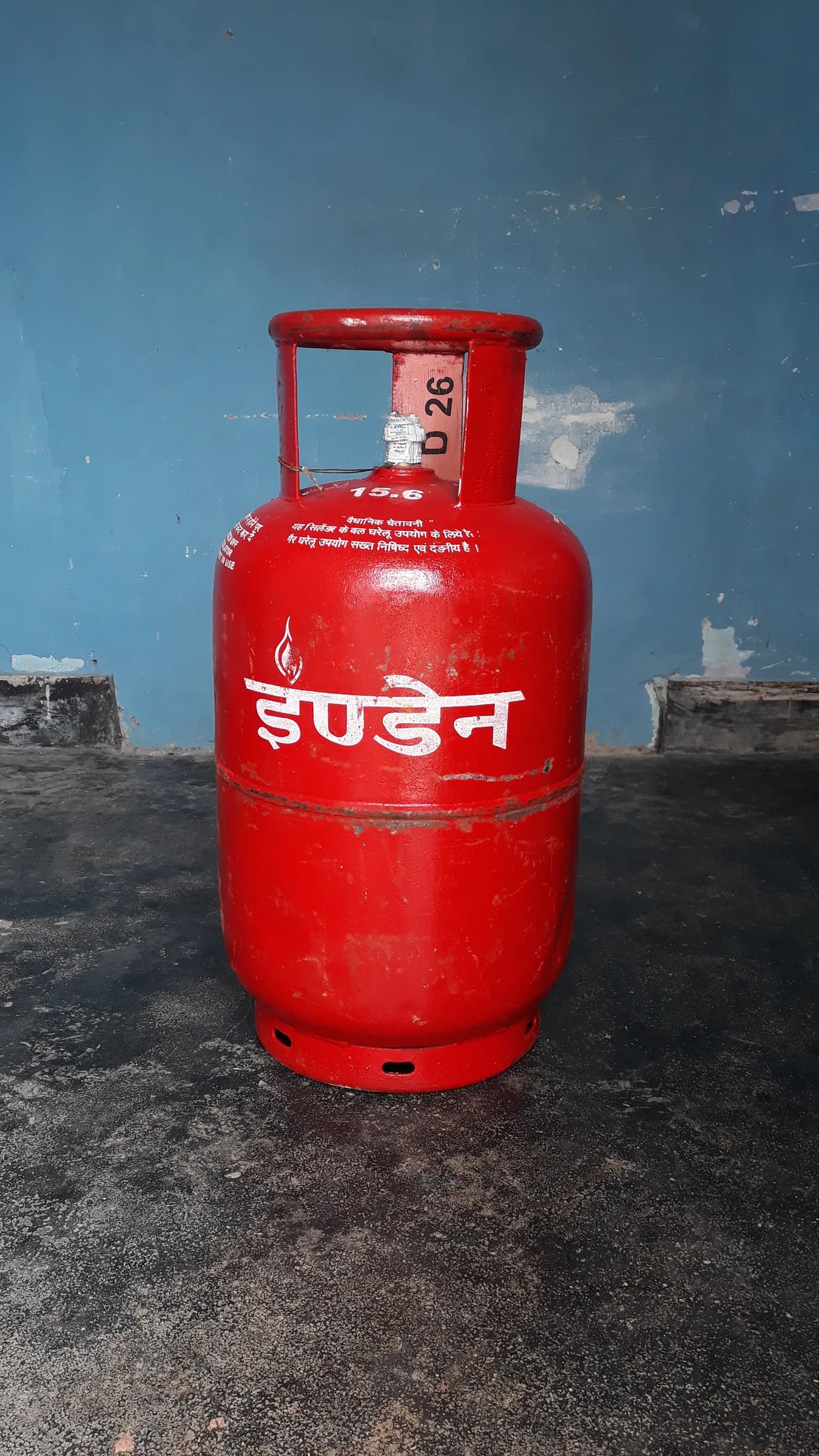
The alert from CUPET matters because LPG is not a discretionary purchase in Cuba. For many households, it is the main way to cook when electricity is unavailable, and prolonged blackouts have made that dependence more acute. In that environment, any offer that promises home delivery across the island can look credible enough to trigger payments before buyers can verify whether a seller is genuine.
Sentiment IndicatorsⓘProprietary · adalytica.com · October 12, 2026
This is a snapshot — live sentiment, awareness and momentum for 130+ markets update continuously in the dashboard.Open AlphaPulse
CUPET said the site, identified as GasCuba and operating through empresadegascuba.lovable.app, has no official backing from the company despite using CUPET’s name and logo and phrases such as “authorized distributor” and “100% official support.” The state firm urged customers to avoid online purchases from dubious sources and to rely only on verified institutional channels.
The warning points to a broader problem in Cuba’s energy market: scarcity is not only constraining supply, it is distorting behavior. When households face long waits, interrupted distribution and unreliable electricity, the value of any promised delivery rises sharply. That makes consumers more vulnerable to fraudulent sellers and raises the reputational risks for the state, which remains the dominant supplier even when it cannot meet demand consistently.
CUPET did not say whether anyone had already been defrauded through the site, but the fact that the company felt compelled to issue a public alert suggests the potential for financial losses is real. In markets where formal supply is erratic, unofficial channels often expand first, and then fraud follows.
The episode also underlines the pressure on Cuban households, where energy insecurity is forcing people to improvise around basic necessities. Gas shortages, electricity rationing and limited purchasing alternatives are combining to make cooking fuel one of the island’s most sensitive consumer issues. That leaves families with a difficult trade-off: wait for official supply or risk paying an unknown seller.
For investors and market watchers, the story is less about direct pricing impact than about what it reveals on the ground. Persistent fuel scarcity can deepen social strain, complicate logistics and increase the burden on state distributors. It also shows how quickly demand for reliable energy can migrate to informal digital channels when official supply chains are strained.
The immediate test is whether CUPET can restore enough confidence in its distribution system to reduce the appeal of fraudulent offers. Until then, shortages are likely to keep creating openings for bad actors, while households continue to pay the highest price for an energy system under stress.
| Entity | Gains | Losses |
|---|---|---|
| CUPET | ▲Public caution | ▼Trust risk |
| Cuban households | ▲Scam awareness | ▼Higher fraud exposure |
| Fake gas site operators | ▲None | ▼Shutdown risk |
| Official LPG supply chain | ▲Verification push | ▼Demand pressure |