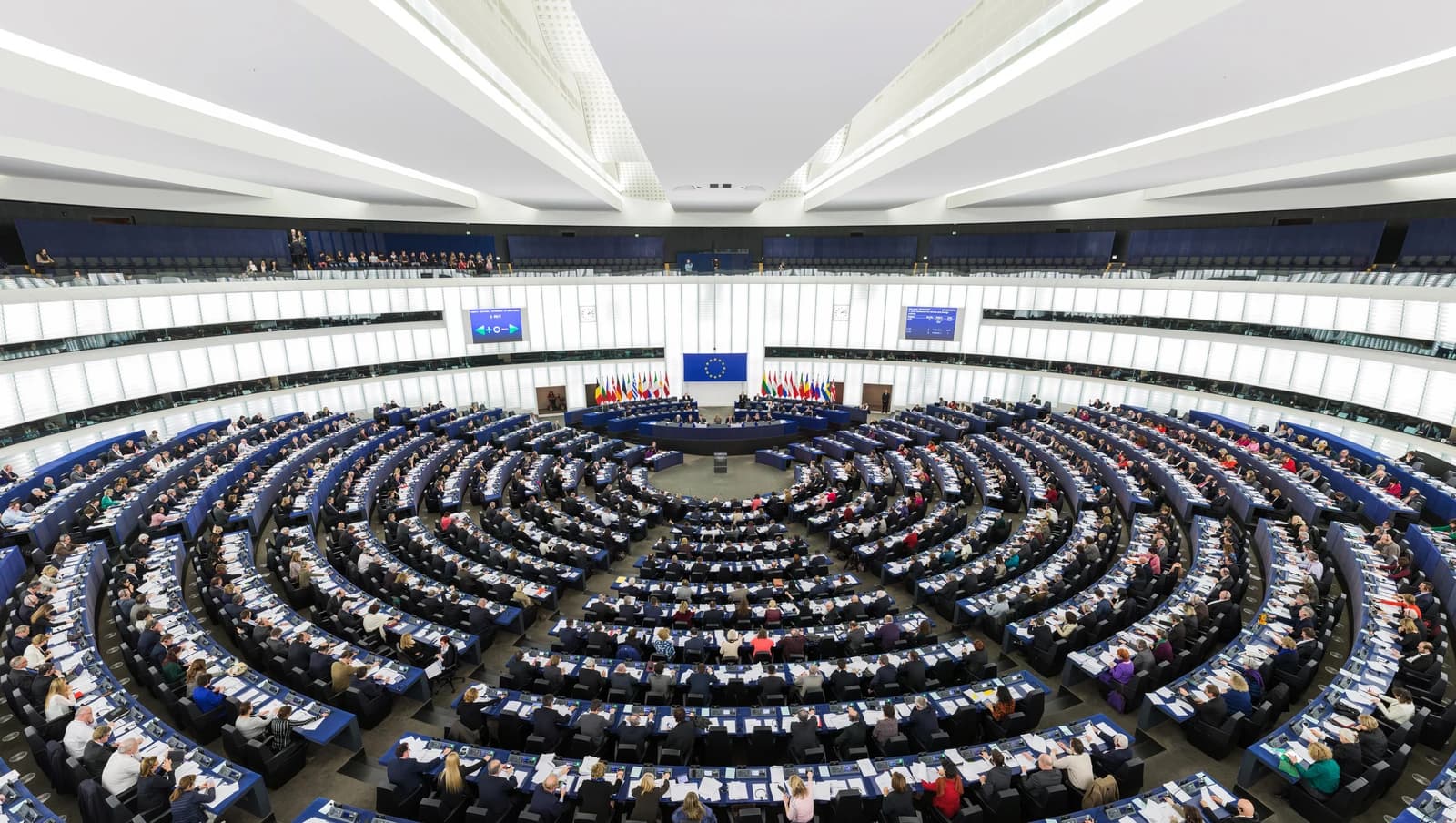
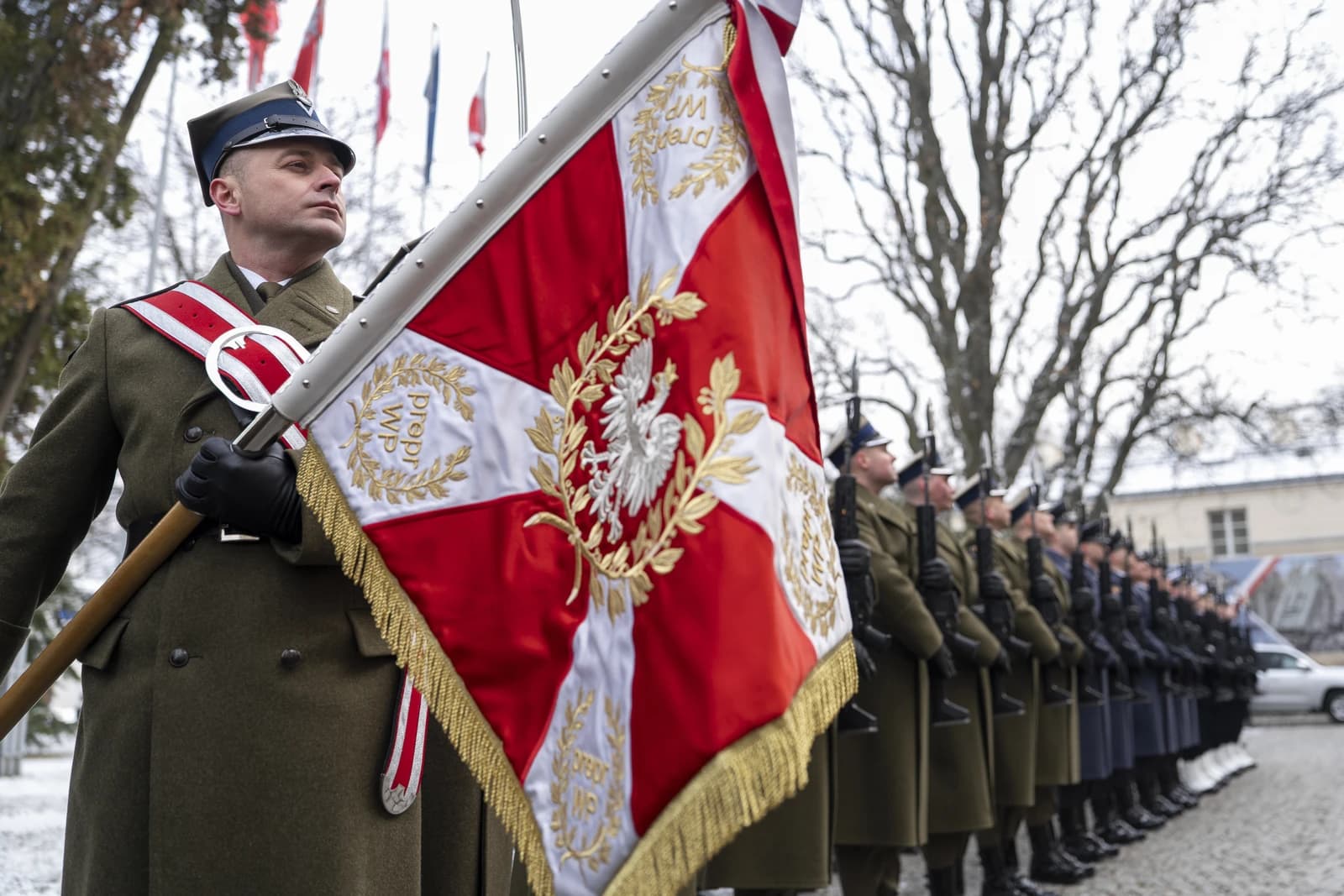
The Czech Republic’s defense plan is facing criticism because it leans on a headline spending target without convincing allies that Prague can turn higher budgets into faster NATO readiness.
Czech Republic defense plan faces NATO readiness criticism
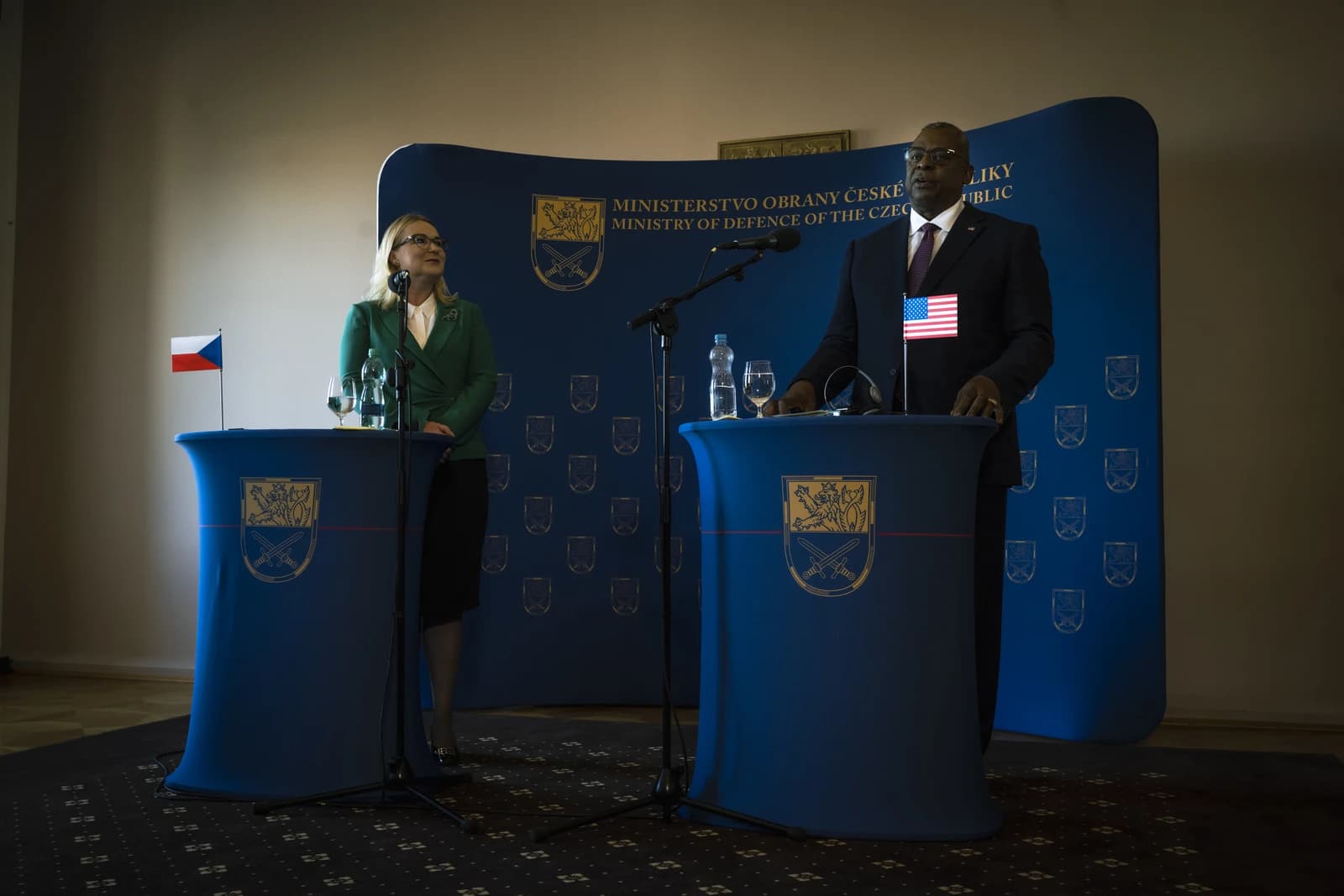
That matters because Europe’s defense buildout is shifting from promises to execution. With the war in Ukraine still driving rearmament, NATO governments are under pressure not just to spend more, but to convert outlays into deployable forces, air defenses, ammunition stocks and logistics. A budget pledge that fails the readiness test risks weakening alliance credibility at a time when Washington is already pressing allies to shoulder more of the burden.
Sentiment Indicators

The criticism of Prague’s strategy underscores a broader split across Europe: some governments can point to rising defense budgets, but many still face bottlenecks in procurement, training and industrial capacity. Britain’s pledge to lift military spending to 3% of GDP and wider European calls for more defense investment show the political momentum is there. The question for investors and policymakers is whether that money reaches contractors quickly enough to matter.
That distinction is important for defense contractors that stand to benefit from a sustained European spending cycle. Lockheed Martin, Northrop Grumman and RTX have all been trading with elevated volatility as markets price in a longer runway for missile defense, air defense and replenishment orders. RTX’s recent price action and its 10-Q disclosures on Patriot-related production gains highlight how contract timing and delivery pace can move results, while Northrop’s backlog shows demand is already being translated into future revenue. But the Czech debate is a reminder that political intent does not always equal immediate procurement.
For NATO, the issue goes beyond one member state. Readiness is the measure that matters in a crisis, and allies increasingly want to know whether higher spending is producing usable capability or just larger budgets. If more countries follow Prague’s example of emphasizing targets over implementation, it could complicate burden-sharing talks and delay the flow of contracts that Western defense names are counting on.
For investors, the main takeaway is that the European defense trade still depends on execution. Countries that can accelerate procurement and fill capability gaps should support near-term orders for missile systems, munitions and integrated air defense. Those that cannot may end up with political credit for spending, but less economic impact for suppliers.
| Entity | Gains | Losses |
|---|---|---|
| NATO defense contractors | ▲Larger prospective order pipeline | ▼Delays from procurement bottlenecks |
| Czech government | ▲Political cover from spending target | ▼Credibility on readiness |
| NATO allies | ▲Higher pressure to invest | ▼Friction over burden-sharing |
| European defense stocks | ▲Support from rearmament cycle | ▼Risk from slow contract conversion |