Rheinmetall shares come under pressure after Berenberg slashed its price target by 580 euros and cut the stock to Hold, while fresh multibillion-dollar U.S. missile-defense contracts highlight where defense spending is flowing.
Rheinmetall shares fall after Berenberg cuts target
The German defense group’s share price fell as much as 1.1% to 924.70 euros in Frankfurt, a move that leaves the stock well below Berenberg’s new 1,020-euro target and far under its prior 1,600-euro valuation. The bank said Rheinmetall’s medium-term growth outlook is clouded by uncertainty and that it will need substantially more orders to keep expanding beyond 2030.
Sentiment IndicatorsⓘProprietary · adalytica.com · October 11, 2026
This is a snapshot — live sentiment, awareness and momentum for 130+ markets update continuously in the dashboard.Open AlphaPulse
That matters because Rheinmetall has been one of Europe’s clearest defense winners since Russia’s invasion of Ukraine, with investors betting on a long cycle of rearmament and higher procurement budgets. A sharper reset in valuation from a major broker suggests the market may be moving from pure order-growth enthusiasm toward a harder look at how much incremental business can still be won, especially as some of the biggest missile-defense contracts are going to U.S. peers.
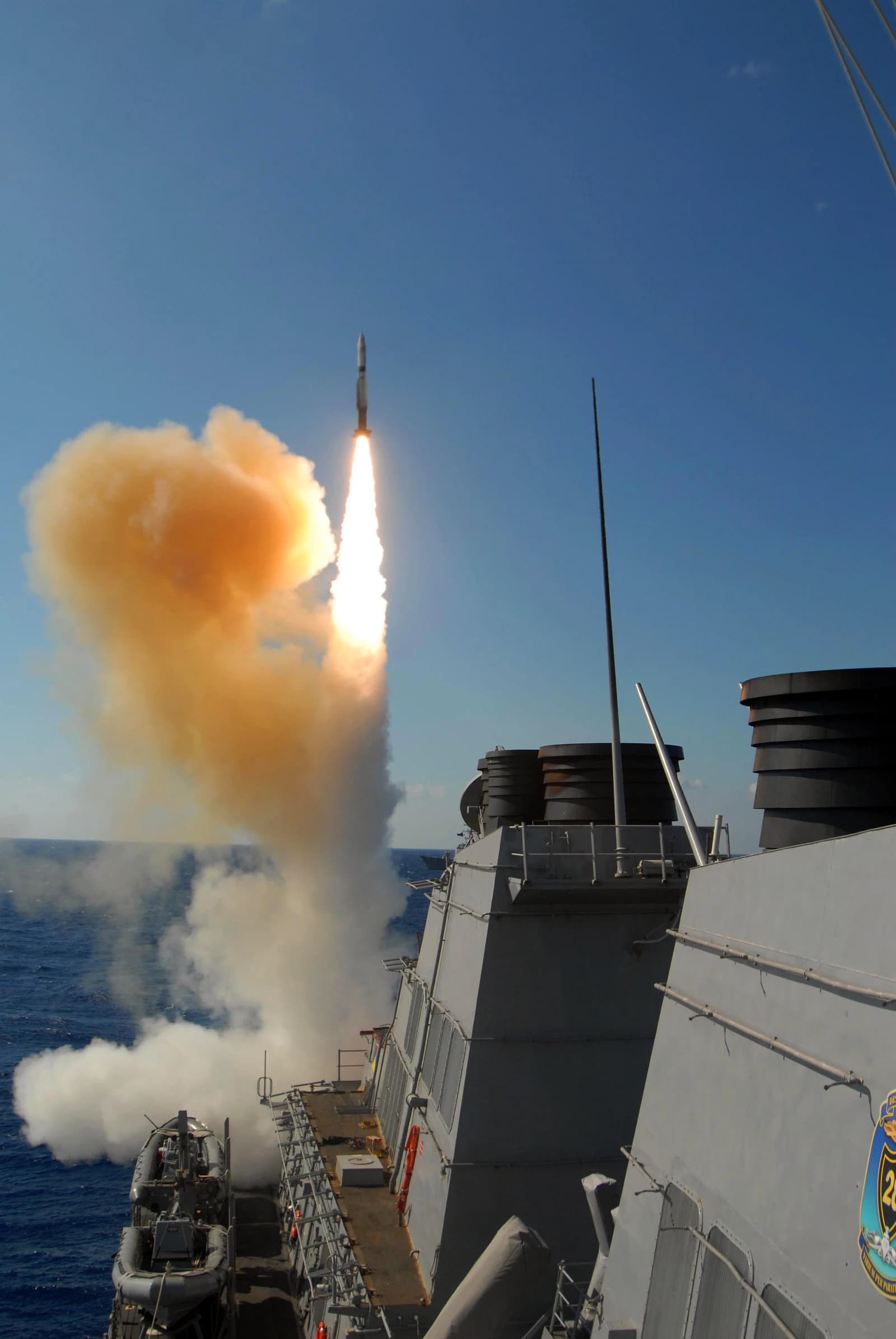
The timing also underscores a split in defense demand. Raytheon, a unit of RTX, said it won a contract worth up to $6.3 billion to produce and maintain Standard Missile-3 Block IB interceptors, after previously securing up to $24.4 billion for SM-6 interceptors. Lockheed Martin also landed a $58.6 billion Patriot missile contract in July, reinforcing the scale of U.S. Pentagon spending on air and missile defense.
For investors, the message is twofold: the sector remains backed by massive state budgets, but the order flow is not evenly distributed. U.S. contractors continue to capture the largest replenishment programs, while European names such as Rheinmetall face tougher comparisons and questions about how much of the rearmament cycle is already priced in.
Technical readings also point to weakening momentum in Rheinmetall’s stock. The shares are trading below both the 50-day moving average and the 200-day moving average, while the relative strength index has slipped toward oversold territory, reflecting sustained selling pressure after a sharp run-up earlier in the year.
The next catalyst is whether Rheinmetall can counter the downgrade narrative with new contract wins or guidance that reaffirms longer-term growth beyond the current European rearmament wave.
| Entity | Gains | Losses |
|---|---|---|
| RTX / Raytheon | ▲Billions in missile orders | ▼Fewer doubts on U.S. demand |
| Lockheed Martin | ▲$58.6B Patriot contract | ▼Competitors in missile defense |
| Rheinmetall | ▲Sector demand backdrop | ▼Lower valuation and weaker sentiment |
| European defense peers | ▲Higher attention to rearmament spending | ▼Scrutiny over order growth beyond 2030 |