Low pay in the Czech Republic is becoming more than a labor issue — it is a political risk that could shape the next round of policy, wages and corporate costs, with former premier Andrej Babiš back at the center of the debate.
Czech wages rise as labor politics heats up
Josef Středula, head of the Czech-Moravian Confederation of Trade Unions, warned that workers living “week to week” are the most vulnerable to populist politics, arguing that economic insecurity can push lower-income voters toward fringe parties and destabilize the political mainstream. That matters because the wage debate is no longer abstract: the minimum wage is set to rise to 24,900 koruna next year from 22,400 koruna now, and pressure for faster gains is likely to intensify as households continue to feel squeezed by basic living costs.
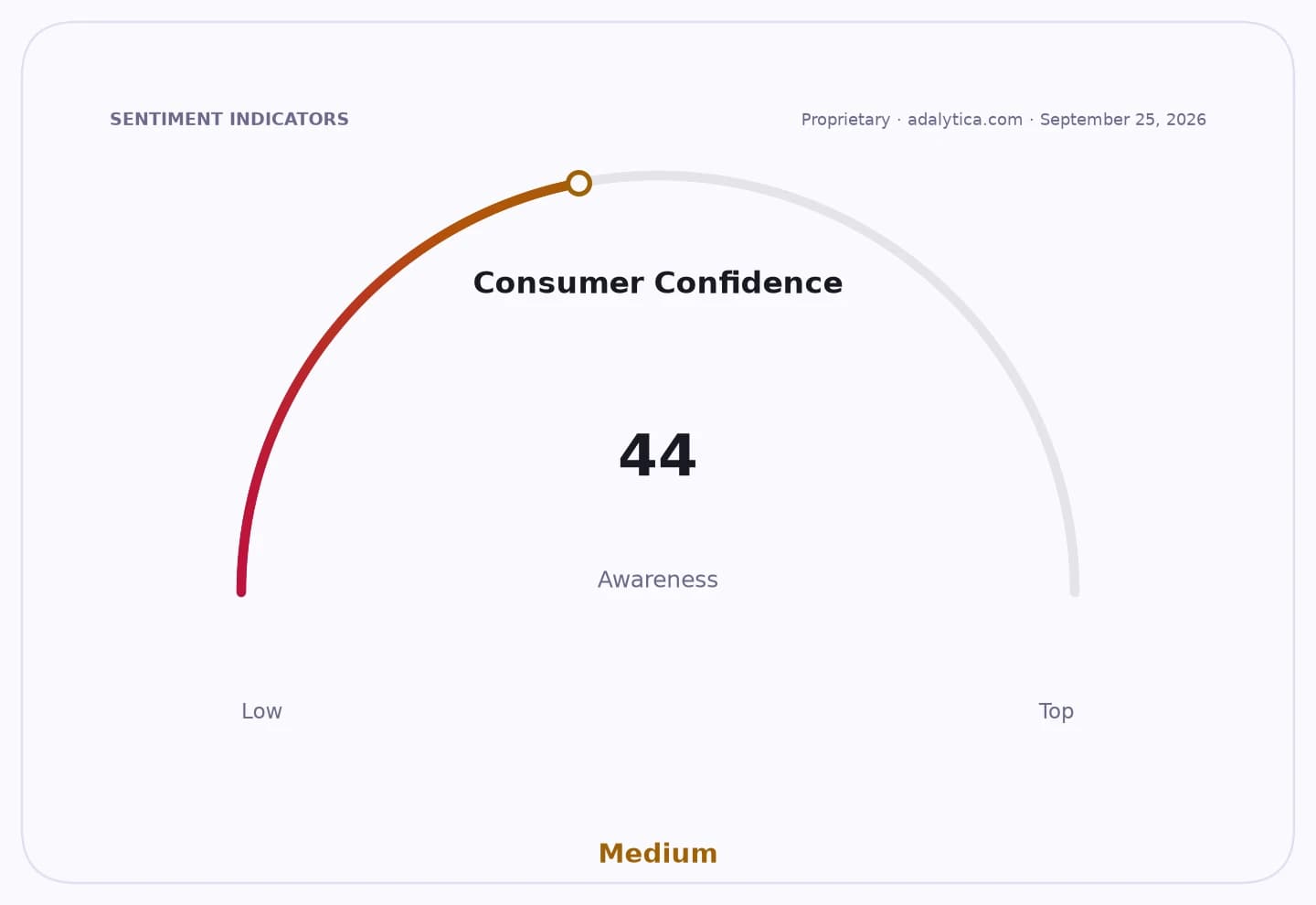
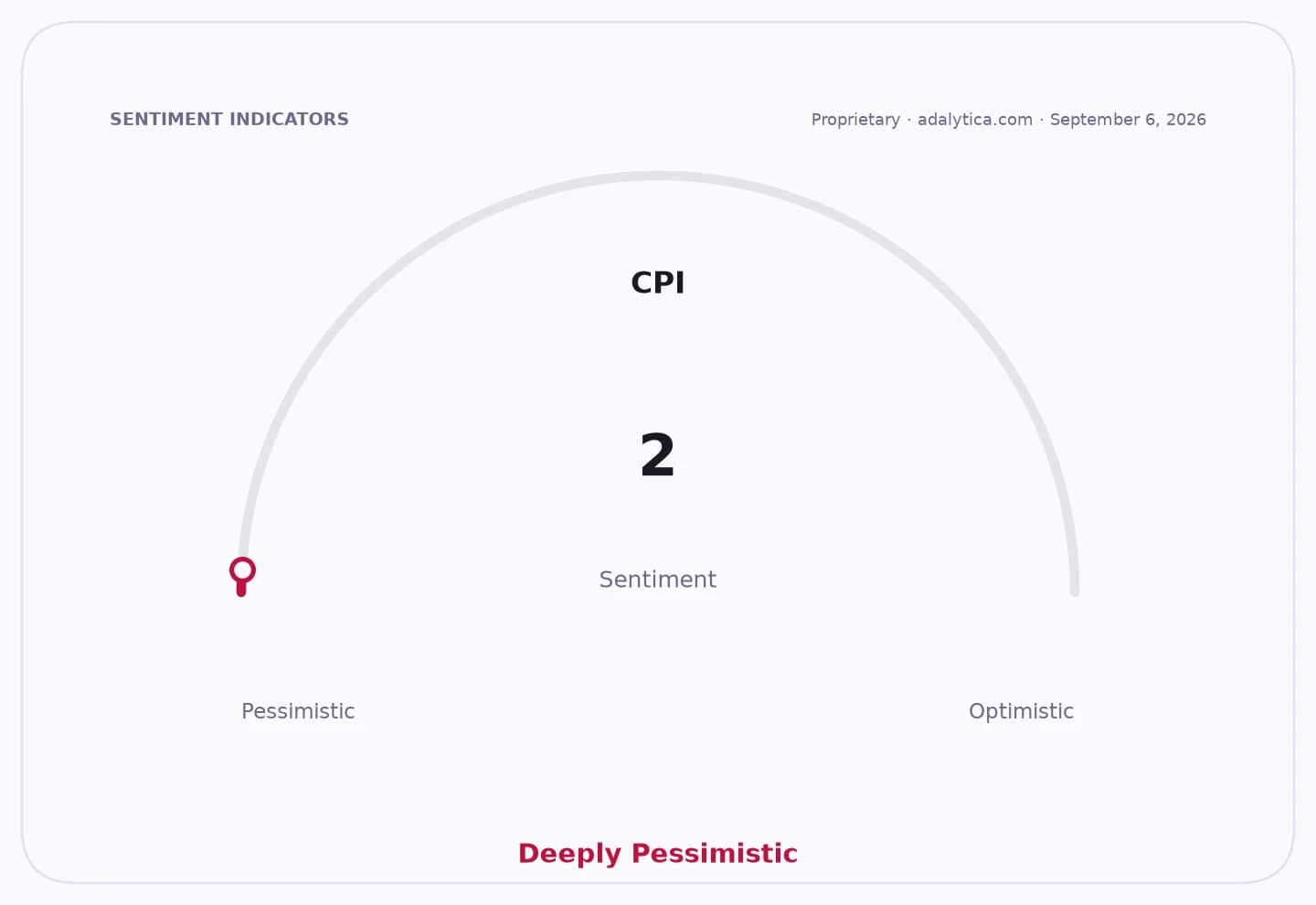
Sentiment IndicatorsⓘProprietary · adalytica.com · September 6, 2026
This is a snapshot — live sentiment, awareness and momentum for 130+ markets update continuously in the dashboard.Open AlphaPulse
For investors, the message is straightforward: labor is becoming a political asset again. When wages lag, governments face pressure to intervene, whether through higher minimum pay, stronger bargaining rules or tax-and-transfer measures. That can erode margins in labor-intensive sectors while benefiting firms with pricing power, automation exposure or cleaner cost structures. It also raises the odds of policy swings that markets typically dislike, particularly in a country where coalition politics can change quickly.
Středula’s comments also revived the old Babiš question. He pointed to Agrofert-linked employers such as Vodňanská drůbež, saying prosperous companies should not be content with paying only the legal minimum. The critique matters because Babiš is again a dominant political figure, and any perception that business interests and wage policy are intertwined can become a flashpoint in Prague. Even if Středula stopped short of alleging direct conflict, the market does not need a formal accusation to price in more aggressive labor policy if populist pressure builds.
The broader narrative is not just Czech. Across Europe, stagnant wages and cost-of-living anxiety have repeatedly fed anti-establishment parties, from France to Germany and beyond. Středula’s warning fits that pattern: when workers feel they are falling behind, politics moves toward redistribution, regulation and confrontation with business.
For investors, the setup favors selectivity. Look for beneficiaries of rising household income and domestic consumption, but avoid companies that rely on cheap labor as their core advantage. In Czech equities and broader Central Europe, the winners are likely to be firms with scale, productivity gains and the ability to pass on higher costs. The losers are the labor-intensive operators that depend on wage suppression to protect returns.
| Entity | Gains | Losses |
|---|---|---|
| Workers on minimum wage | ▲Higher pay pressure | ▼Wage stagnation |
| Populist parties | ▲More discontent-driven support | ▼Centrist incumbents |
| Babiš/ANO | ▲Political opening | ▼Reform-minded rivals |
| Labor-heavy employers | ▲None | ▼Higher payroll costs |