Krasnodar concrete maker D-Beton has joined Russia’s federal labor productivity project, a move that could help the young company raise output and margins at a time when businesses are under pressure to do more with less.
D-Beton joins Russia labor productivity project
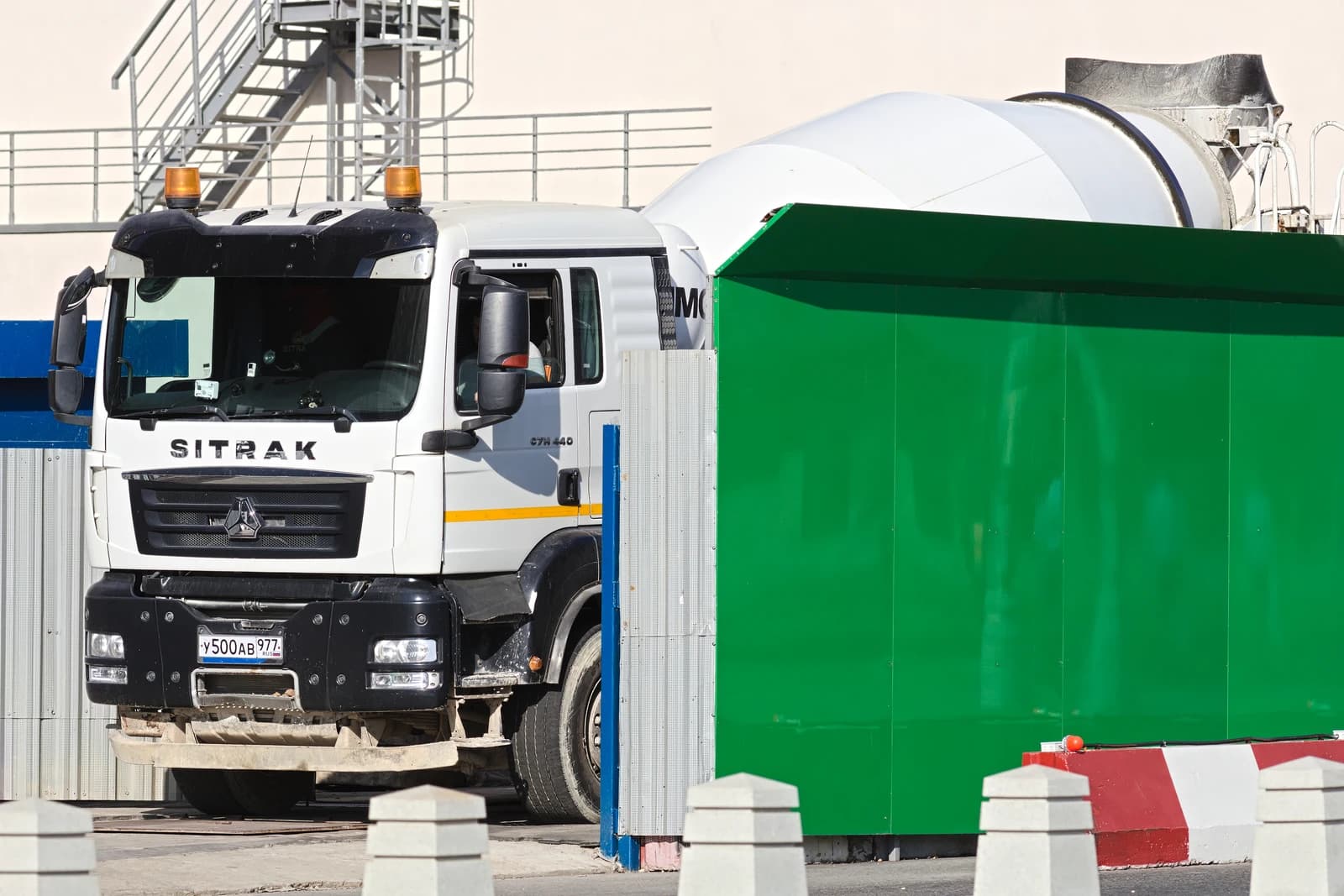
The development matters beyond one small manufacturer because the program is designed to lift efficiency in sectors such as construction, manufacturing and transport, where labor shortages and cost inflation have made productivity a central competitive variable. For D-Beton, access to regional competence-center experts and management training could improve workflow, reduce waste and support faster scaling in a business that has already shown unusual early traction: founded only in June 2024, it posted strong revenue in 2025 and ended the year in profit.
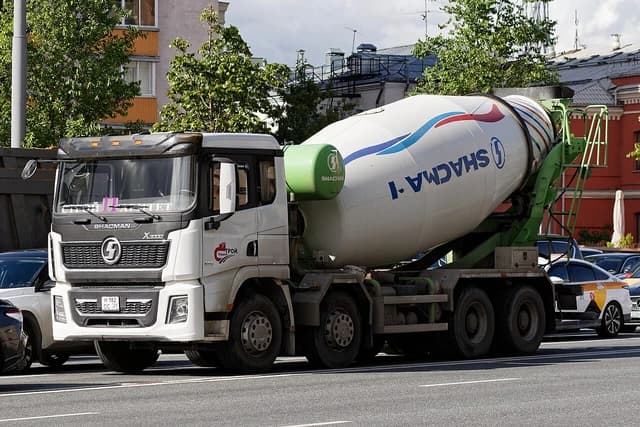
That makes the company an early test case for how federal productivity policy is filtering down to newer industrial firms outside Russia’s largest corporate groups. D-Beton produces ready-mix concrete, dry mixes and gypsum, concrete and cement products — all energy- and logistics-intensive lines where small process gains can quickly affect unit economics. It also holds a subsoil-use license for groundwater needed in production, underscoring that reliable industrial inputs remain part of the operating challenge.
For investors and lenders, the significance is practical rather than symbolic. If the program helps D-Beton raise throughput without a proportional increase in payroll or overhead, that could support stronger cash generation and lower operating leverage risk as the company expands. The downside case is that training and advisory support may not be enough to offset structural constraints in construction materials, including regional demand cyclicality, raw-material costs and competition from larger producers with scale advantages.
The broader backdrop in Krasnodar is a policy push to squeeze more output from the workforce rather than rely on hiring alone. Regional officials say 96 organizations in Krasnodar are already taking part in the federal project, and the authorities argue that higher productivity has helped close demand for 86,000 workers in the region. That framing reflects a wider economic reality: with labor tight, productivity growth has become one of the few reliable ways to expand production without worsening wage pressure.
For D-Beton, the key question now is whether expert support translates into measurable gains in output per employee and plant utilization over the coming quarters. For the region, the larger signal is that even newer private companies are being pulled into the productivity agenda as Russia tries to offset labor scarcity and keep industrial growth moving.
| Entity | Gains | Losses |
|---|---|---|
| D-Beton | ▲Higher output efficiency | ▼Extra implementation burden |
| Krasnodar region | ▲More productive firms | ▼Less reliance on new hiring |
| Regional competitors | ▲Shared best practices | ▼First-mover advantage for D-Beton |
| Workers | ▲Training and skills | ▼Pressure for leaner operations |